Main department
Fine Arts
“When I dare to be powerful—to use my strength in the service of my vision, then it becomes less and less important whether I am afraid.”
— Audre Lorde (a self-described “black, lesbian, mother, warrior, poet”)
The Fine Arts Department offers a truly diverse, inclusive, and imaginative context for emerging artists. We believe that artistic development requires space for the grace of discussion, doubt, anarchism, conflict, and the freedom to play and fail. As a permanent department at Sandberg Instituut, Fine Arts is fully committed to strong visual presentations of artistic experimentation and research. We offer dedicated time, space, and social structures for each artist to develop their own practice in relation to their peers, the field of art and world at large, and enable them to express intentional and informed positions within society.
We emphasise building new and other ways of knowing and learning, and new bodies of knowledge that cultivate increased sensitivity to the historical origins and ongoing legacies of existing knowledges. In doing so, we foster greater critical awareness of European discourses and their appropriative tendencies. The department seeks and nurtures new perspectives and practices, welcoming diverse voices, bodies, and minds. Respect, reciprocity, care, and social integrity are values we promote.
About
Through an active consideration of new educational modalities, the department continues to ask itself how art can best engage with the urgent social questions of our time. The Fine Arts Department offers informal conversations with established artists and curators, encounters with unexpected cultural icons, research trips, workshops, lectures, group visits to exhibitions, and exchanges with a range of arts organisations and initiatives in the Netherlands and abroad. Together with the team, each new group of students helps build their own ideal department, one in which they can grow as independent artists, both through the development of their own work and through their relationships within the Sandberg community and beyond.
Prospective students will be evaluated on their portfolio, previous experiences and motivation to question their existing practice. Perhaps most crucially, students need to be able to work and think independently, and not be afraid to critically reflect on their own work. An extreme curiosity is essential, as well as a willingness to enter into deep conversation with tutors and peers. The admissions committee will focus on the positionality, artistry, research and autonomous visual quality of the work presented.
Course
The core of the programme consists of research, exploration and sustained conversation with the main tutors, who meet with each student individually on a regular basis during the two-year period of study and convene in group critiques at the closing of each semester. Alongside these regular dialogues, many workshops, seminars, guest lectures, studio visits and excursions take place, facilitating the students’ exploration of Dutch and international art scenes. Each of the fabrication workshops and facilities shared with the Gerrit Rietveld Academie — including glass, ceramics, textile, weaving, jewellery, wood, metal, photography, CAD/CAM, bookbinding, letterpress and offset, screen printing, as well as audiovisual media, editing and digital cinematography — also offer introductory instruction and ongoing assistance with new materials and methods.
First-year students write an essay in preparation for the thesis writing that occurs during year two, with support from dedicated writing tutors. Both the essays and the theses are presented to the department during the spring semester. Departmental experimentation in public presentations is organised by students, accompanied by a guest or tutor with whom they may explore relationships between art production and curatorship. During the second year, informal ‘speed dates’ with galleries and other presentation platforms are also organised on the students’ behalf to provide insight into different models and formats for public engagement. At the end of each year, the department conducts a collective evaluation to gather new ideas for the programme and feedback for improvement.
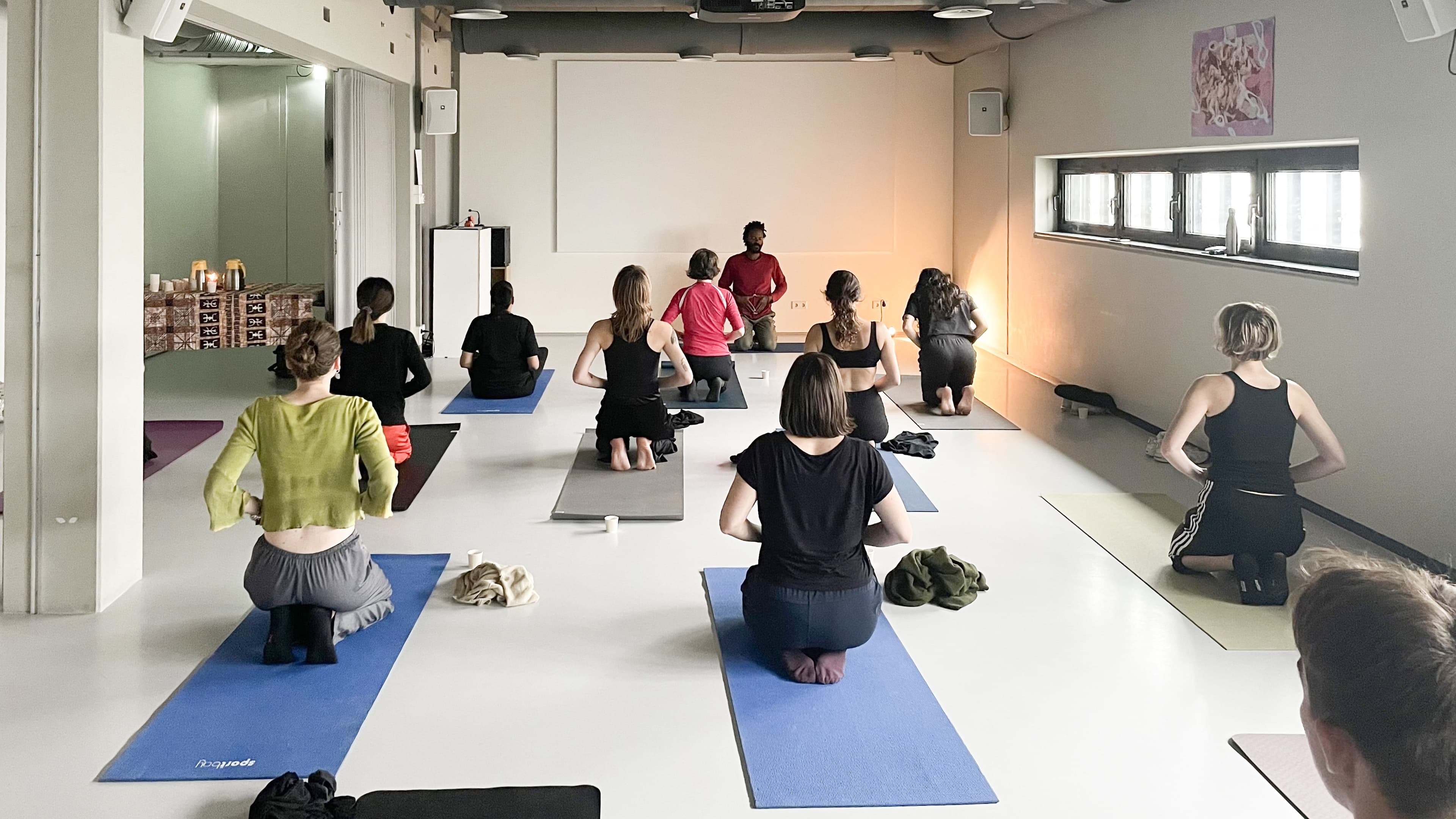
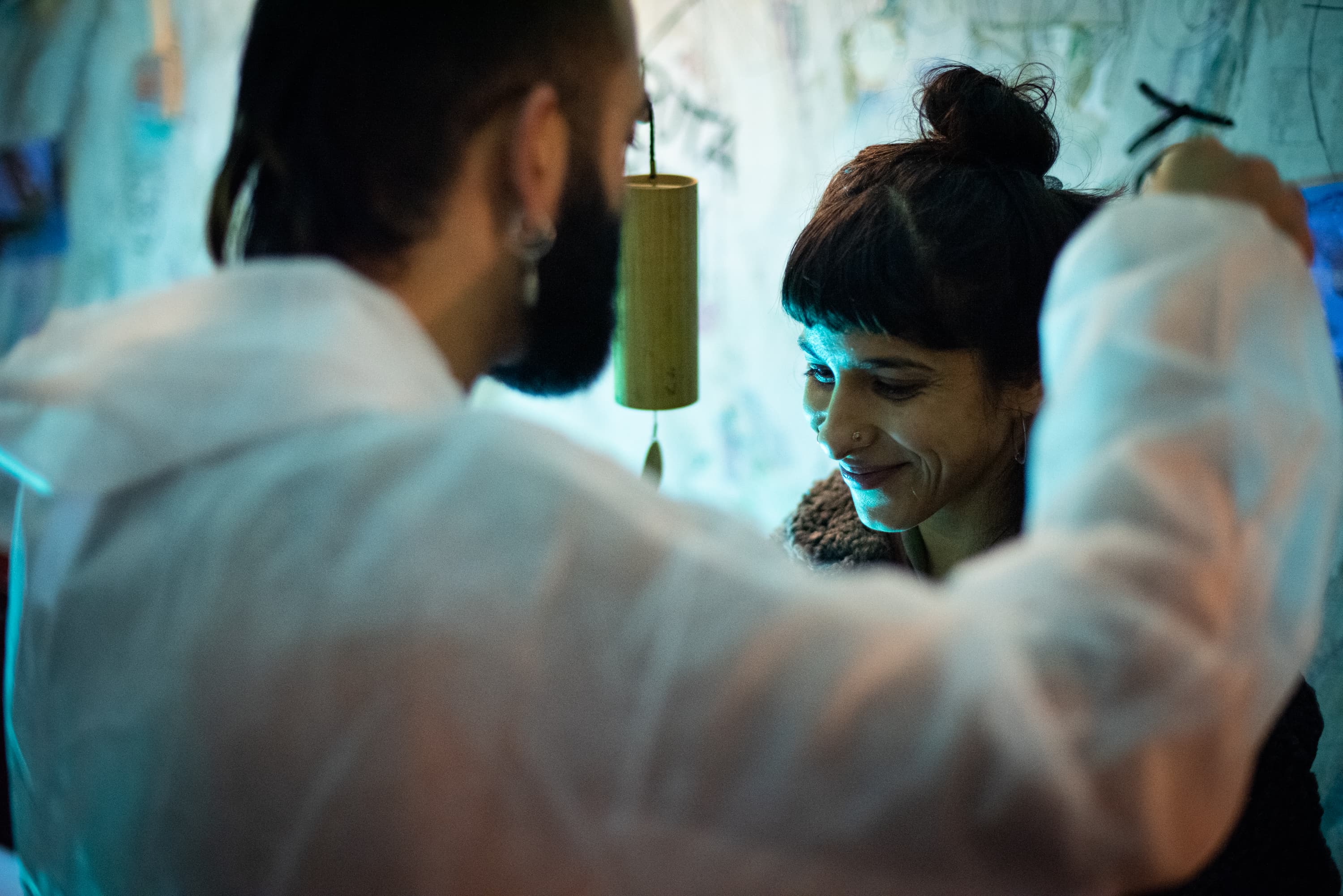
Alkaline-yoga workshop with Orthan Core
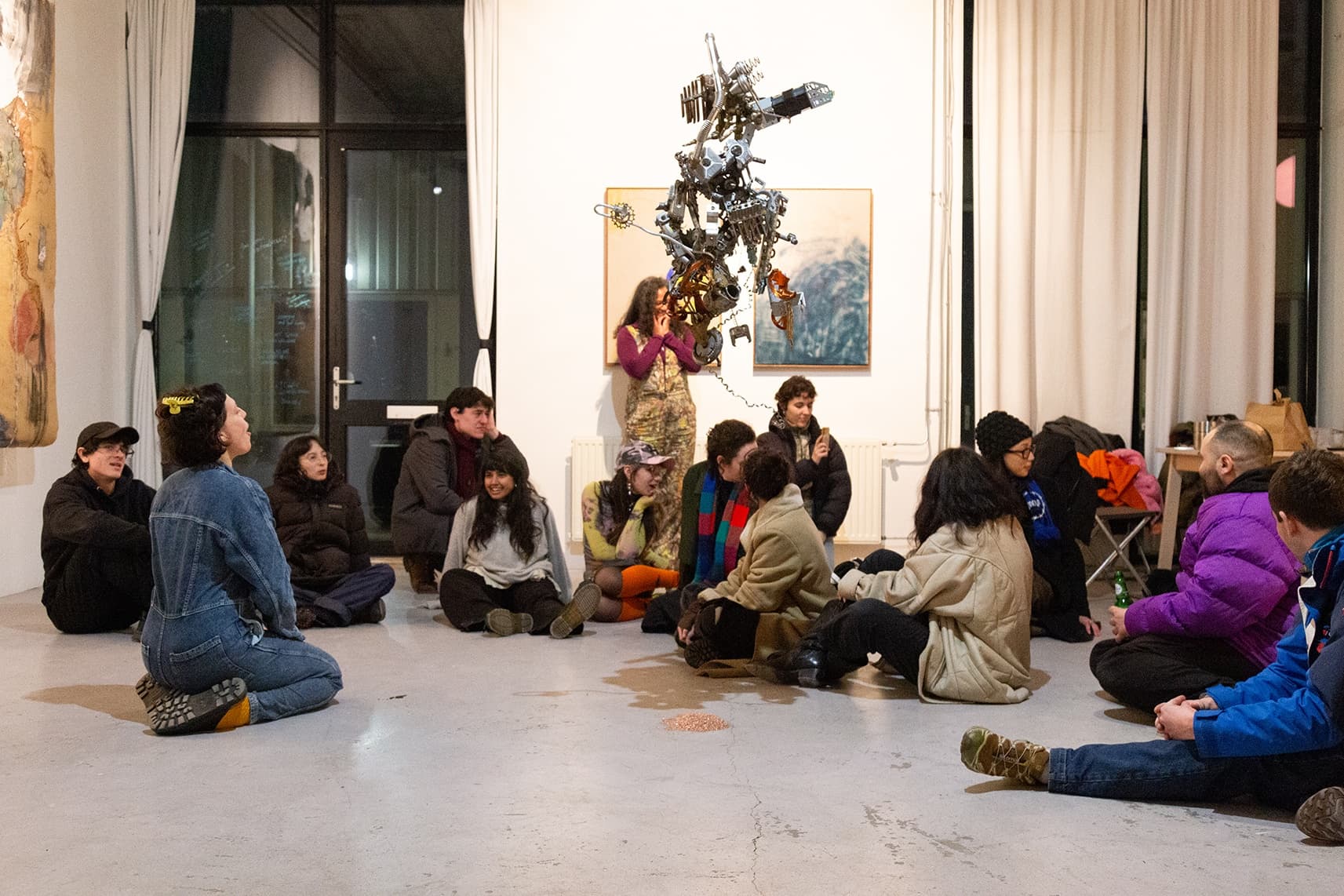
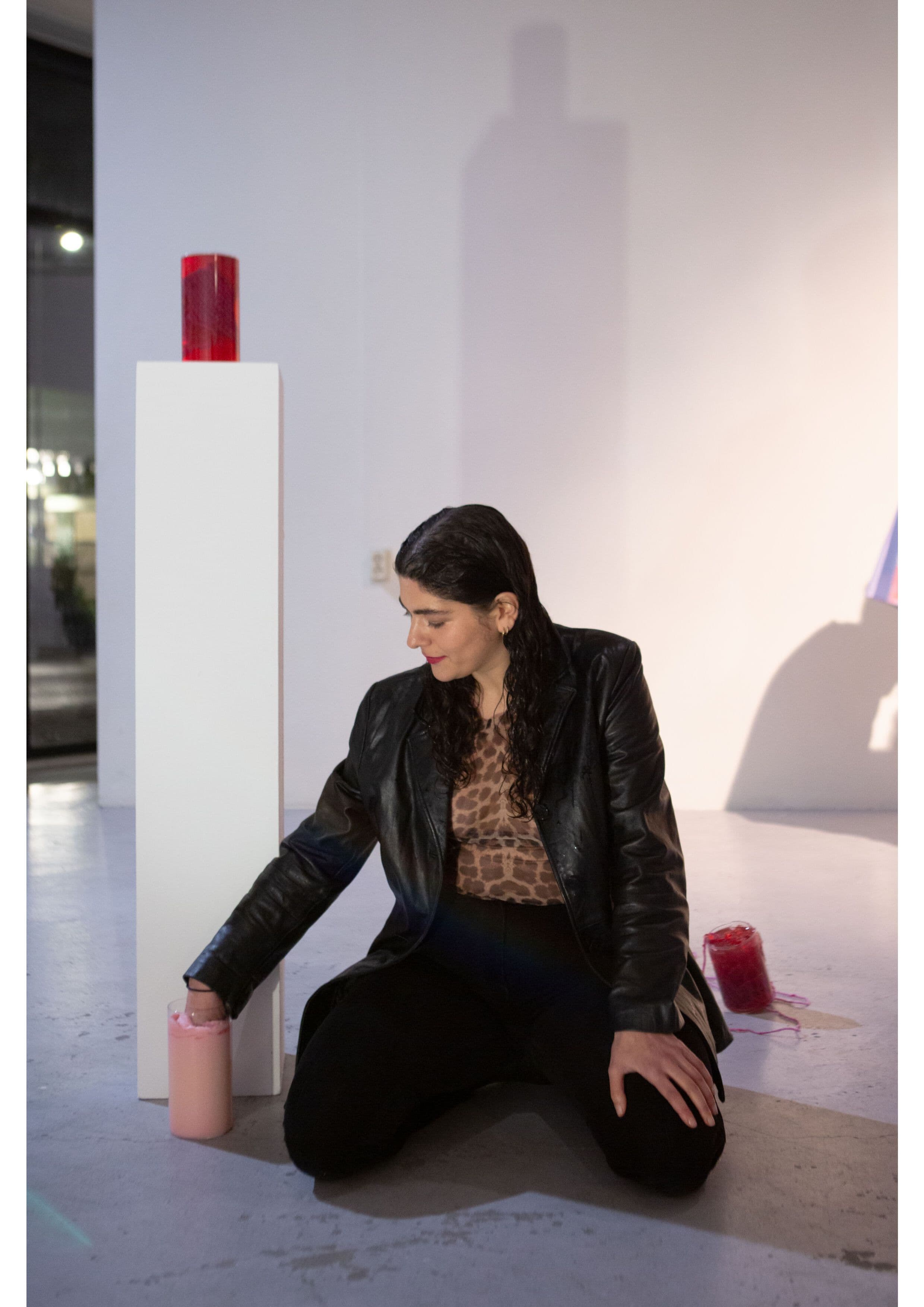
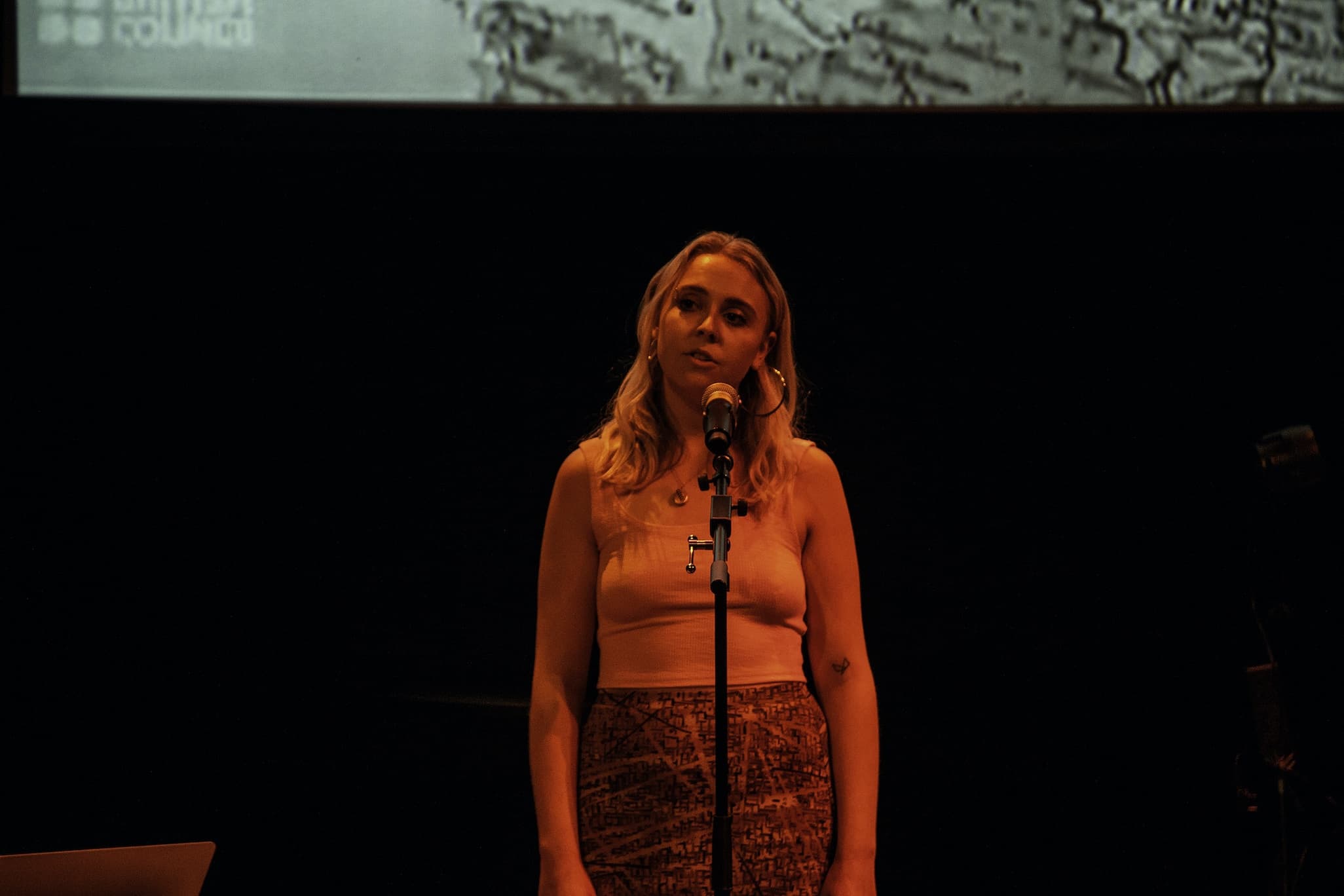
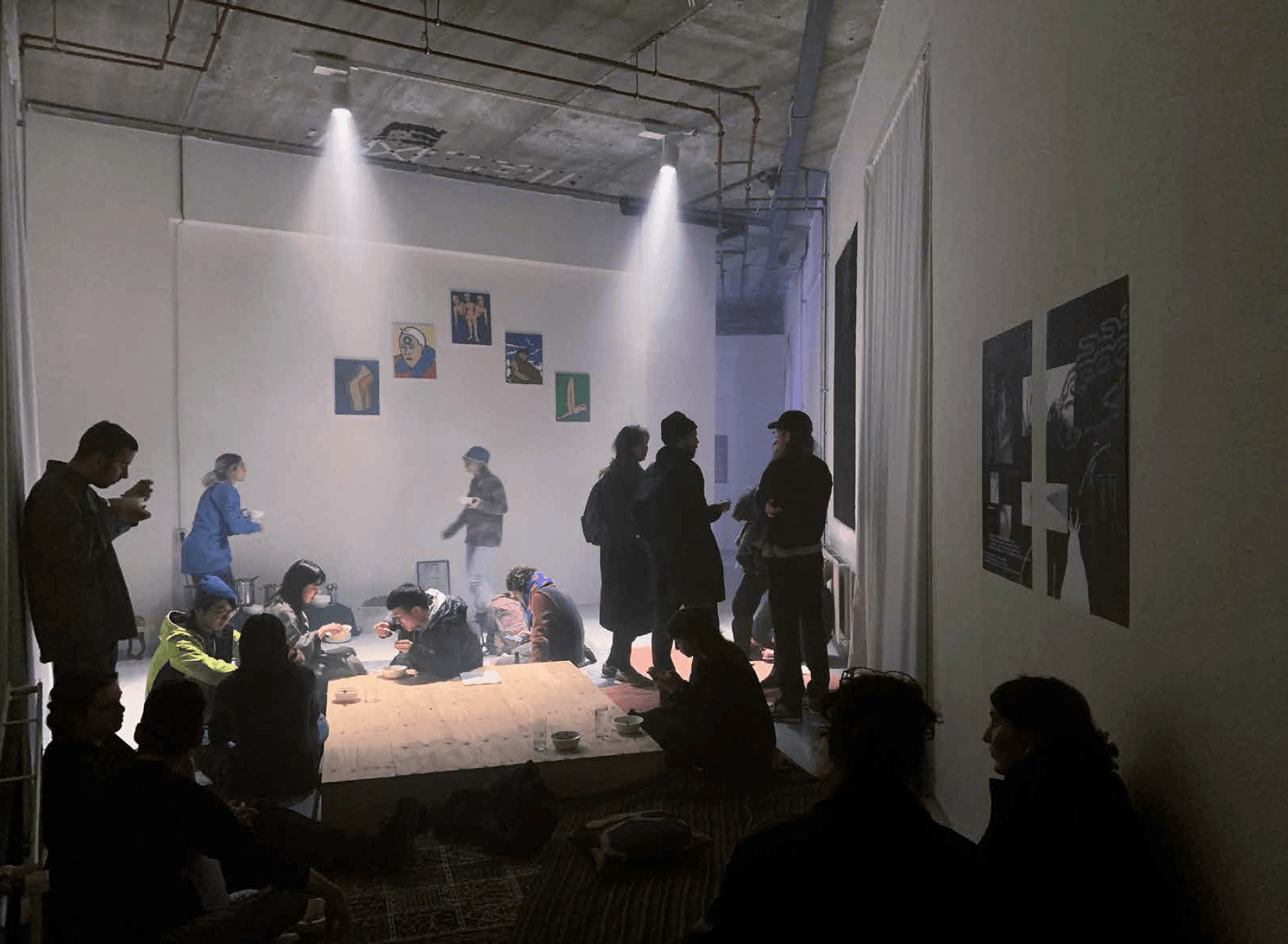
Performance by Clara Deltort and Saidi at SELF-MADE EXHIBITION: Spinning on top of a hurricane. Neverneverland, 2024
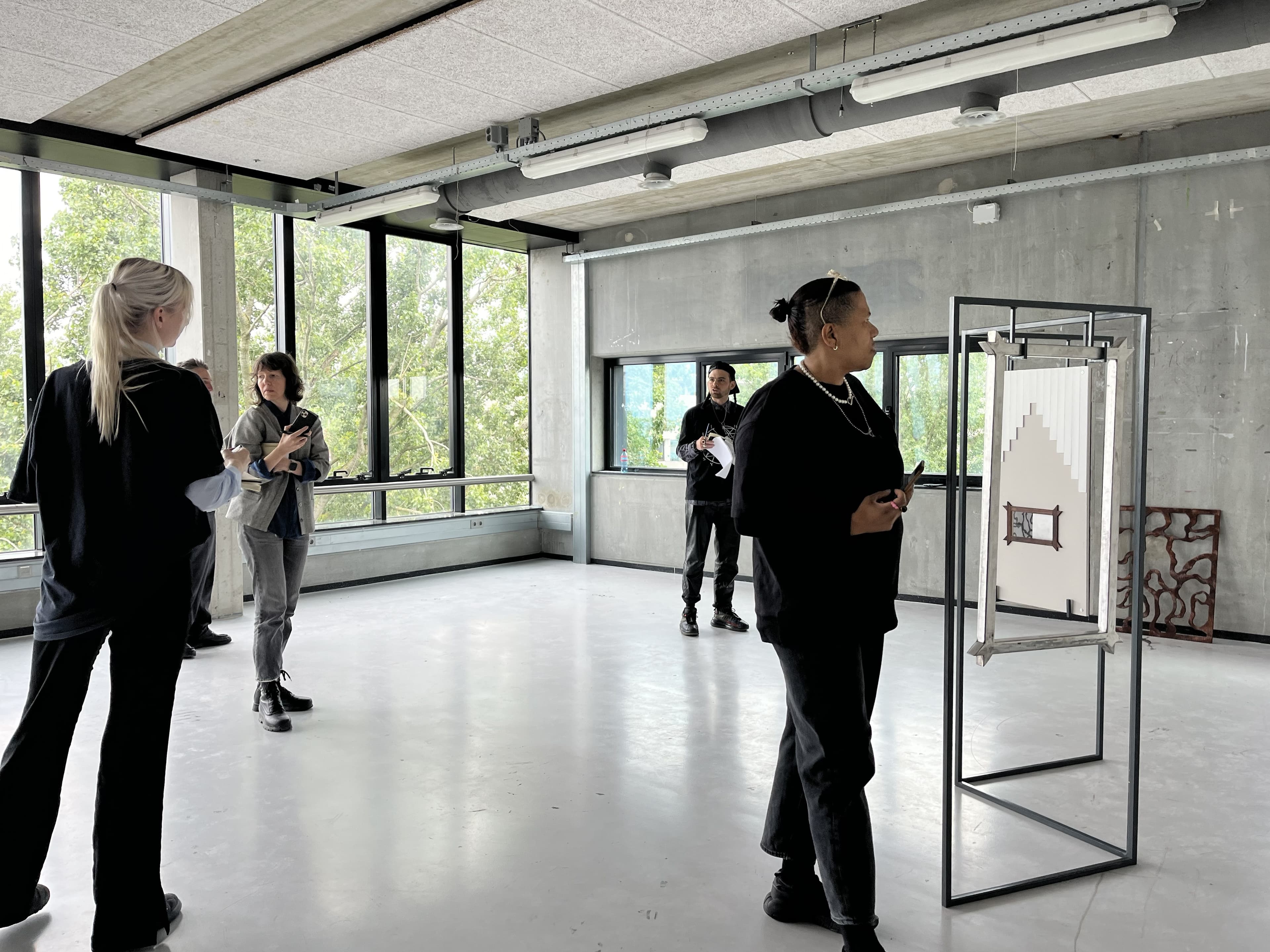
Assessments with artist Clara Ketter (2024)
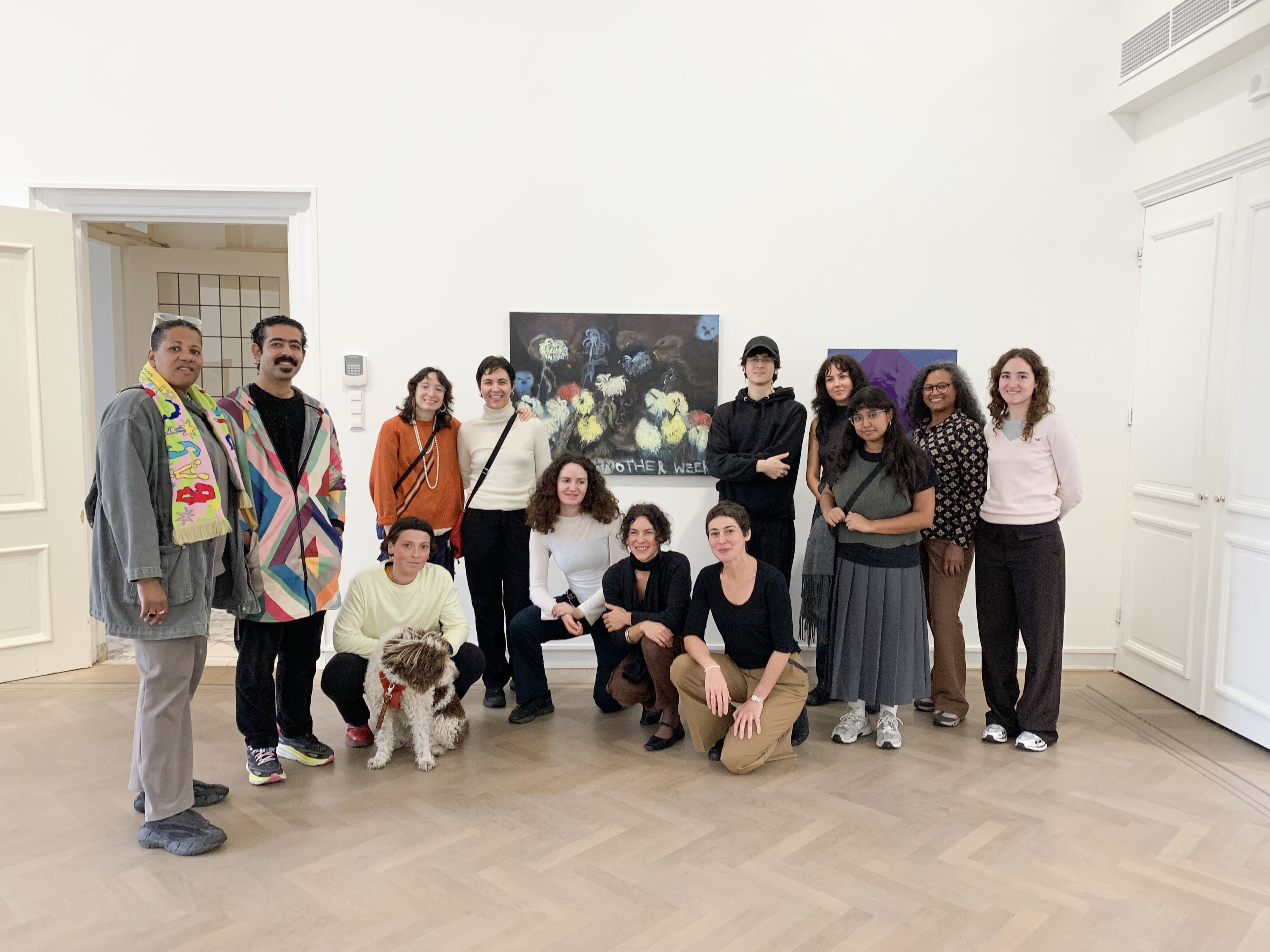
MAPPING THE CITY with artists Elena Narbutaitė and Rosalind Nashashibi, 2024.
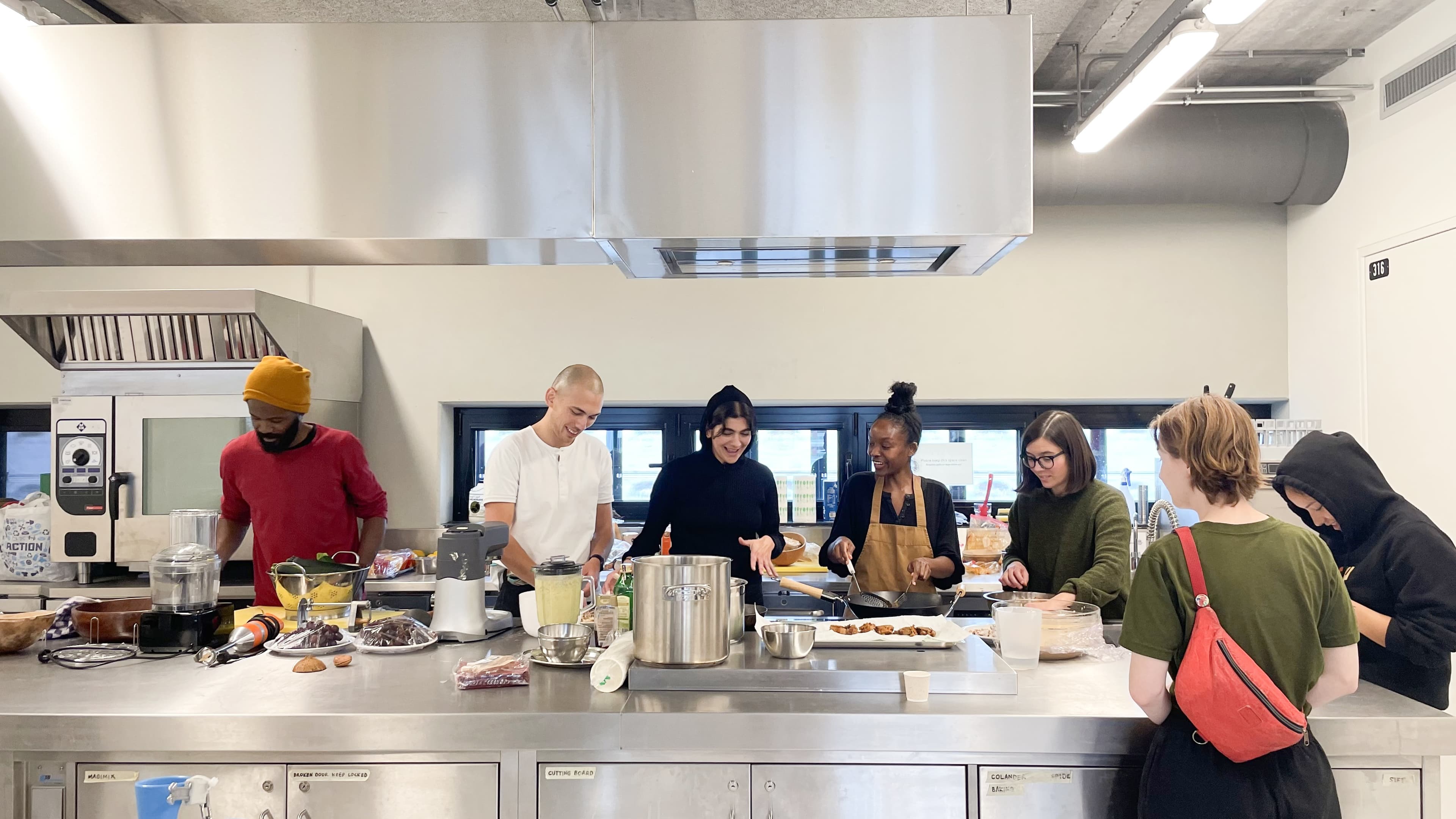
Alkaline-yoga workshop with Orthan Core
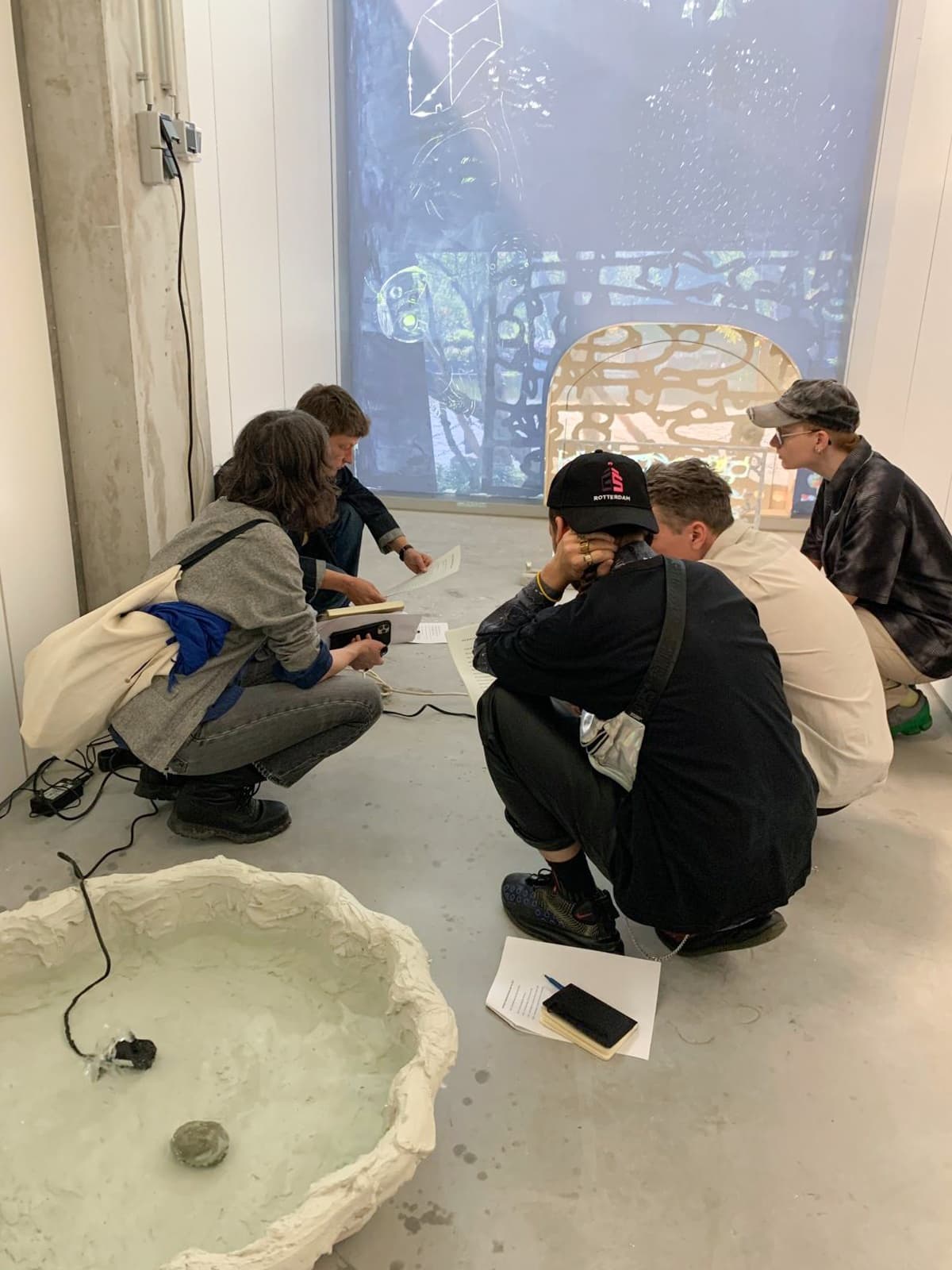
Assessments with artist Yan-Bing Wu (2024)
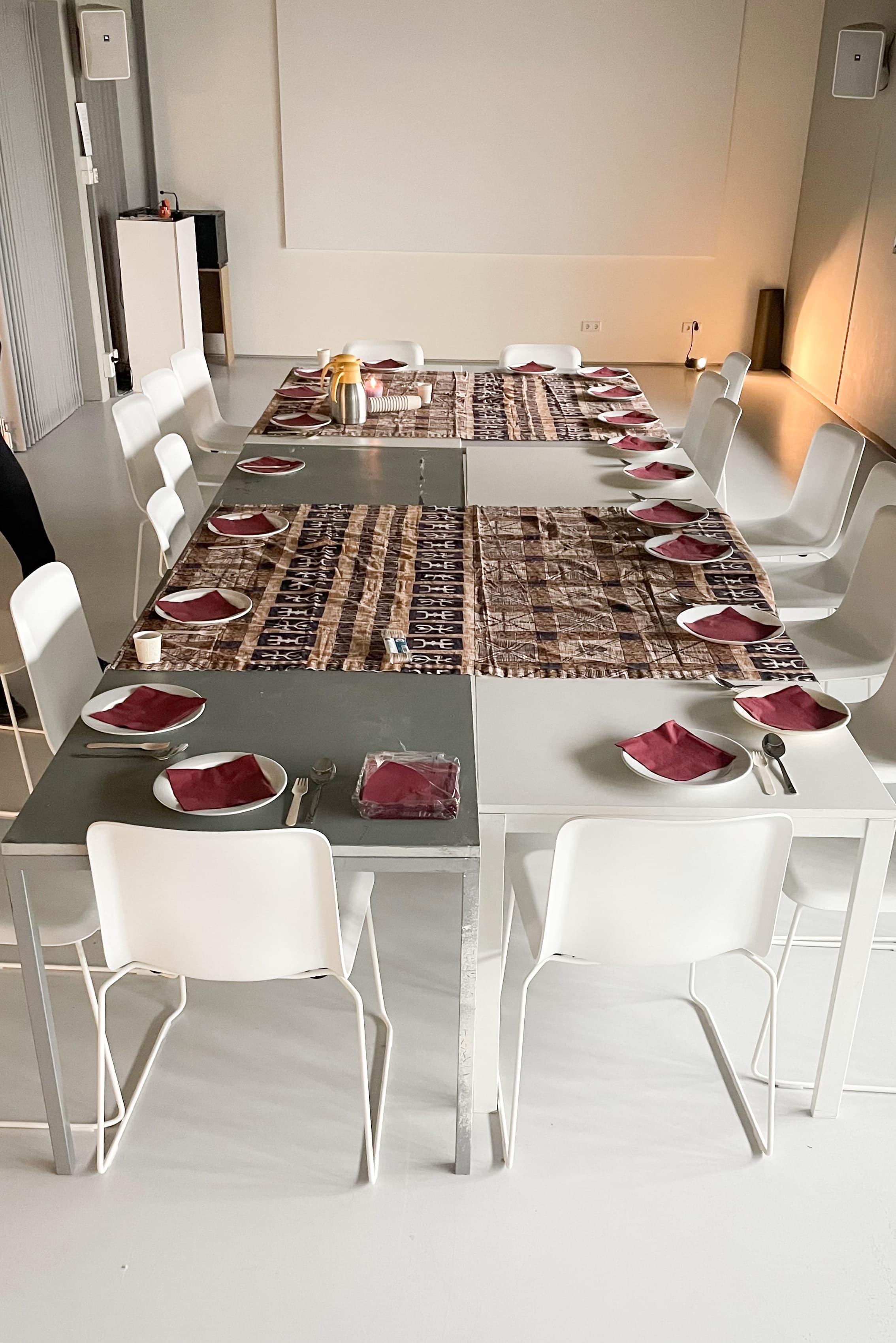
Alkaline yoga workshop with Orthan Core
Team
Mark Turner
Tutor
Lucy Skaer
Tutor
Yazan Khalili
Tutor
Maria Barnas
Tutor
Fyn van Ast
External Theory Tutor
Mason Leaver-Yap
Thesis Tutor
Ama Josephine Budge Johnstone
Tutor
Judith Leysner
Department Head
Gintaras Didziapetris
Tutor
Yaima Carrazana Ciudad
Coordinator
Elio J Carranza
Tutor
Ana Bravo Pérez
Tutor
Lynnée Denise Bonner
Tutor
Current participants
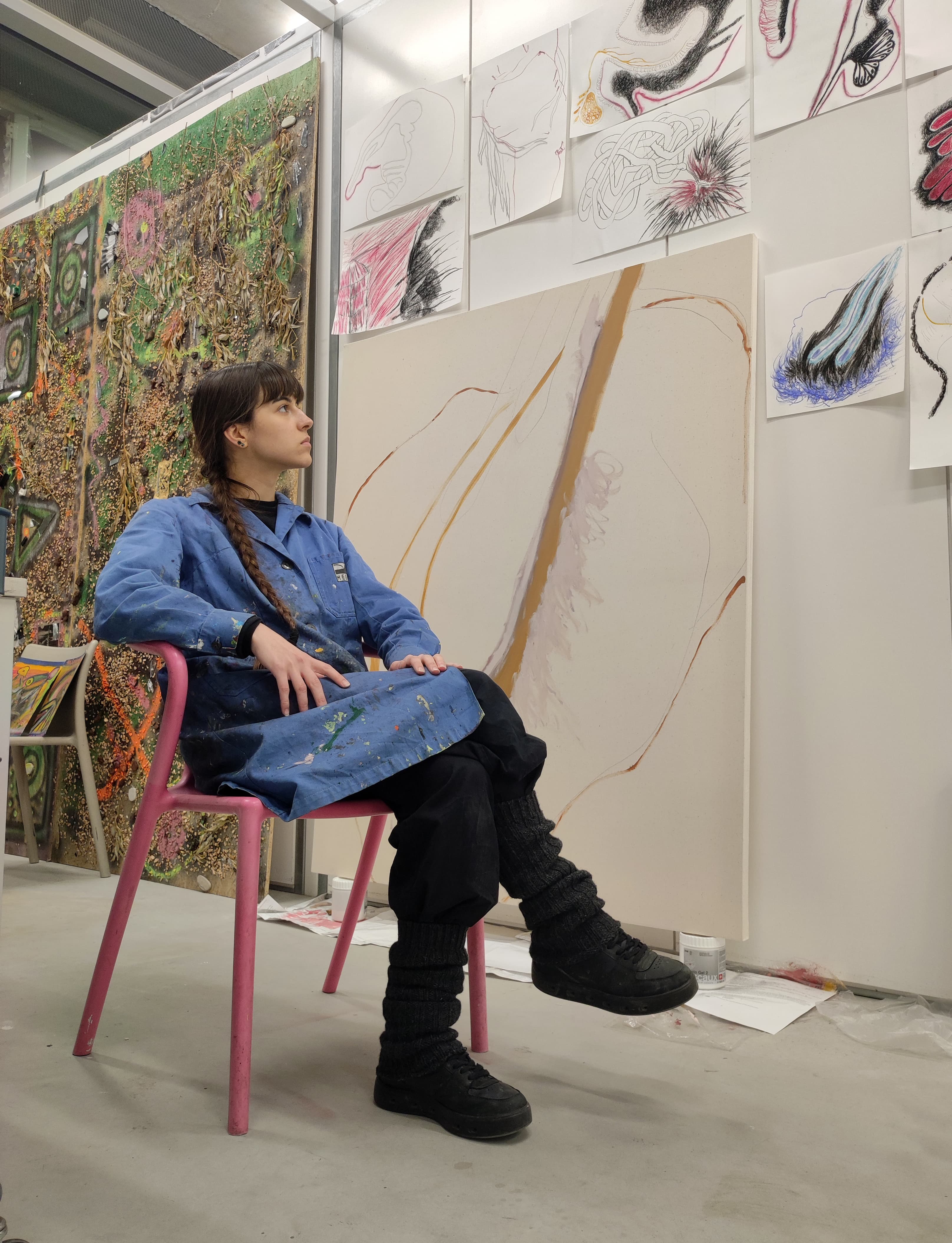
Lana Kosovel
Class of 2027
germain van de familie Marengo
Class of 2027
Pippa van der Weijden
Class of 2027
Kathy Murillo
Class of 2027
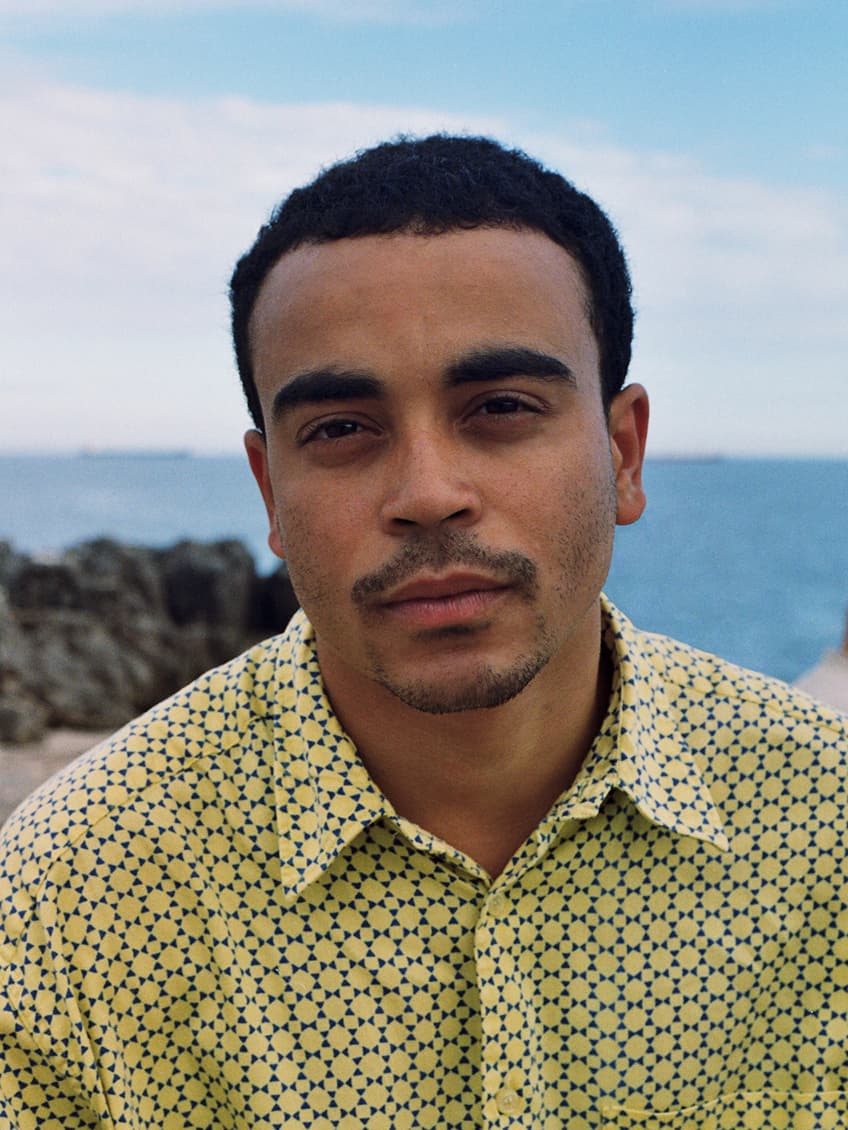
Beni Conrad
Class of 2027
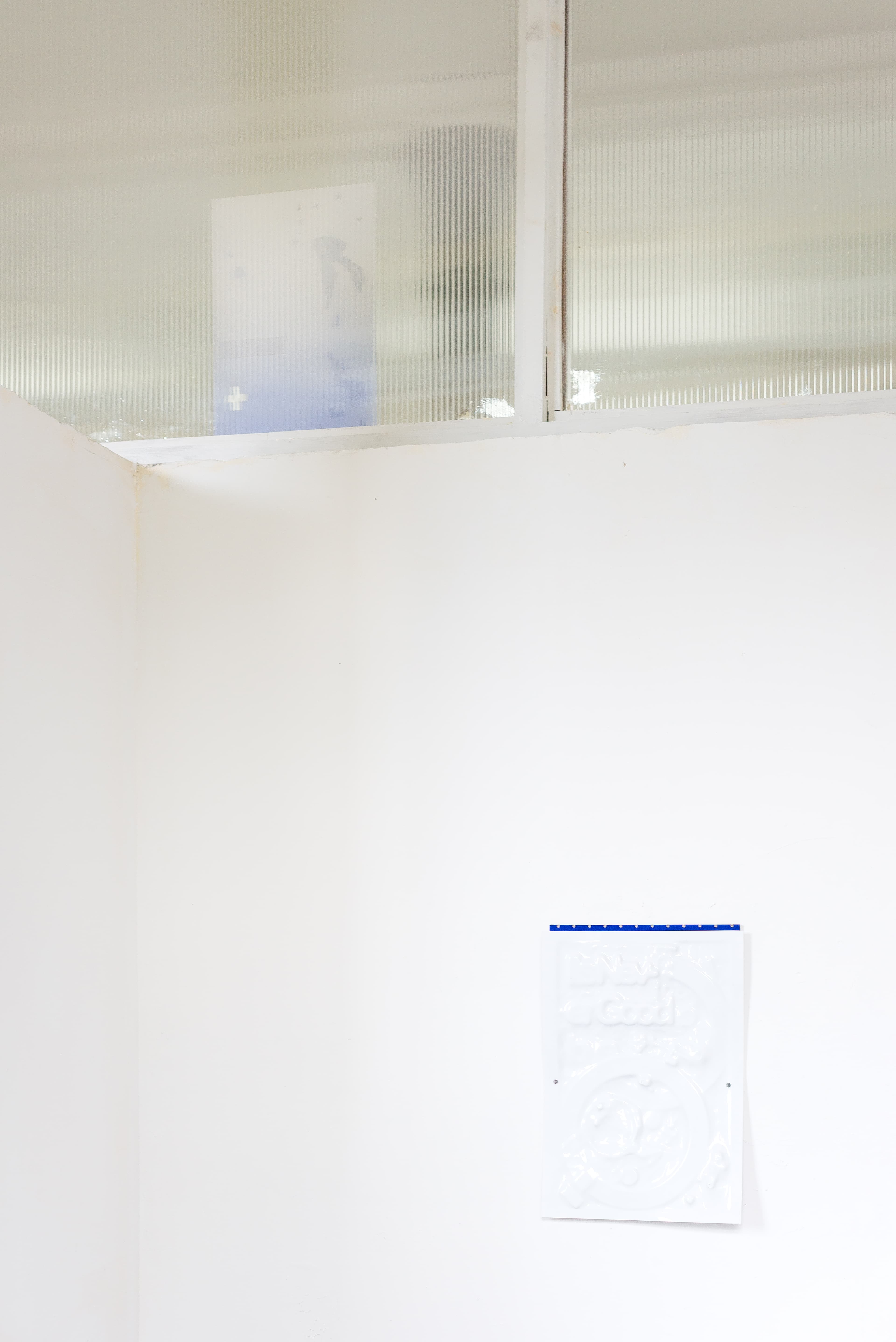
Toni Kronwitter
Class of 2027
Kiara Amartya Mohamad
Class of 2027
Yingtong Zhou
Class of 2027
Kainat Basir
Class of 2027
MARIA TZOULIANA VASILAKOU
Class of 2027
Myriam Coquio
Class of 2027
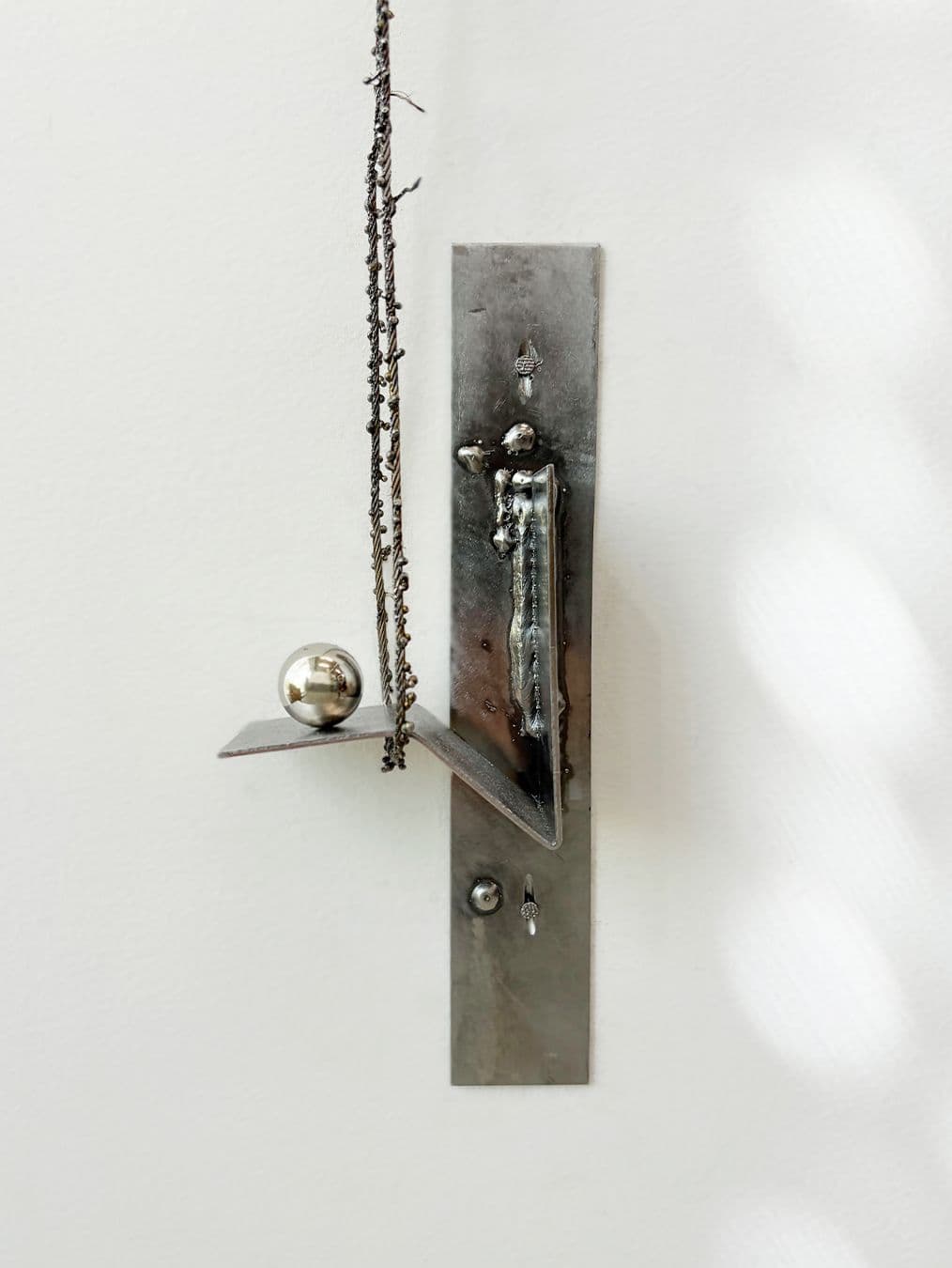
Anastazja Palczukiewicz
Class of 2027
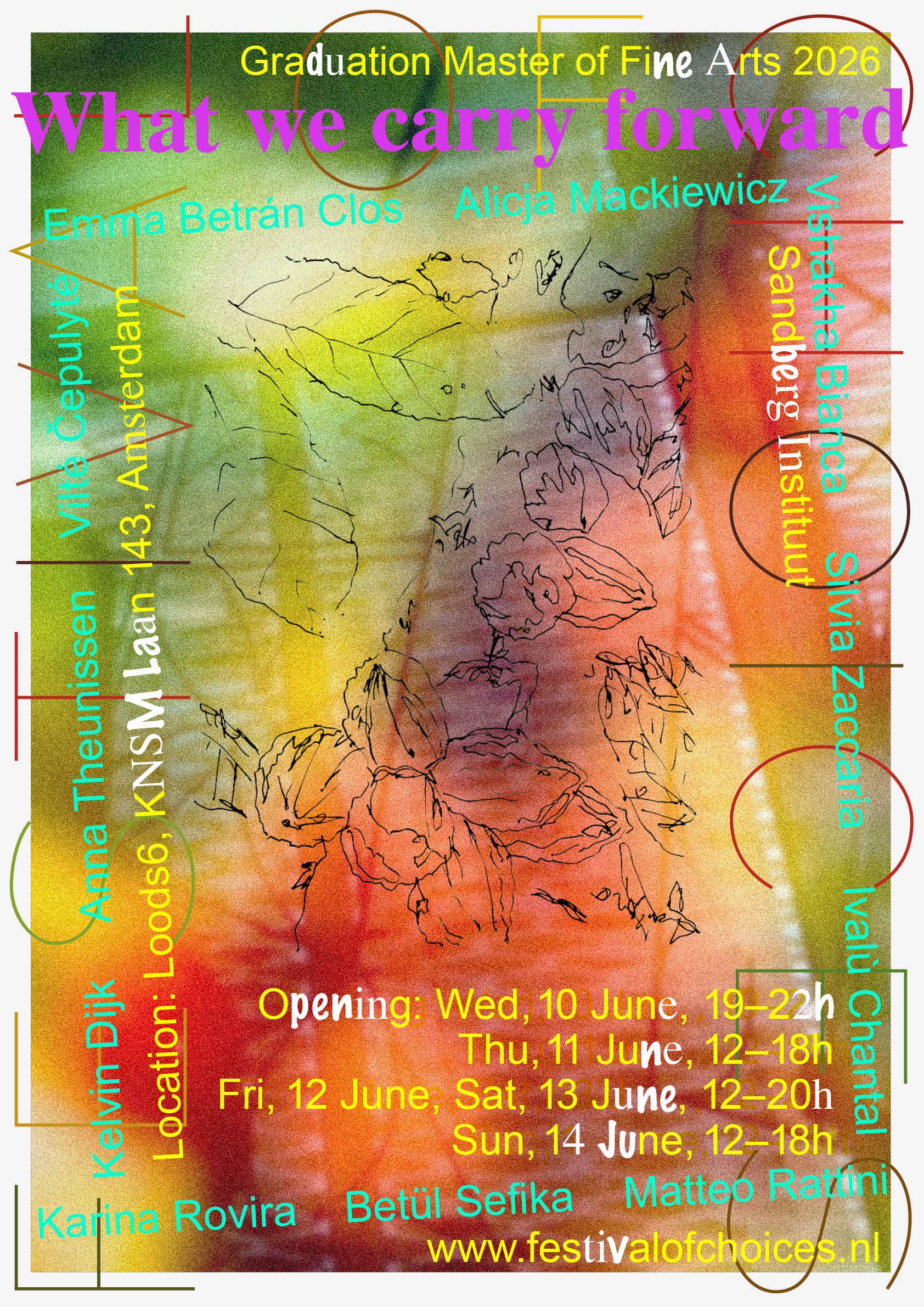
Betül Sefika
Class of 2026
Zero One
Class of 2027
Silvia Zaccaria
Class of 2026
Kelvin Dijk
Class of 2026
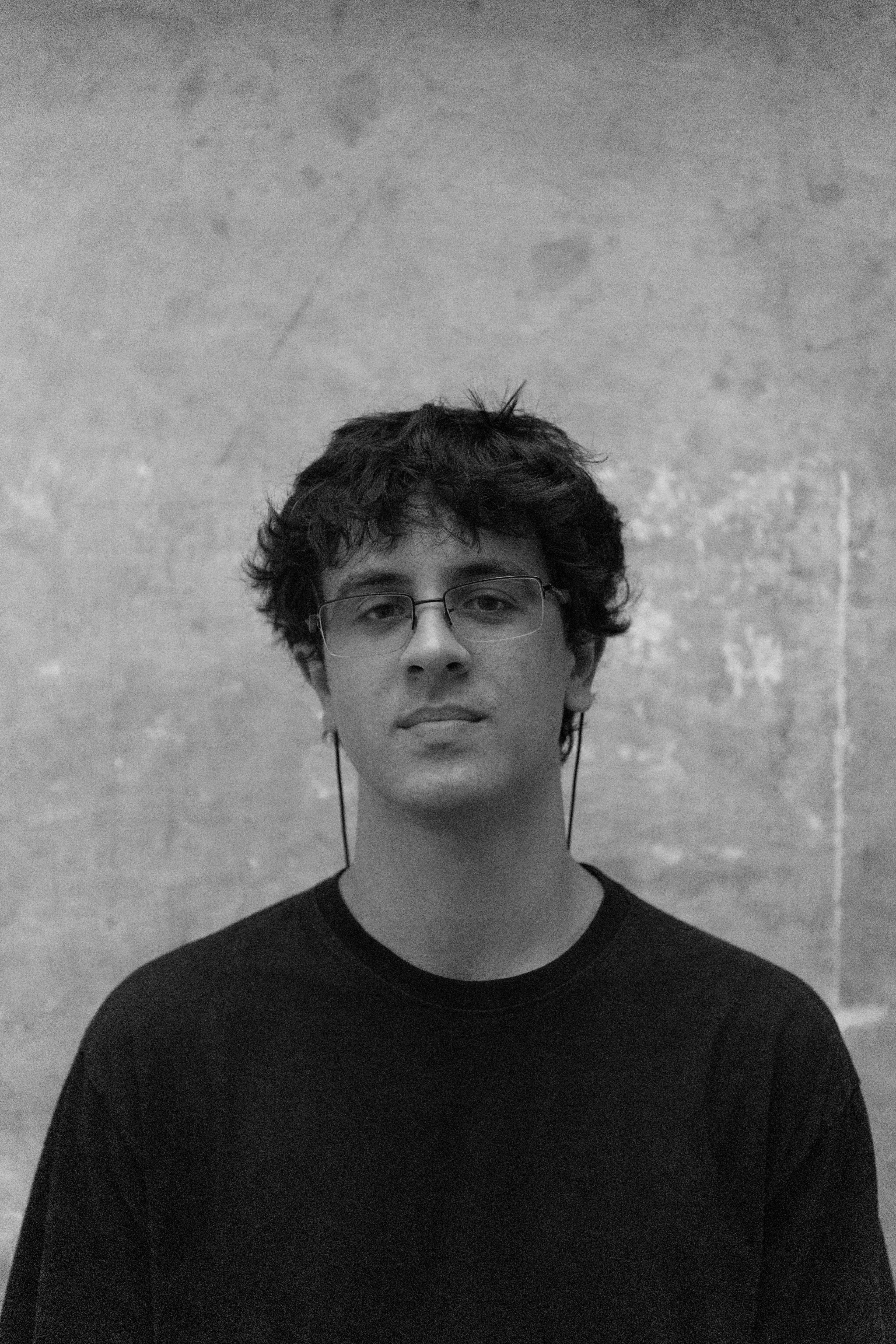
Matteo Rattini
Class of 2026
Anna Theunissen
Class of 2026
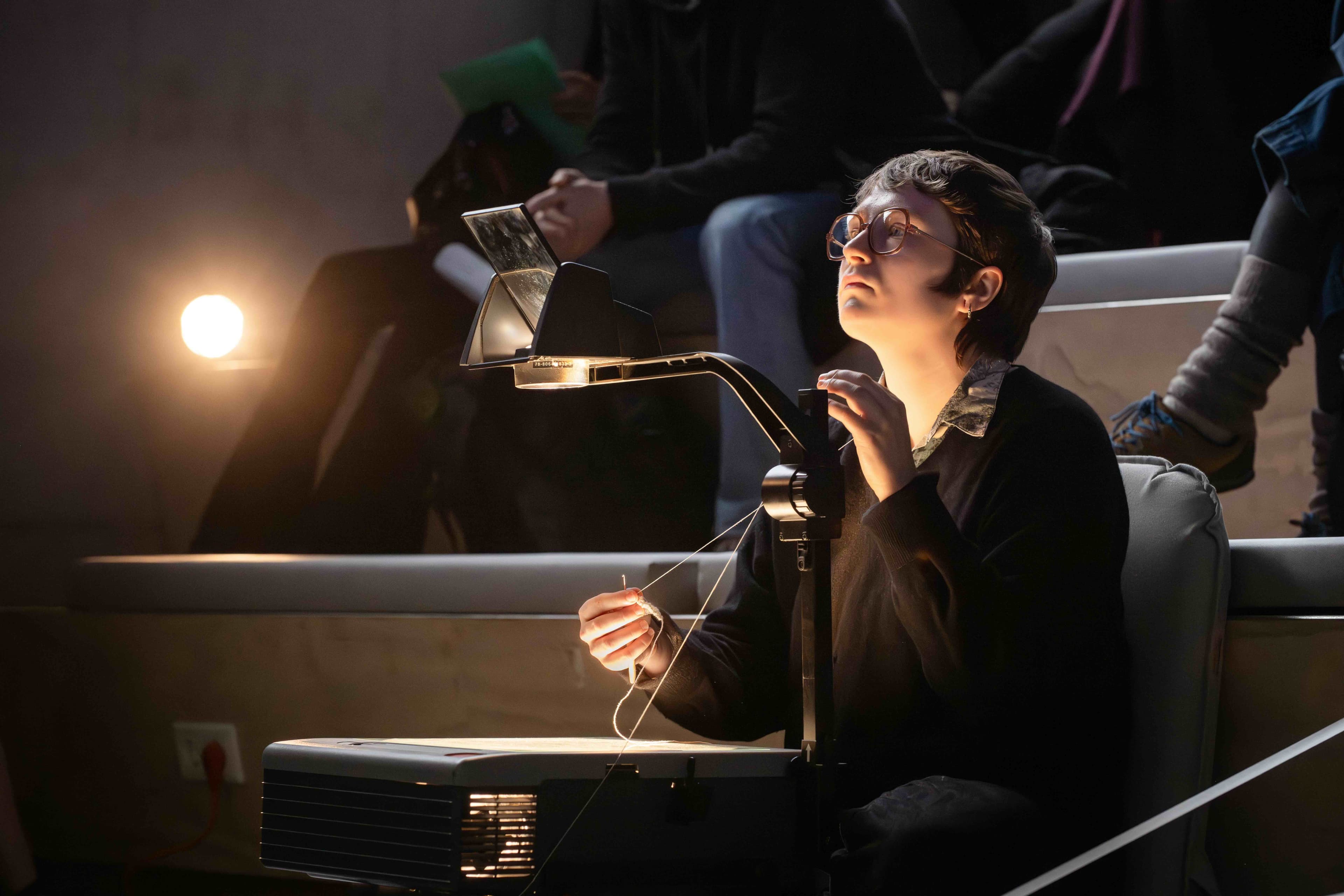
Vishakha Bianca
Class of 2026
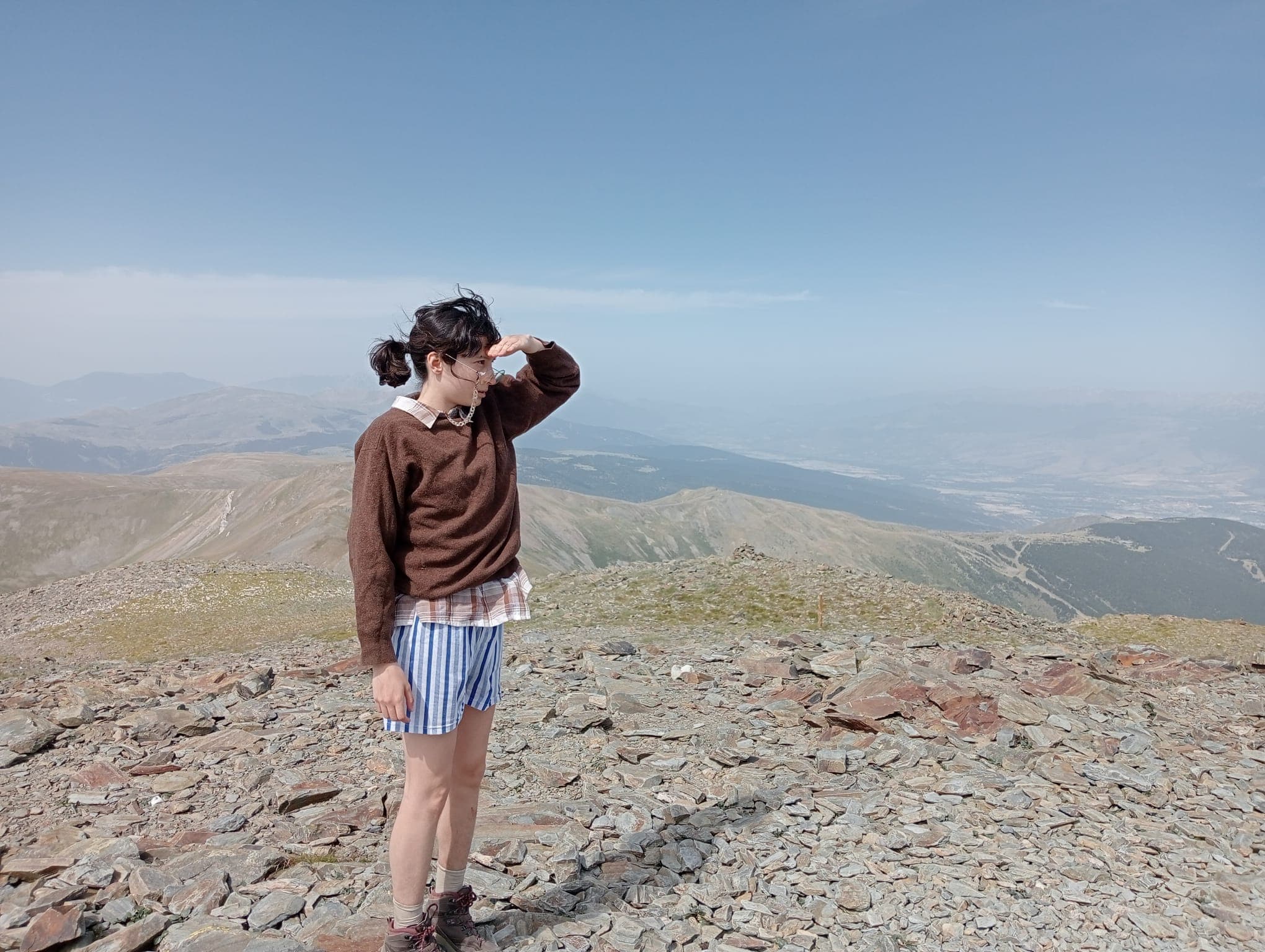
Emma Betrán Clos
Class of 2026
Viltė Čepulytė
Class of 2026
Karina Rovira
Class of 2026
Anna Pierga
Class of 2027
Ivalù Chantal Marcolin
Class of 2026
Seandy Achthoven
Class of 2027
Amor Eletrebi
Class of 2027
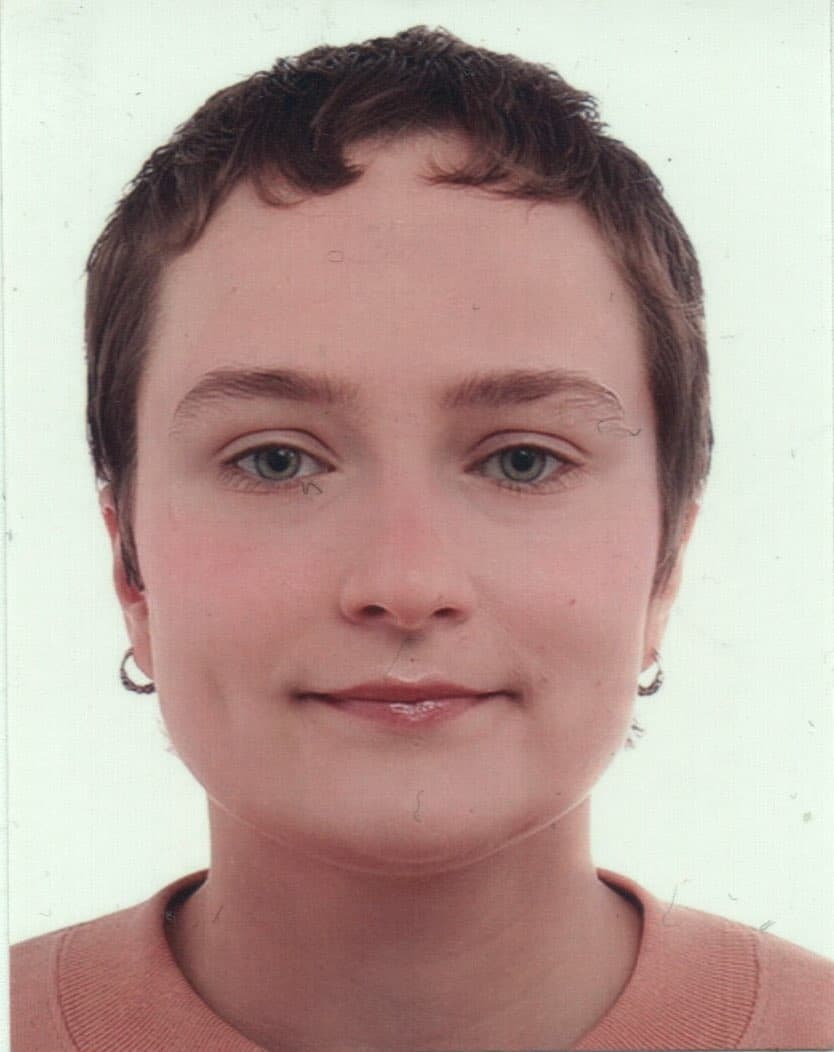
Alicja Mackiewicz
Class of 2026