Main department
Design
The Design Department provides a space for new collective imaginaries reflecting the complexity of designed worlds and design’s implications in social, economic, and ecological issues. As an open and porous structure, the Design Department stimulates peer learning and the co-creation of the shared learning environment. The curriculum is responsive to the pressing concerns of both students and tutors such as the current planetary crises and prevailing socio material injustices. Throughout their study trajectory students develop methods and tools that enable them to express their concerns, position themselves as critical designers, and engage with the politics inherent in design. Rather than creating design projects, the focus lies on developing durable design practices.
Over two years of hands-on research and collaborative learning, students build lasting alliances to address pressing issues. Rather than creating "design projects," they focus on developing durable "design practices" and articulating their positions as critical designers.
Design Undisciplined
The Design Department fosters critical engagement with dominating knowledge systems such as the established design canon and renegotiates prefigured conceptions of expertise, and what is regarded as "best design practices." We are therefore invested in other-than-disciplinary explorations and the problematization of design as a discipline (an established field), a practice (something we are actively involved in shaping), and a concept (a system of thought) [Willis, 2006].
We encourage designers from diverse backgrounds, ages, and abilities to join the Design Department. More important than prior education is a curious and self-driven research attitude and an openness to collaborate and engage with a broader socio-political discourse.
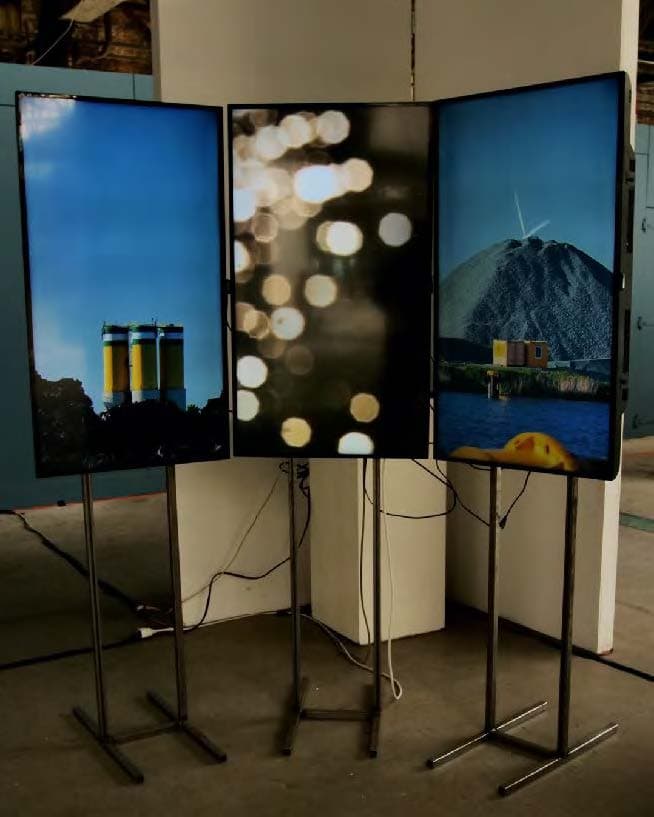
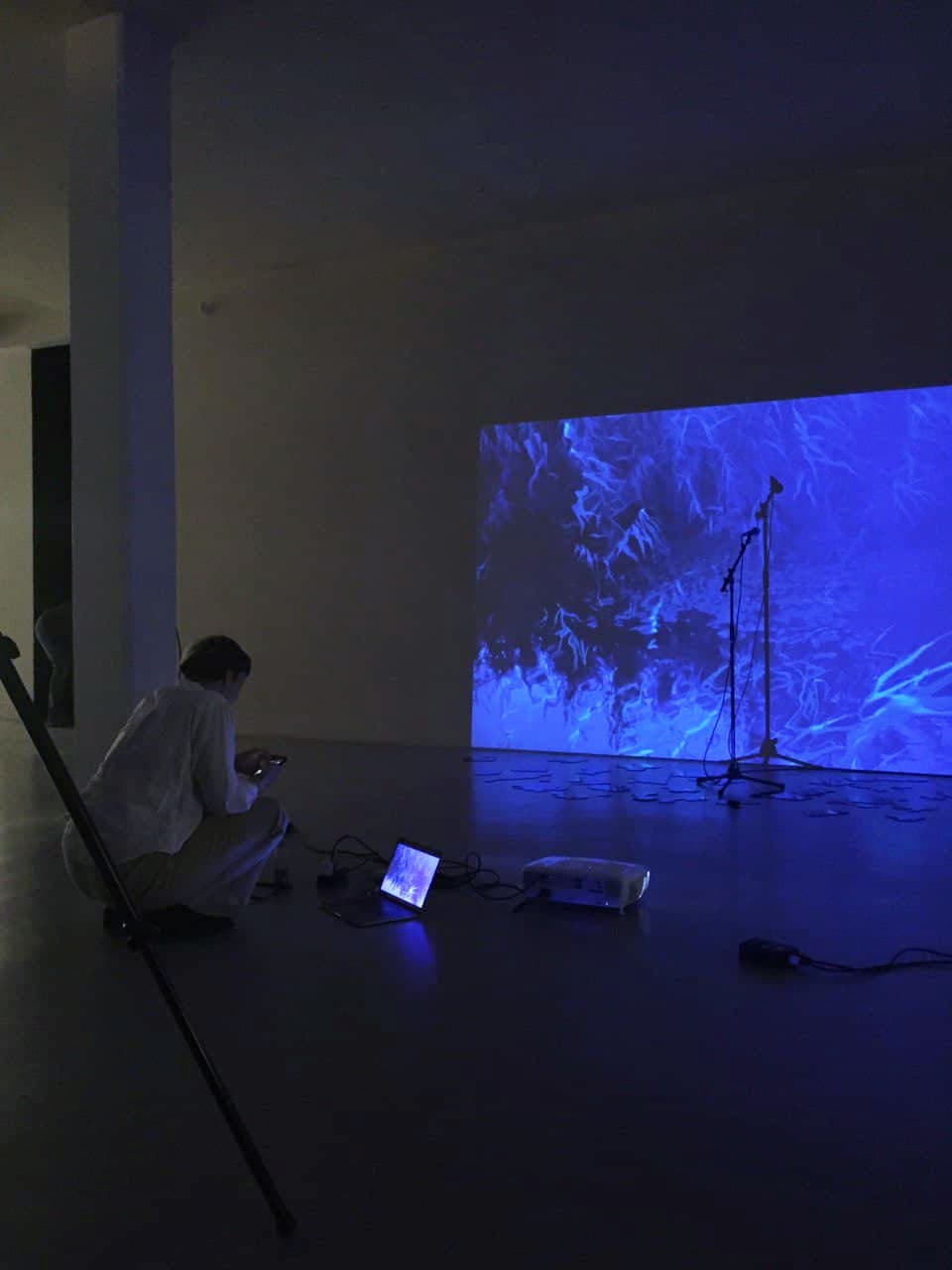
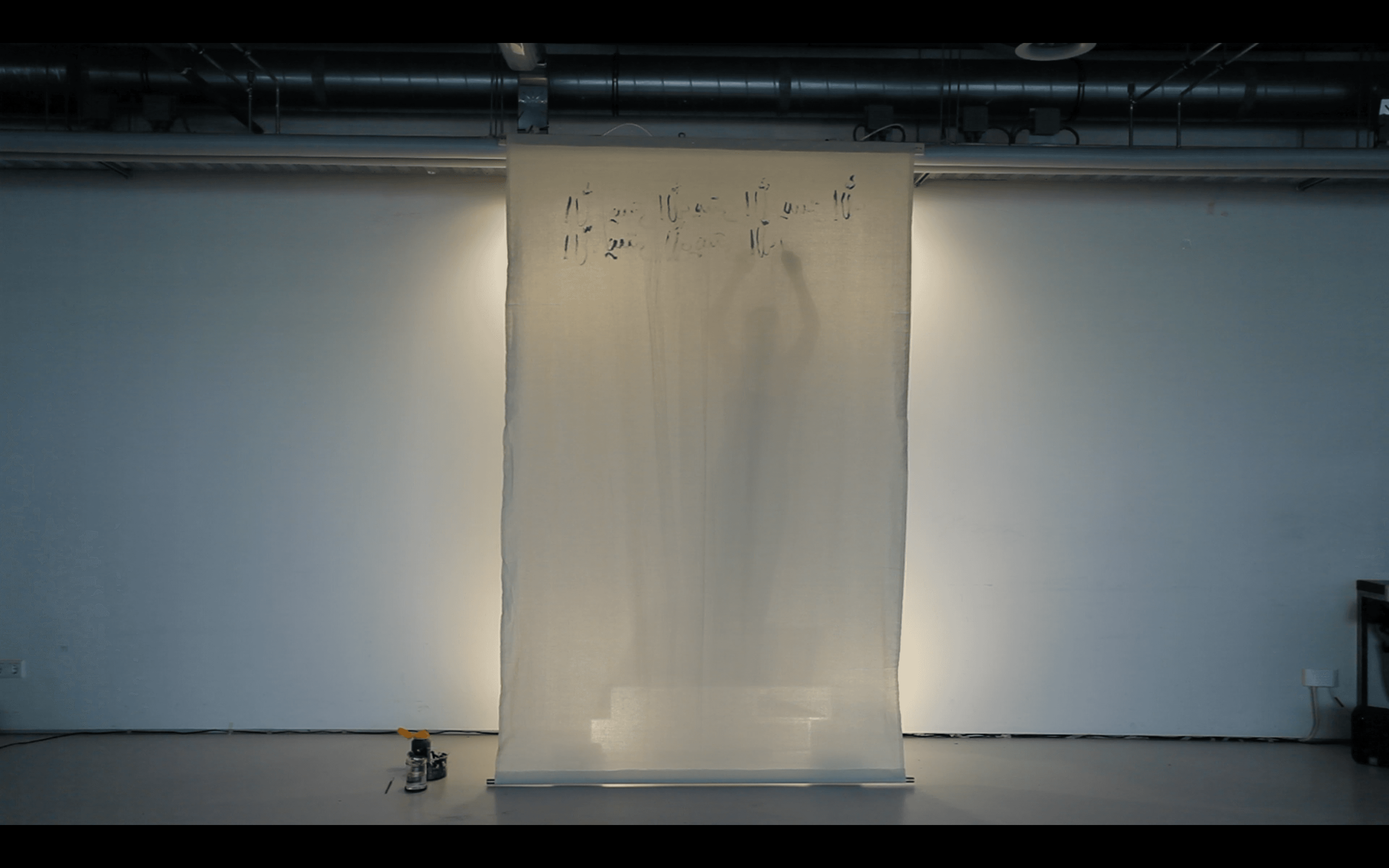
The outcomes of the department are wide ranging. Students produce material and immaterial works, ranging from physical and digital media, on and offline publications, moving image and sound-based works, websites, network infrastructures, games, interventions, performances, texts, educational formats and platforms. Whether we use informative, dialogical, discursive, or confrontational forms of expression, as designers, our work aims to relate and communicate with others. This makes it all the more important to pay attention to the politics inherent in design.
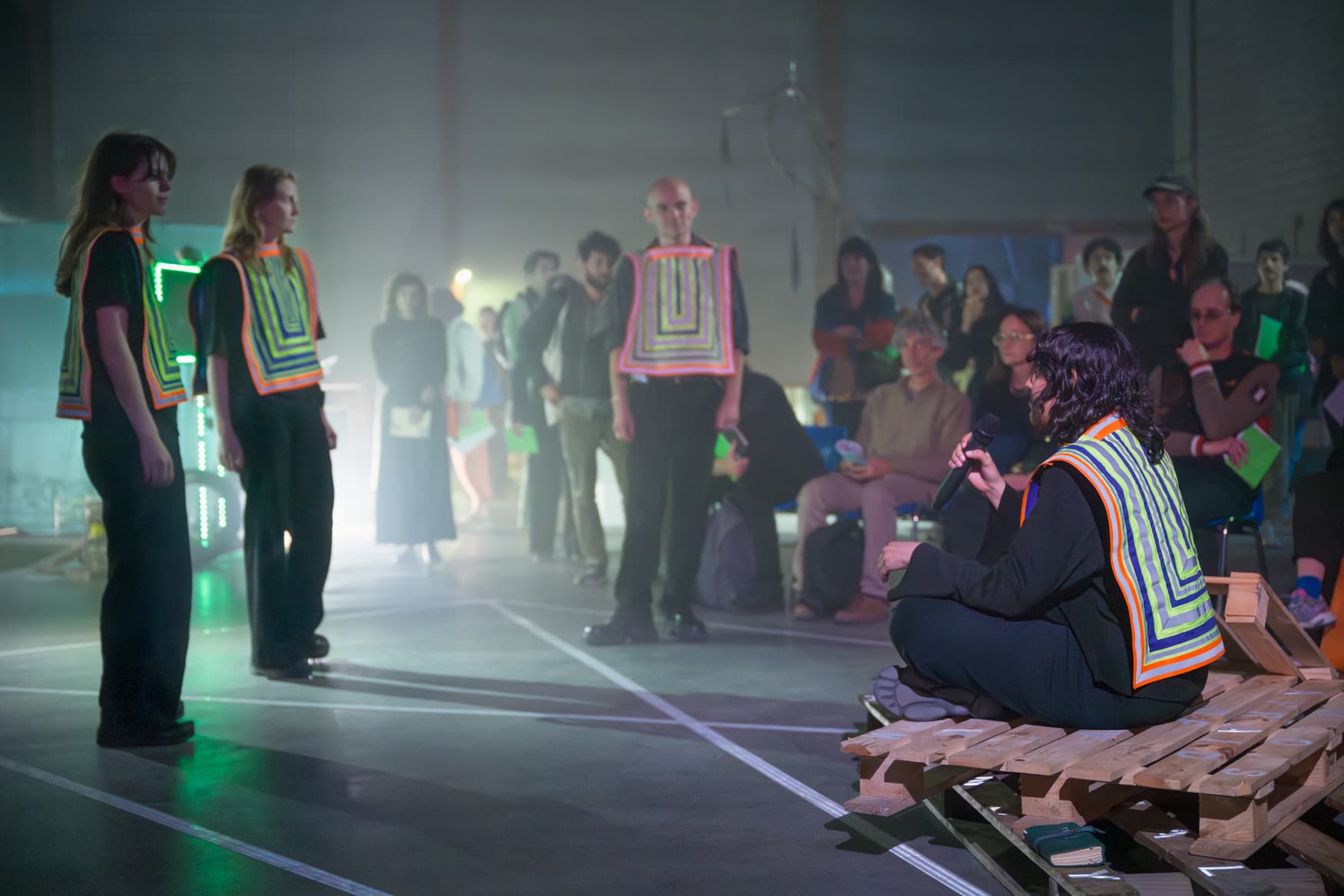
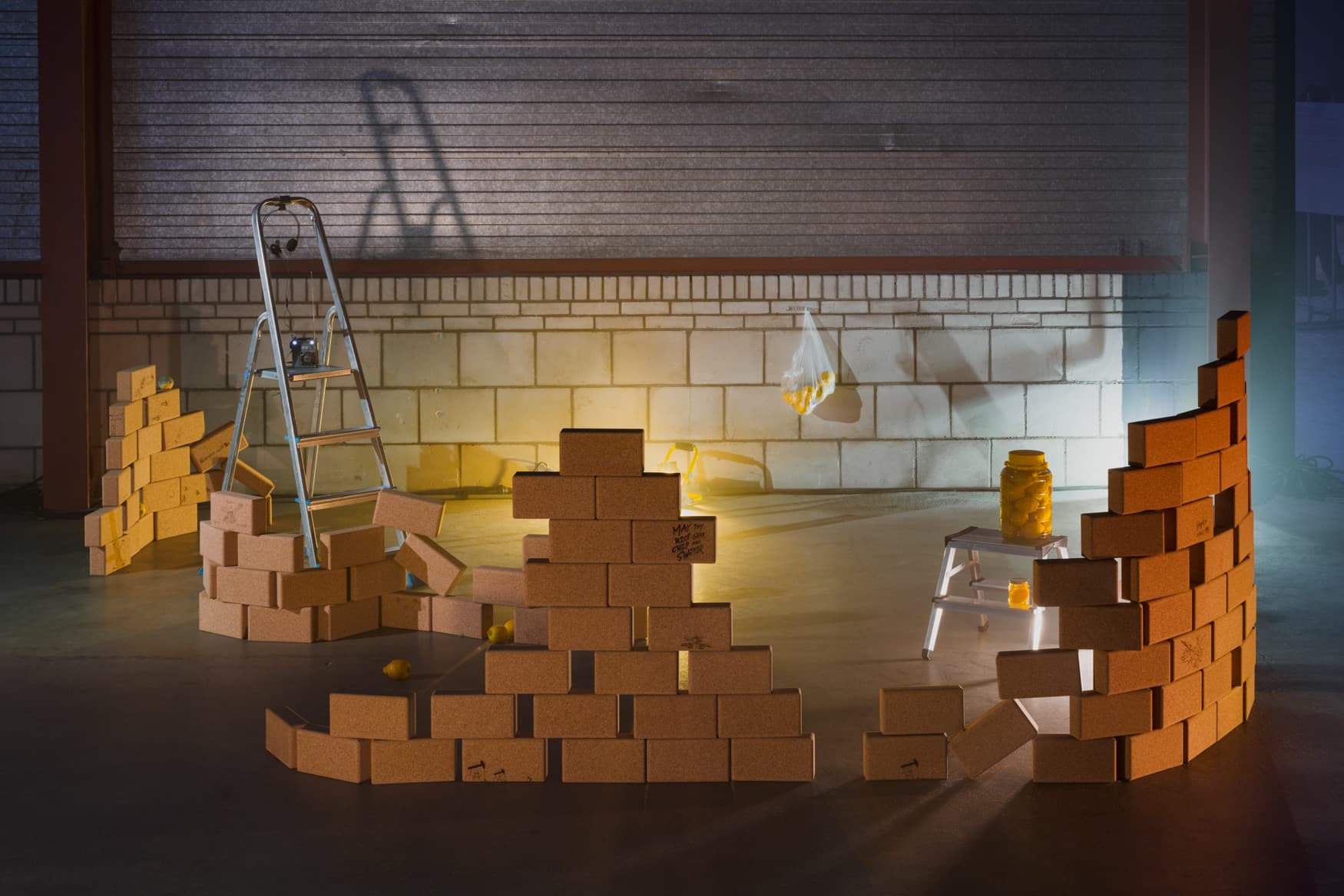
Graduation Show 2024, Who’s Afraid of Assembly? by Sherine Salla. Photo by Tom Philip Janssen
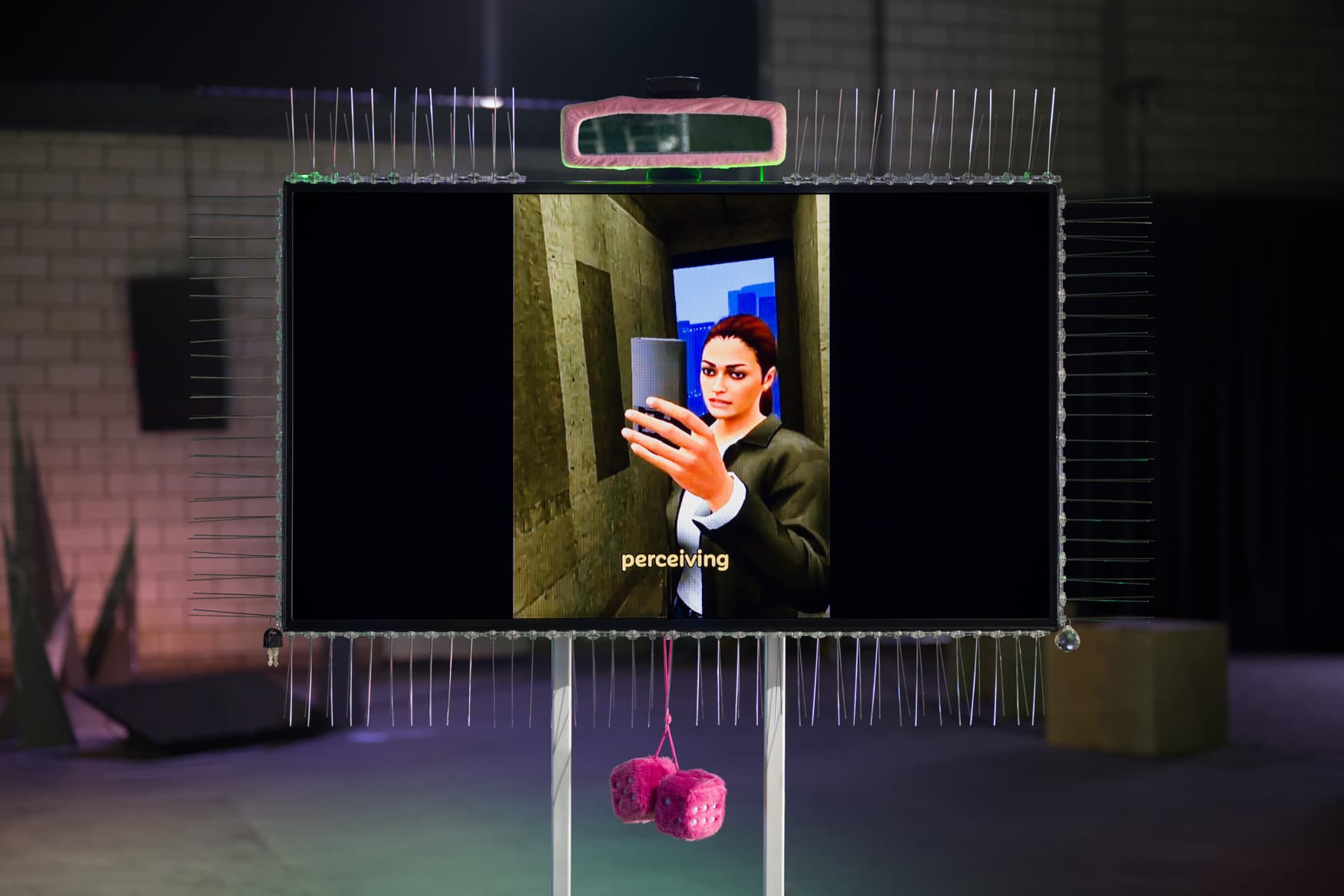
Graduation Show 2024. Duel by Catterina Raffo. Photo by Tom Philip Janssen
Graduation Show 2024. No, This Is Not the Waiting Room? by Hala Namer. Photo by Tom Philip Janssen
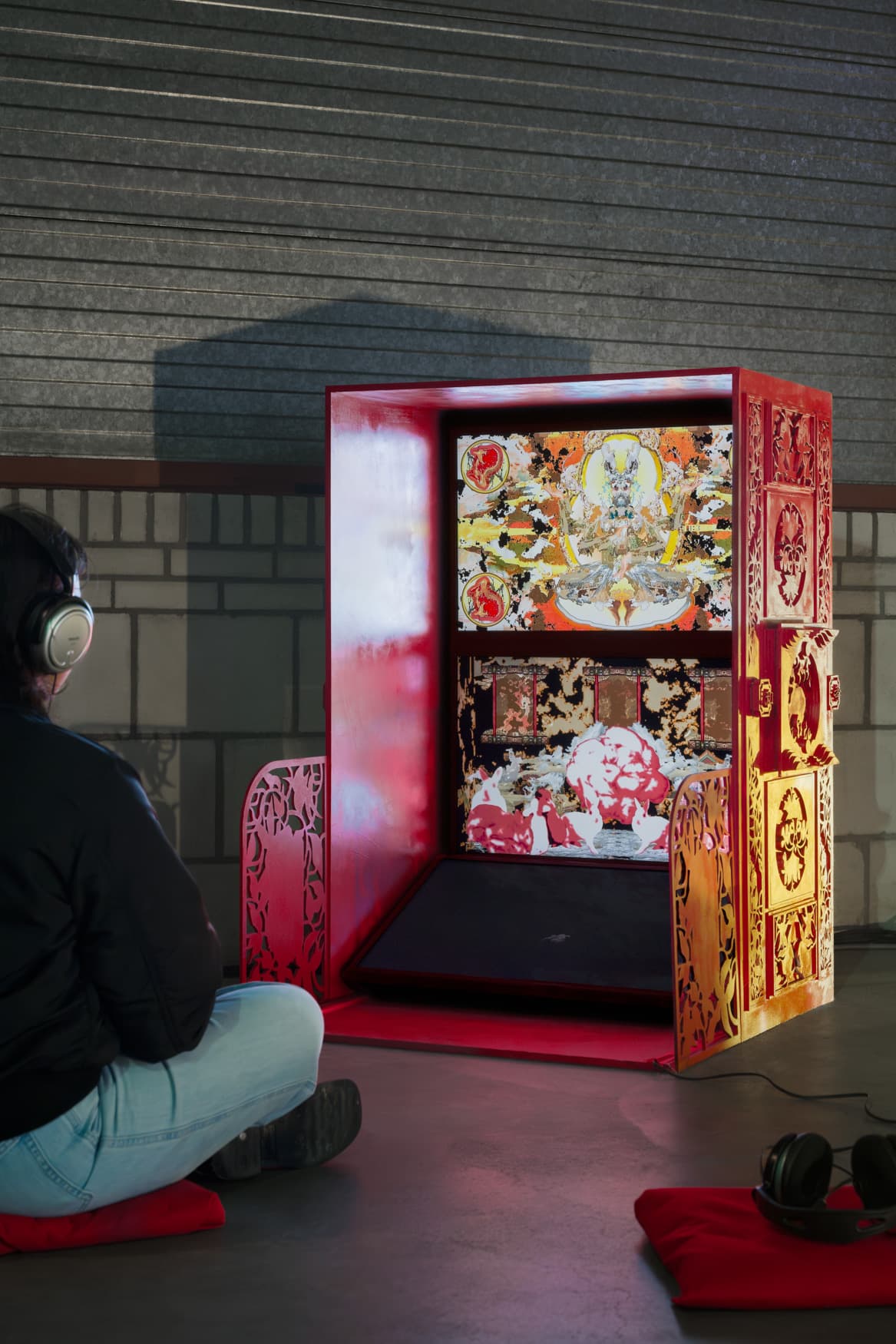
Graduation Show 2024. Running to another cage, you see me? by Kaiyu Wang. Photo by Tom Philip Janssen
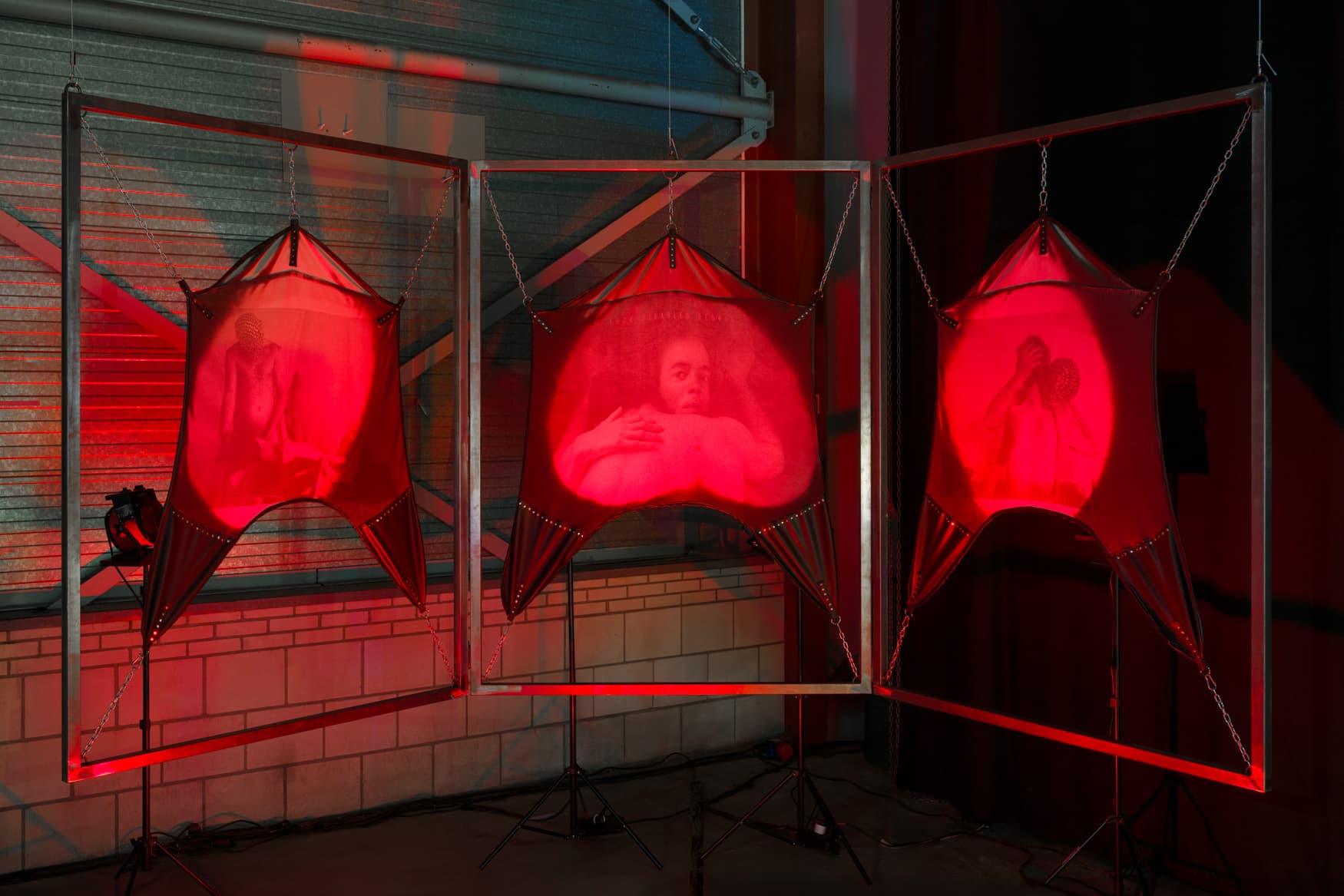
Graduation Show 2024. With Love by Menko Dijksterhuis. Photo by Tom Philip Janssen
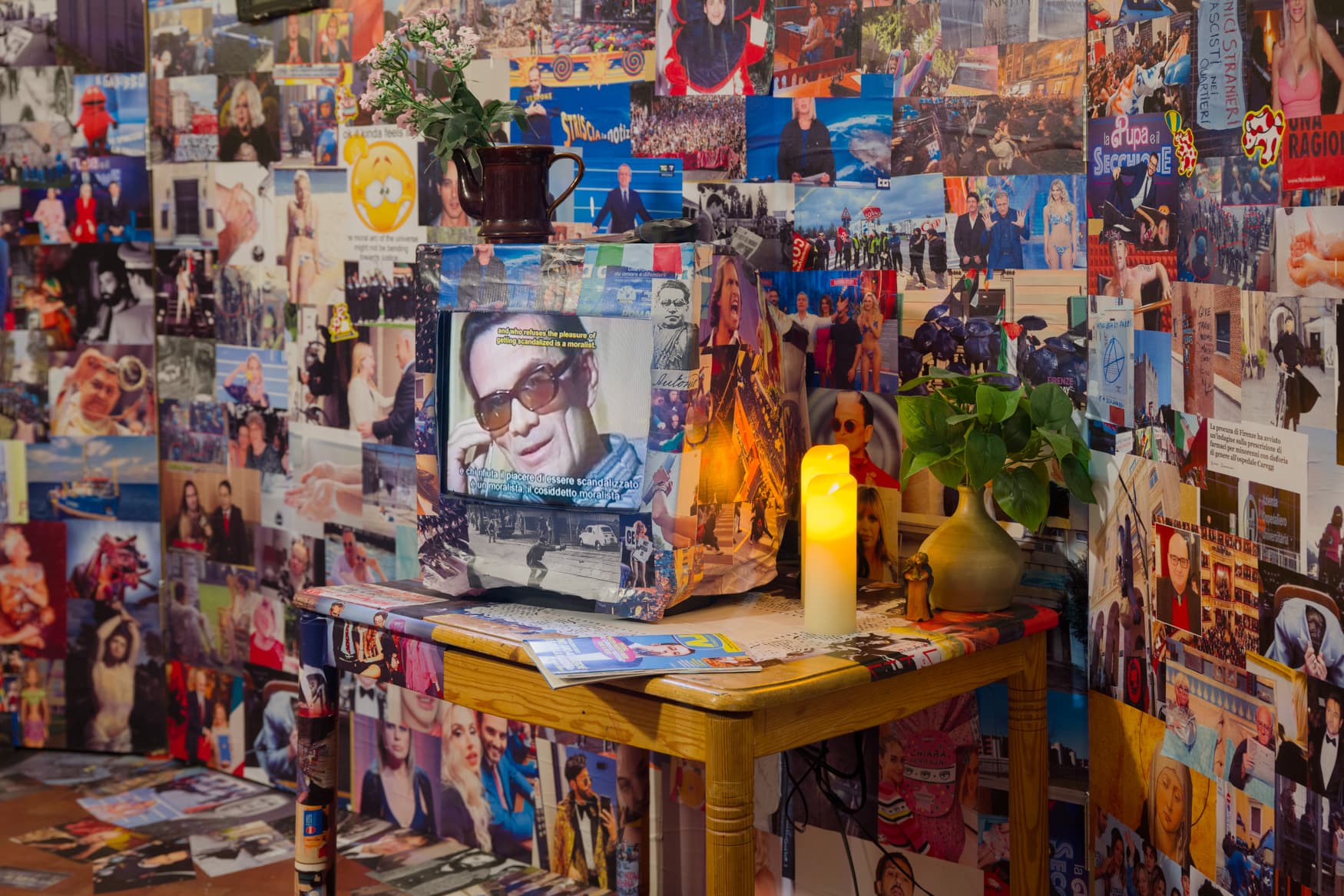
Graduation 2024. The screwing we’re getting is not worth the screwing we’re getting by Michelangelo Magnini. Photo by Tom Philip Janssen
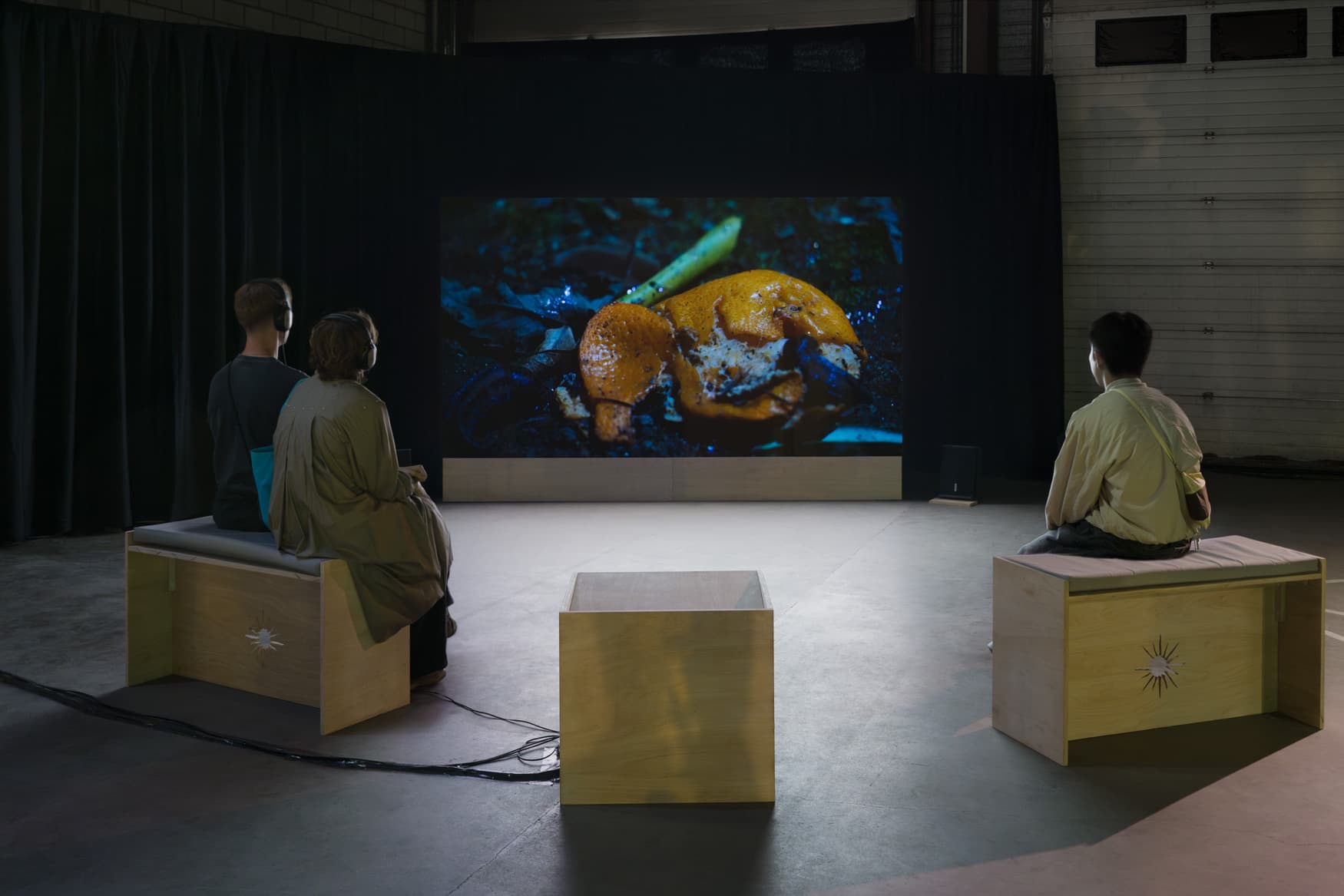
Graduation 2024. Coisas Que Eu Sei by Tomás Syder Queiroz. Photo by Tom Philip Janssen
Studying at the Design Department
Students of the Design Department apply to the programme with a project proposal, which becomes the starting point for a deeper inquiry of a subject matter or method. As students are critically reflecting on their own positions as designers, they often find themselves challenging and reformulating the very foundation of their design practice. The department sees its role in stimulating and nurturing this process, supporting students in tackling their challenges and in opening up toward new discoveries and unexpected collaborations.
As a full-time master's programme, the design course requires full commitment and attention. A study week usually consists of regular group classes and individual meetings (2 days per week) and time for self-study (2–3 days per week) during which students work on their individual research projects in the shared department studio, the workshops and the library. We furthermore plan extracurricular activities throughout the year. Invited artists, designers, and researchers contribute to the programme with their expertise by means of lectures, seminars, and workshops. Additionally the school provides manifold interdepartmental initiatives, which students are able to join during their self-study time. Students are expected to regularly and proactively visit the workshop facilities and share their explorations with the tutor team, during individual and group meetings and actively engage in peer exchange.
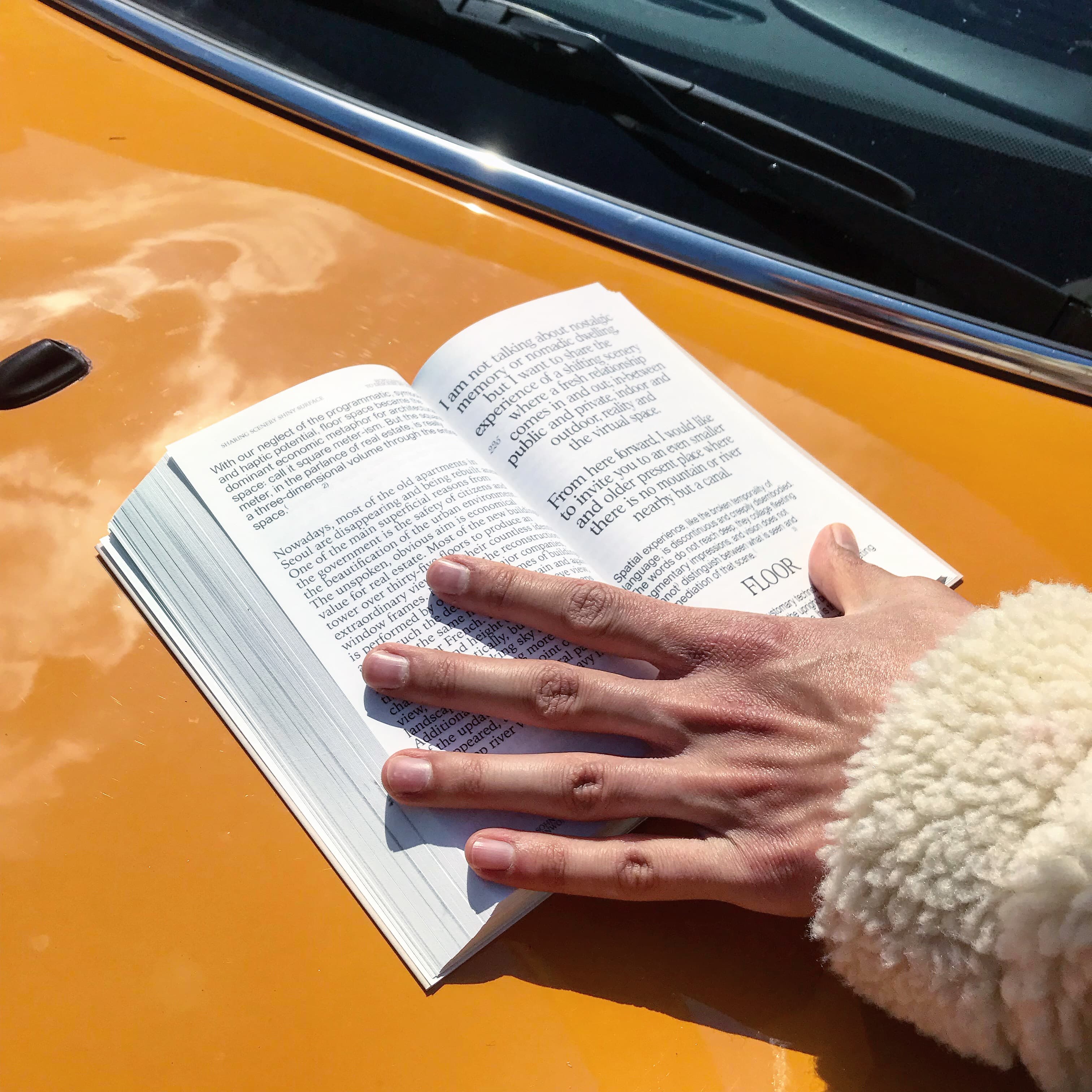
Next to individual and collective meetings with tutors, the writing trajectory for both the first- and the second-year students accompanies the ongoing research and making processes. The practice of writing helps students to work through obstacles, gain new insights, develop their own voices, and learn how to articulate their work.
We furthermore plan extracurricular activities throughout the year. Invited artists, designers, and researchers contribute to the programme with their expertise by means of lectures, seminars, and workshops.
For examples of student projects visit the graduation websites of 2024, 2023, 2022, 2021, 2020.
Open Day 2026 – Design
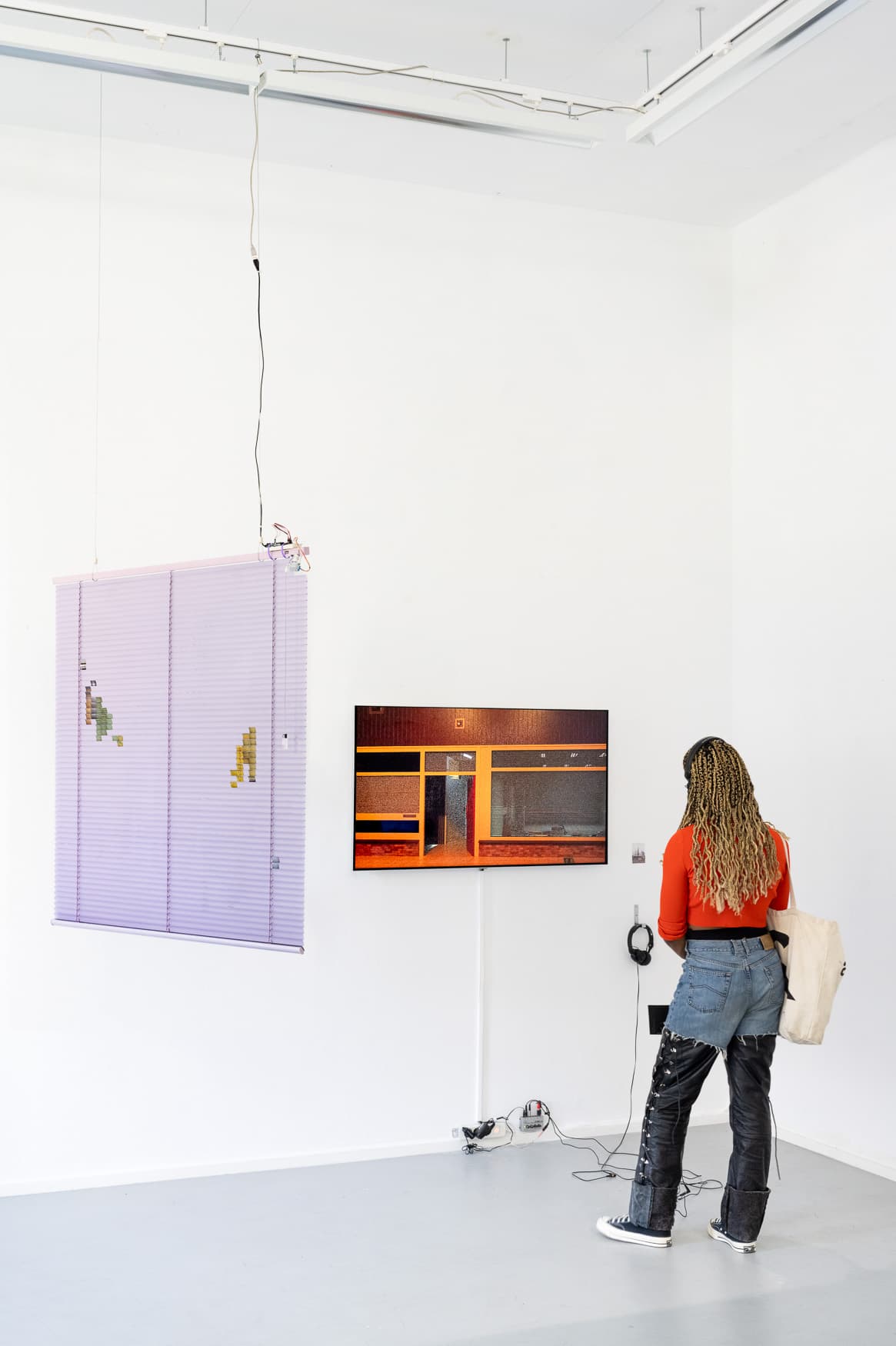
Graduation 2023. Nesting Materials by Rudi van Delden. Photo by Sander van Wettum.
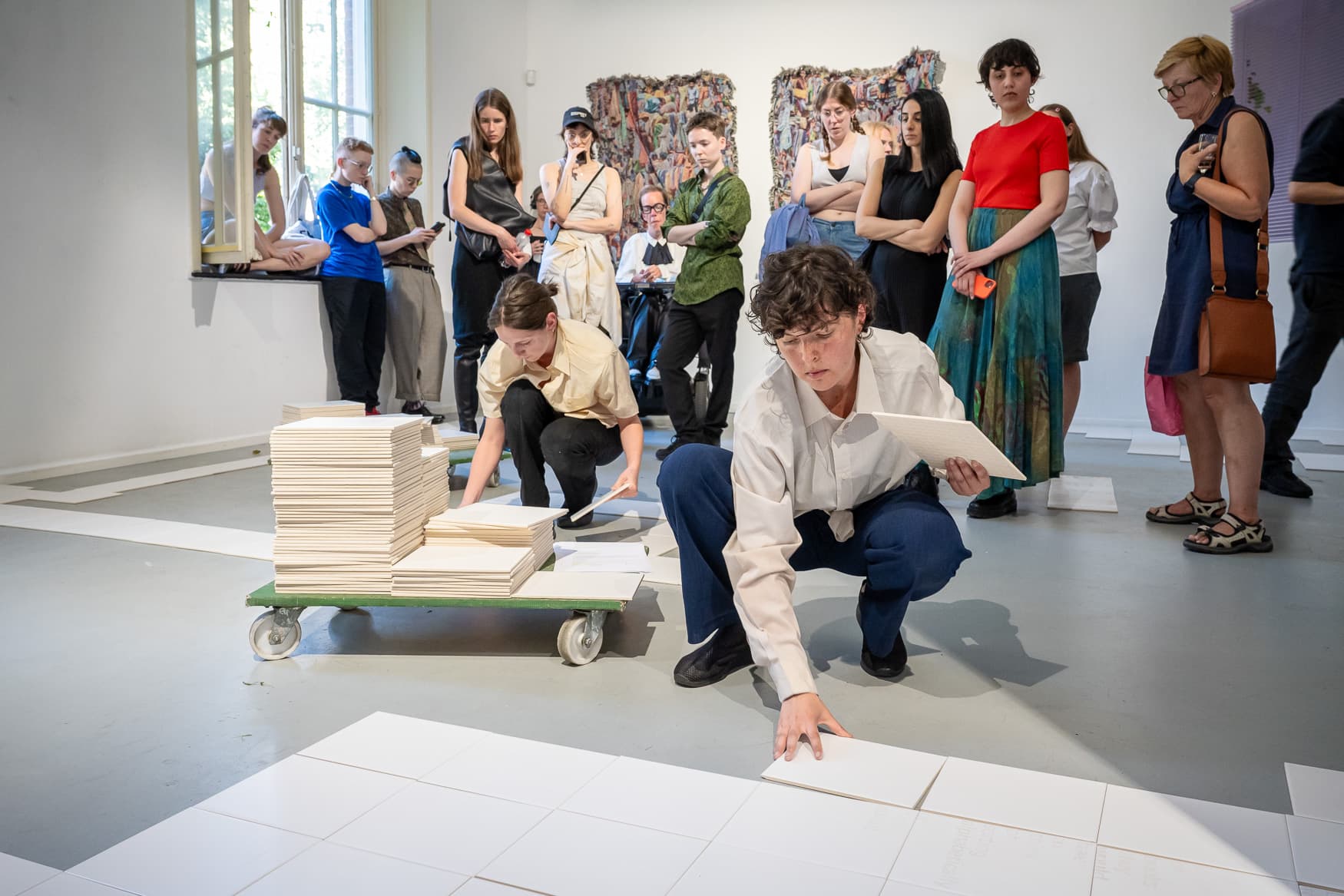
Graduation 2023. The setting will be by Katherina Gorodynska. Photo by Sander van Wettum.
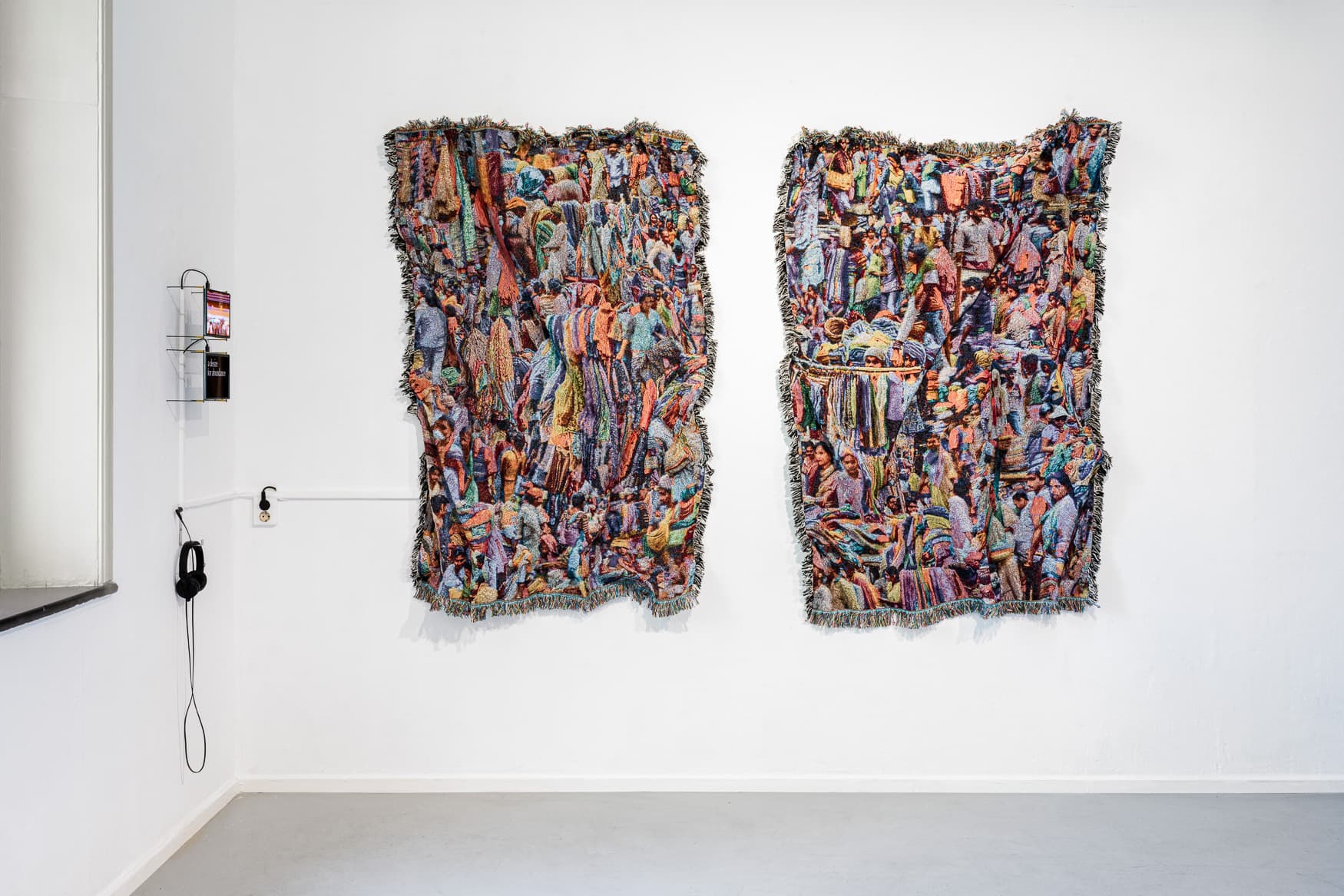
Graduation 2023. In Coalescence of Excess by Akash Sheshadri. Photo by Sander van Wettum.
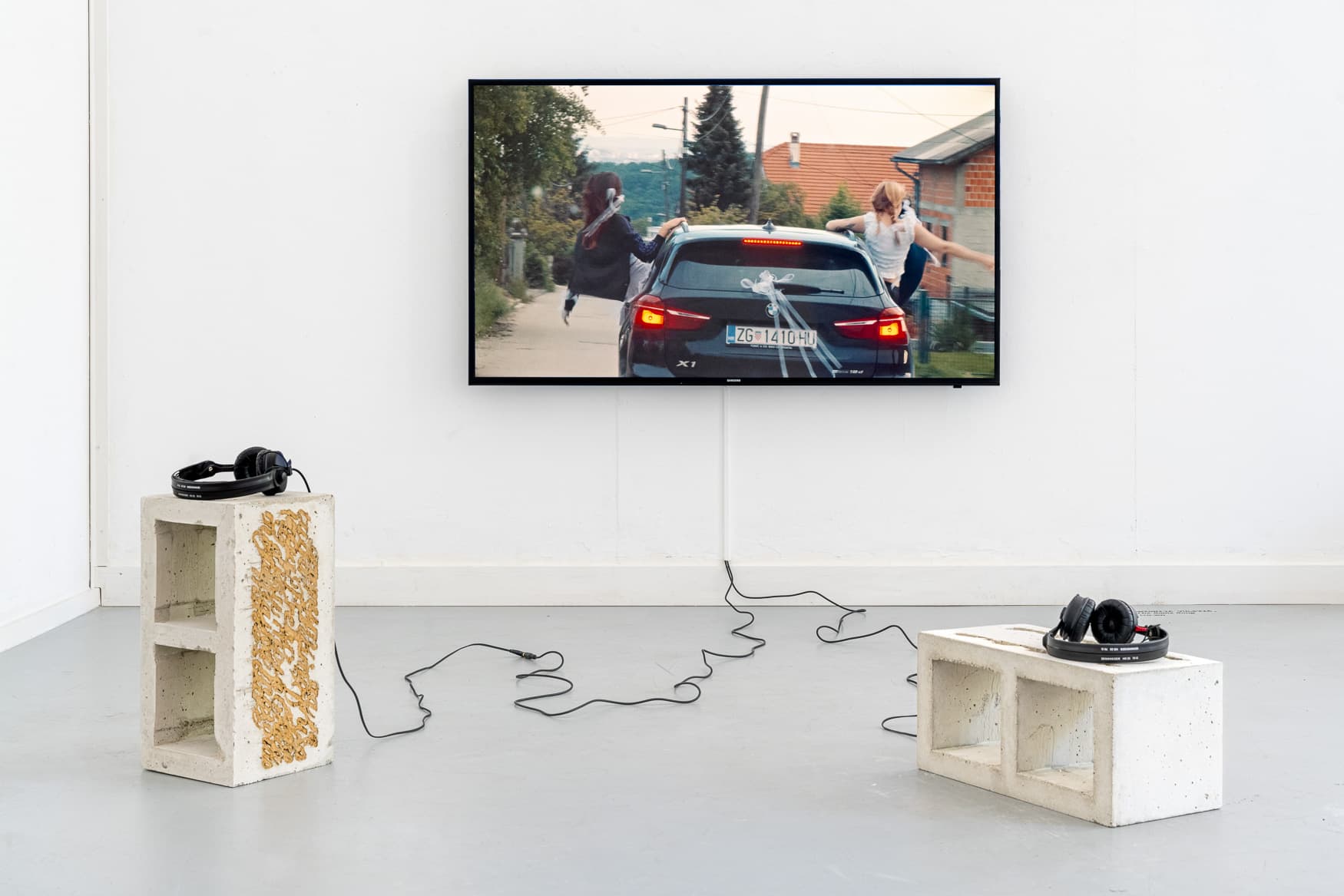
Graduation 2023. “A dream is a mirror…” by Antonija Vuletić. Photo by Sander van Wettum.
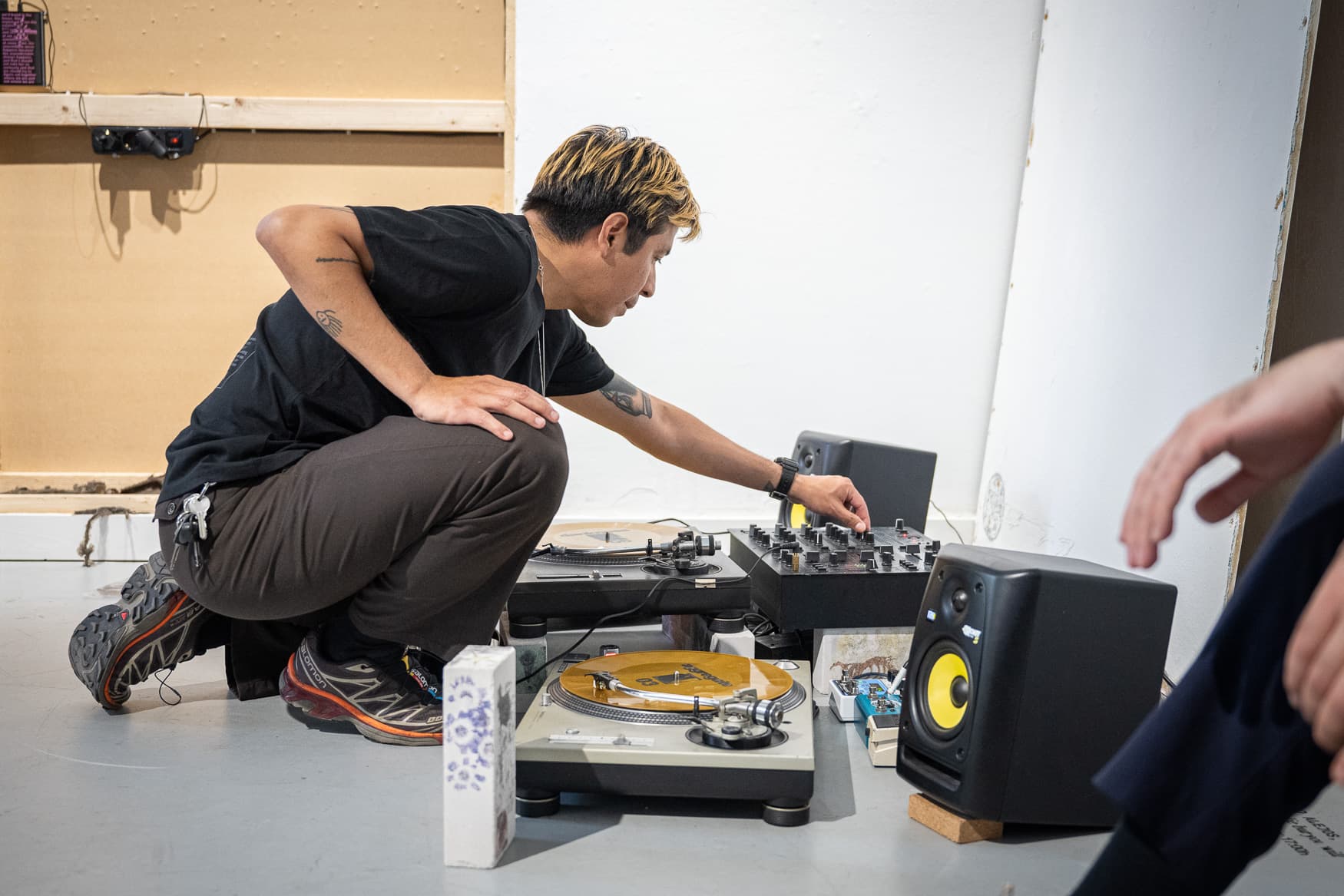
Graduation 2023. Remnants will never die but you will by Jonathan Castro. Photo by Sander van Wetumm.
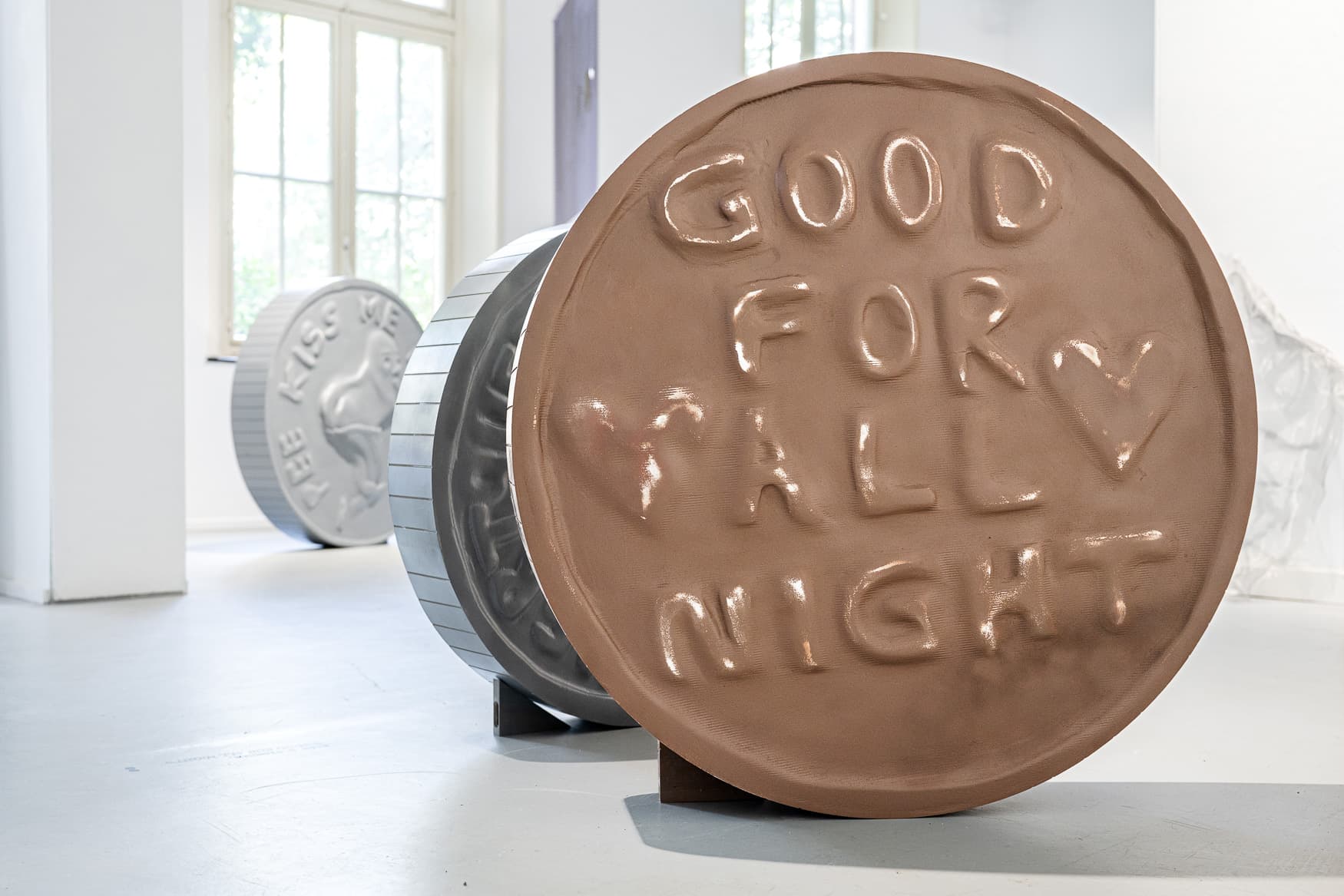
Graduation 2023. ♡GOOD FOR ALL NIGHT♡ by Seán O’Riordan. Photo by Sander van Wettum.

Current participants
Smilla Tettenborn
Class of 2027
Salomea Wörner
Class of 2027
Lea Dittmann
Class of 2027
Mateusz Juras
Class of 2027
Lucas Huikeshoven
Class of 2027
Elzė Vilkelytė
Class of 2027
Nadja Orkić
Class of 2027
Nomita Anne Saldanha
Class of 2027
Ewa Perlińska
Class of 2027
Mina Kamburova
Class of 2027
Pedro Loureiro
Class of 2027
Robin Netherton
Class of 2027
Tine Kerres
Class of 2026
Sadie van Breemen
Class of 2026
Beatrice Cauda
Class of 2026
Adele Stroh
Class of 2026
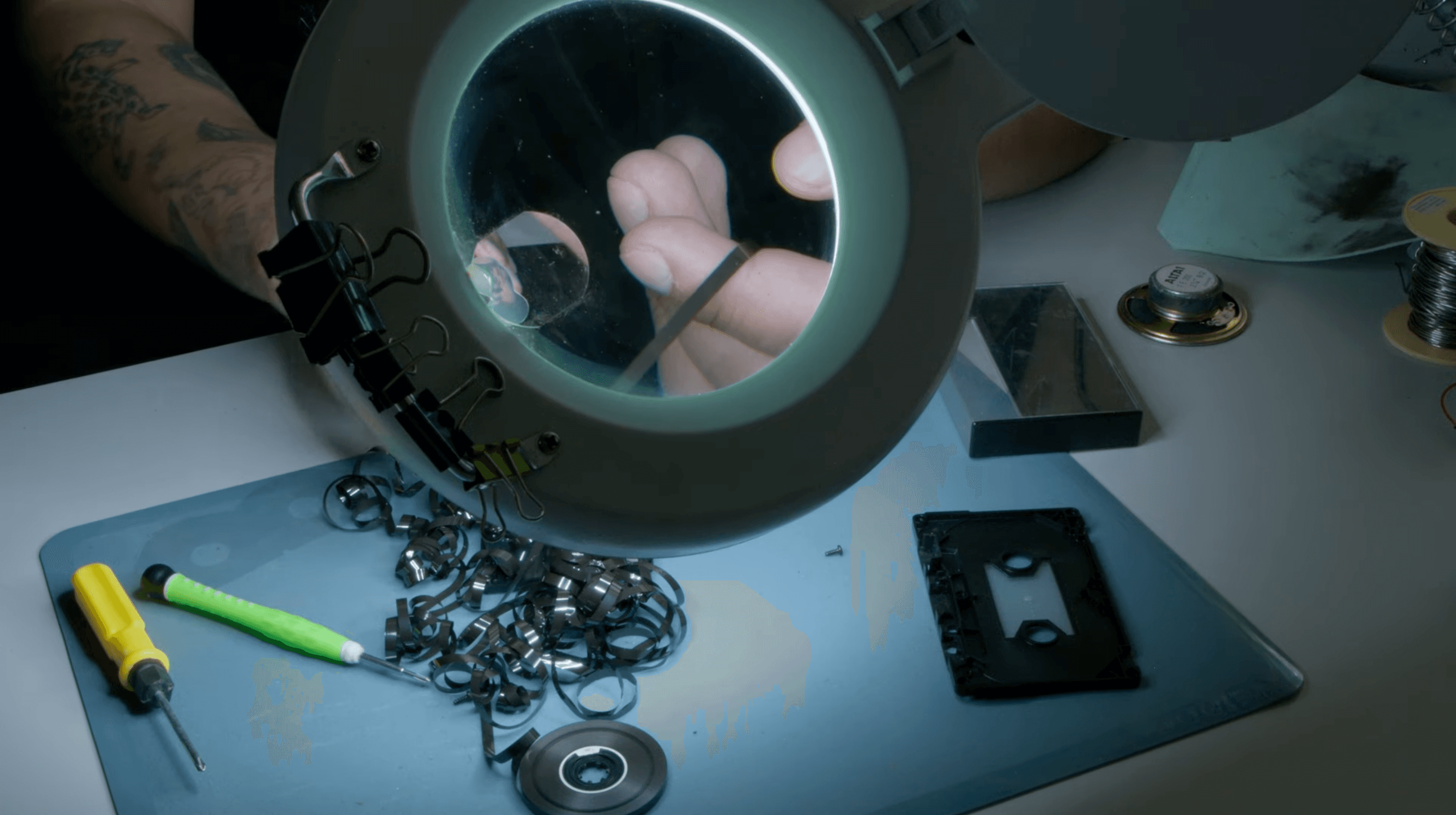
Sebastián Vásquez Cipriani
Class of 2026
Giselle Dahm
Class of 2026
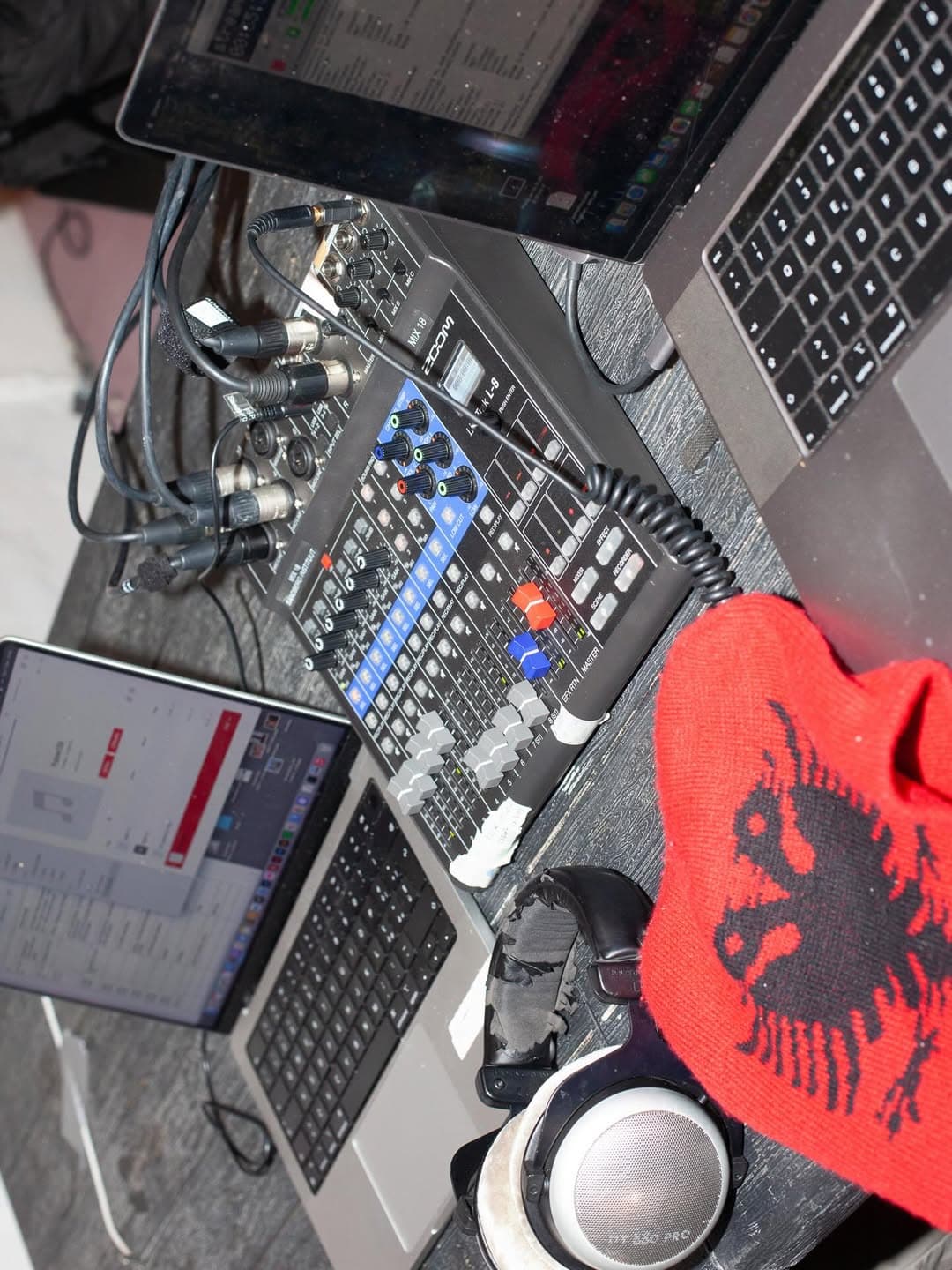
Chiara Benevolo
Class of 2026
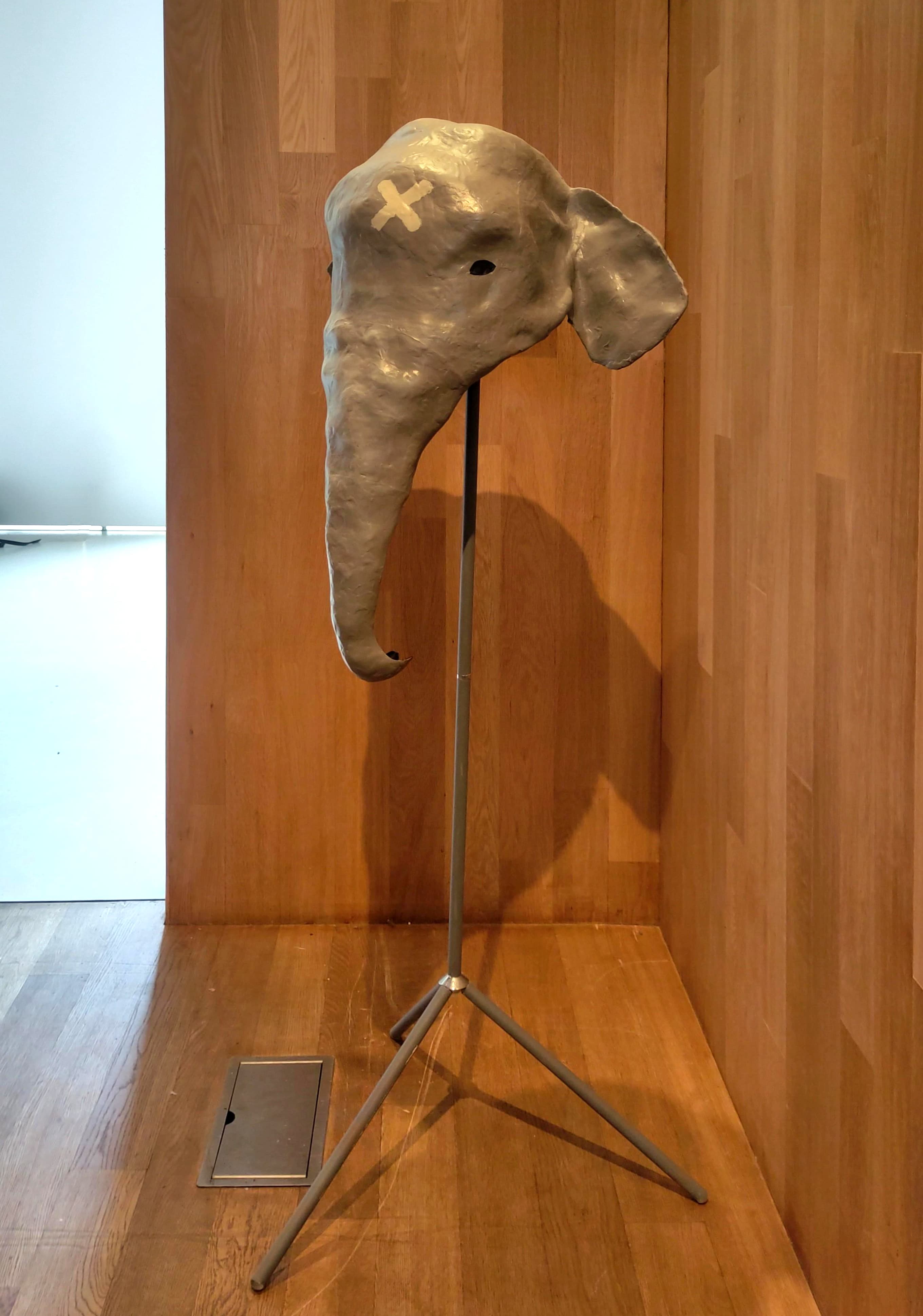
Asya Sukhorukova
Class of 2026
John Haag
Class of 2026
Duy Nguyen
Class of 2027
Stan Wiersma
Class of 2026
Olga Elliot
Class of 2026
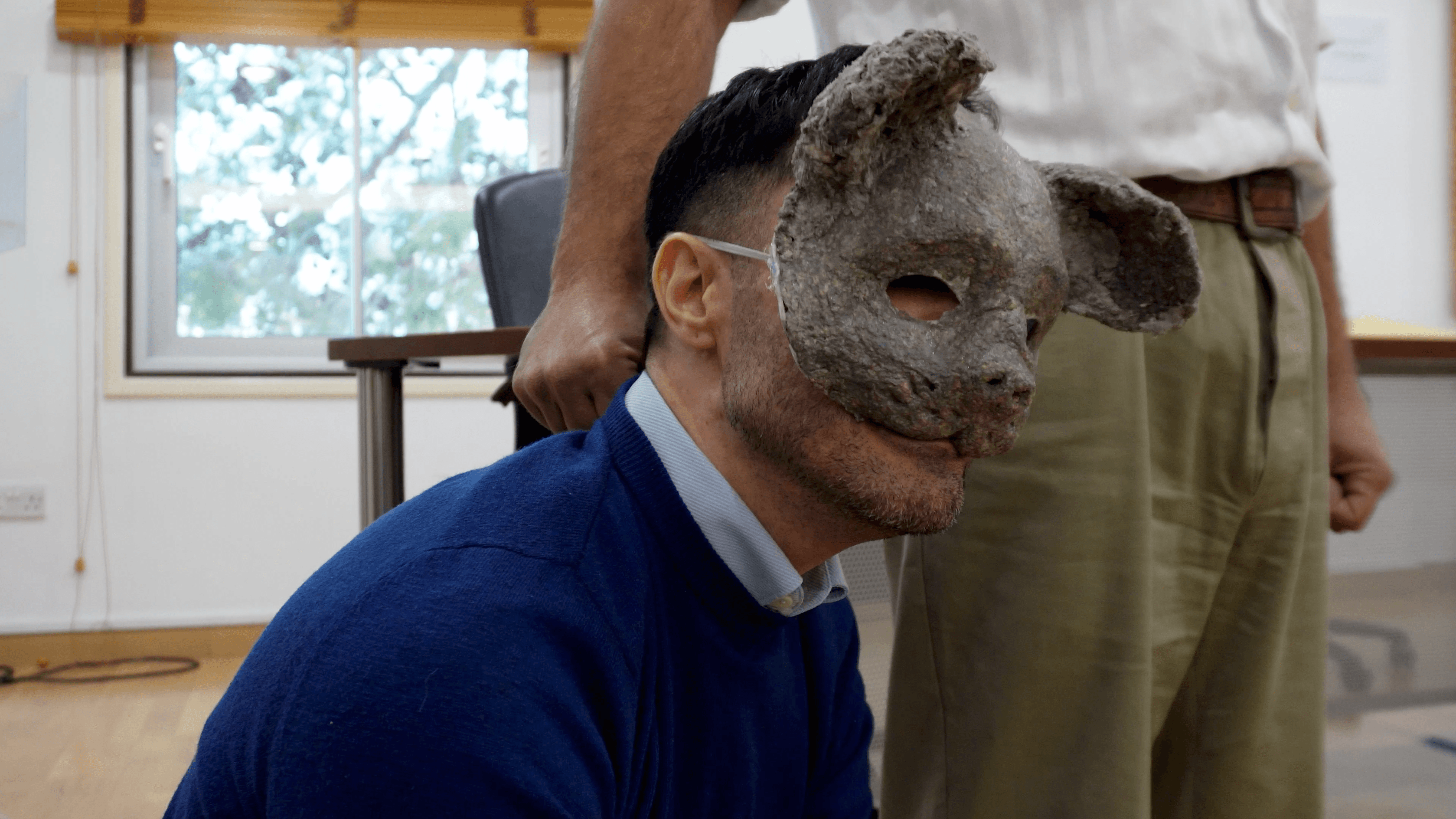
Doris Mari Demetriadou
Class of 2026
Related events

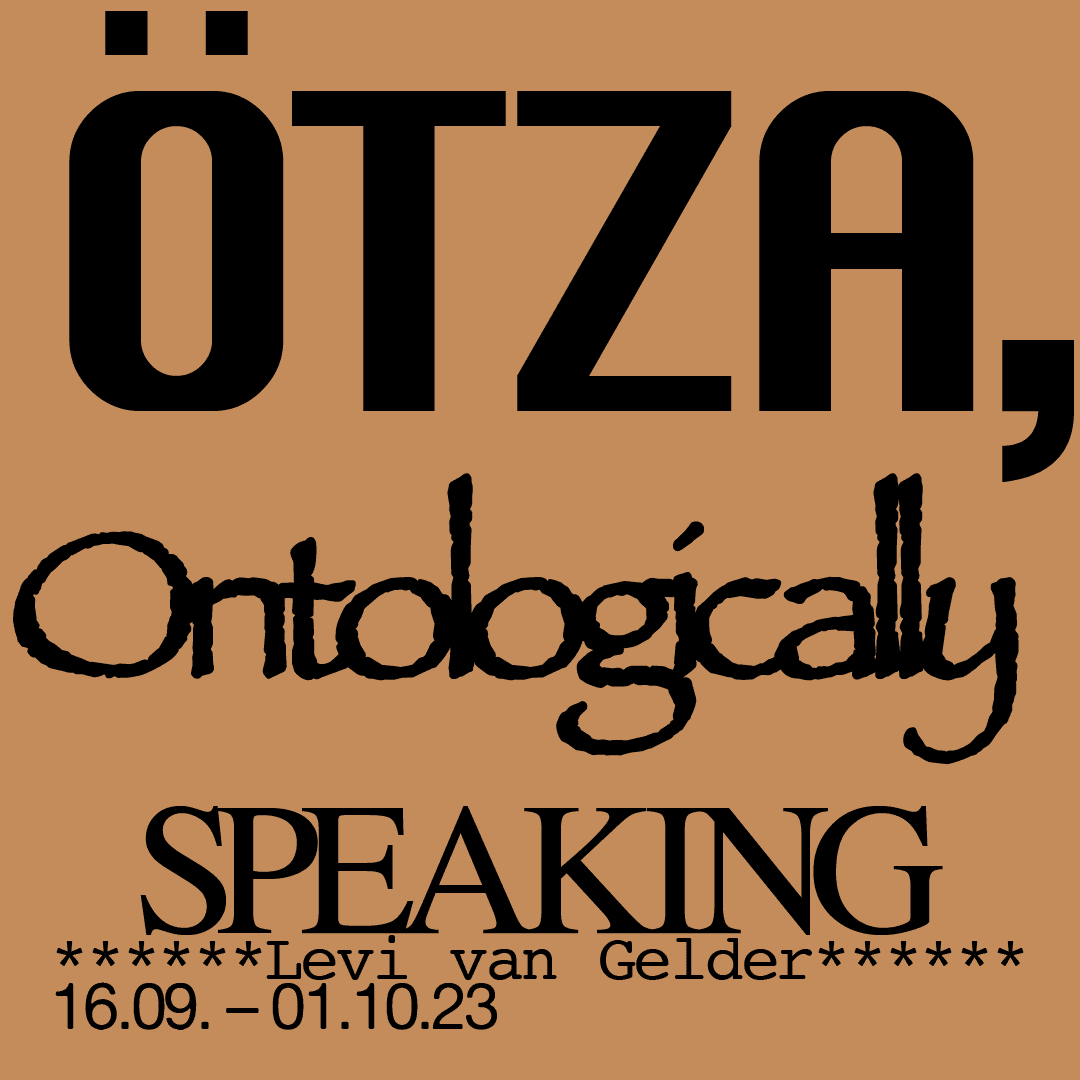
Archive
Issue 10
Giselle Dahm
Issue 10
Issue 10
I was thinking along those lines
Giselle Dahm
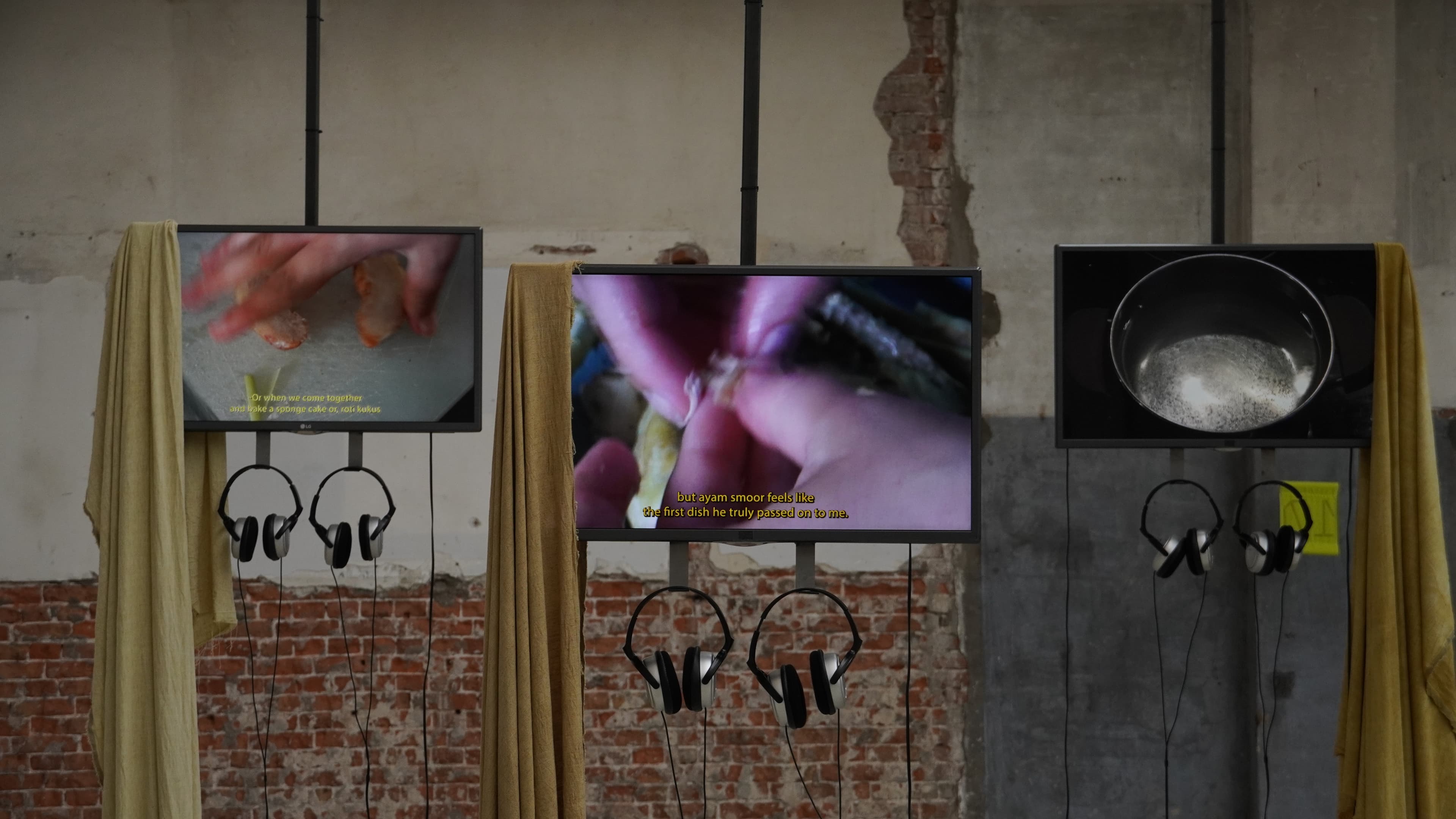
Wat verdwijnt er in de Soep?
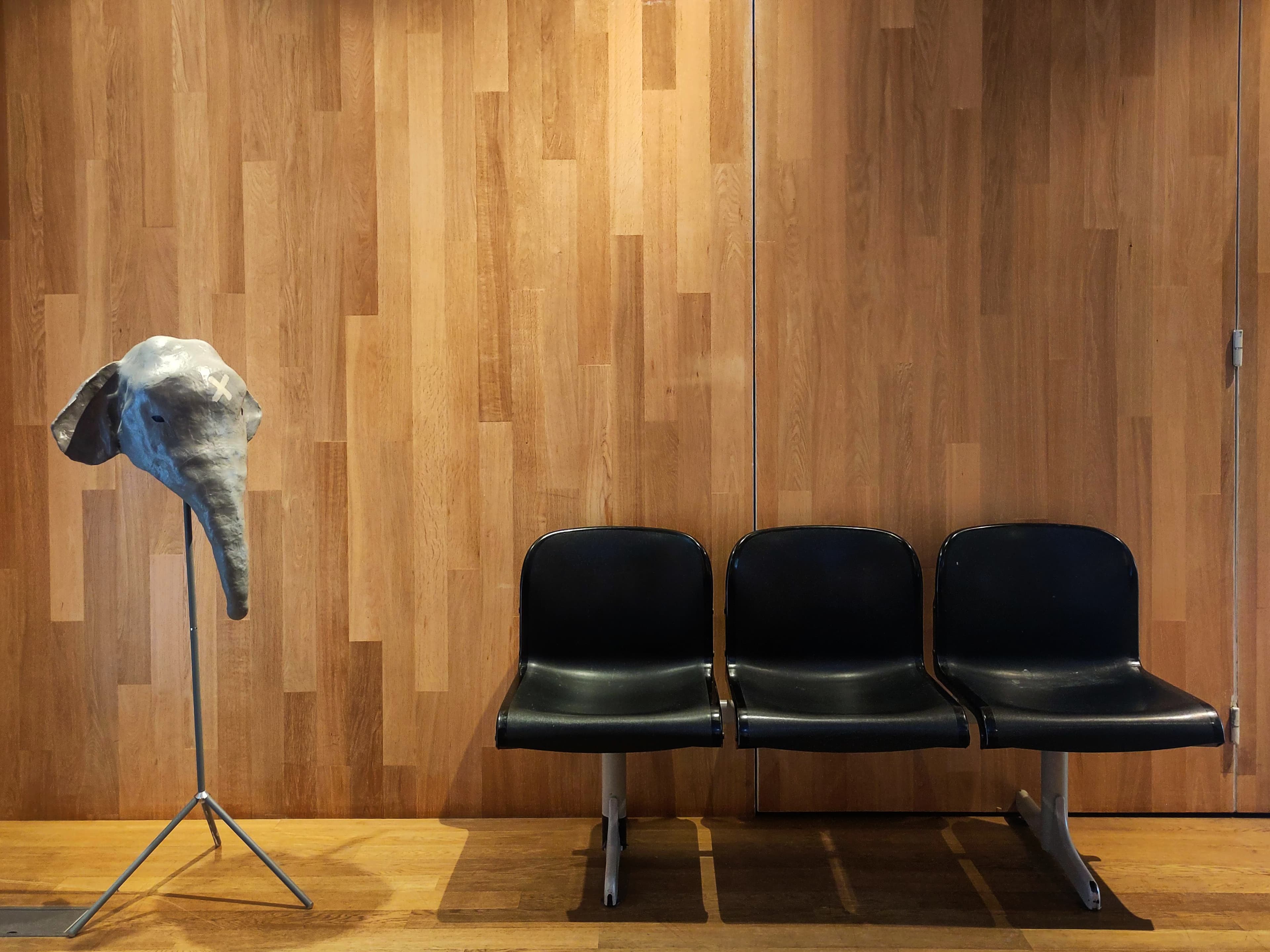
Happy Integration
Asya Sukhorukova
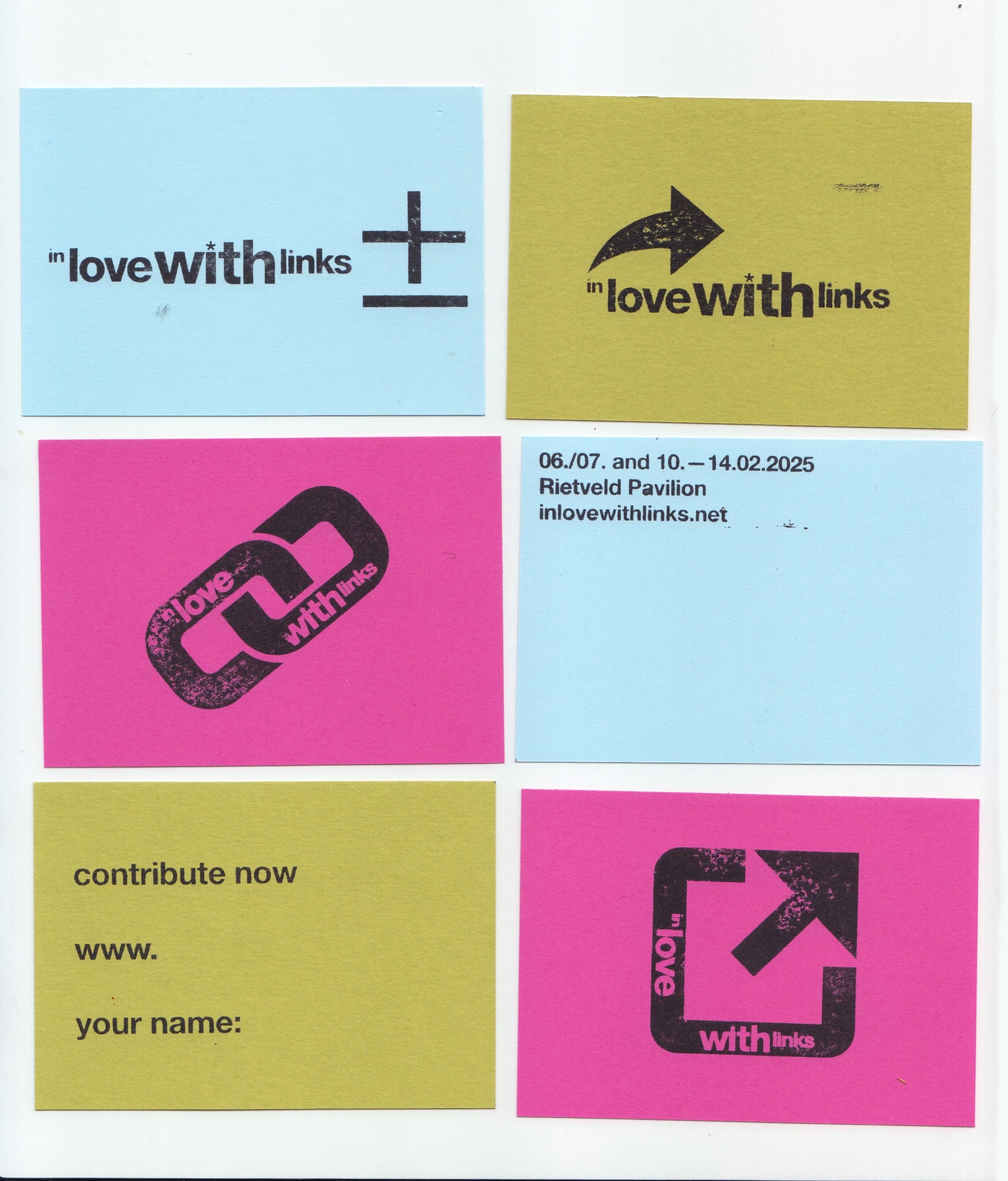
in love with links
John Haag
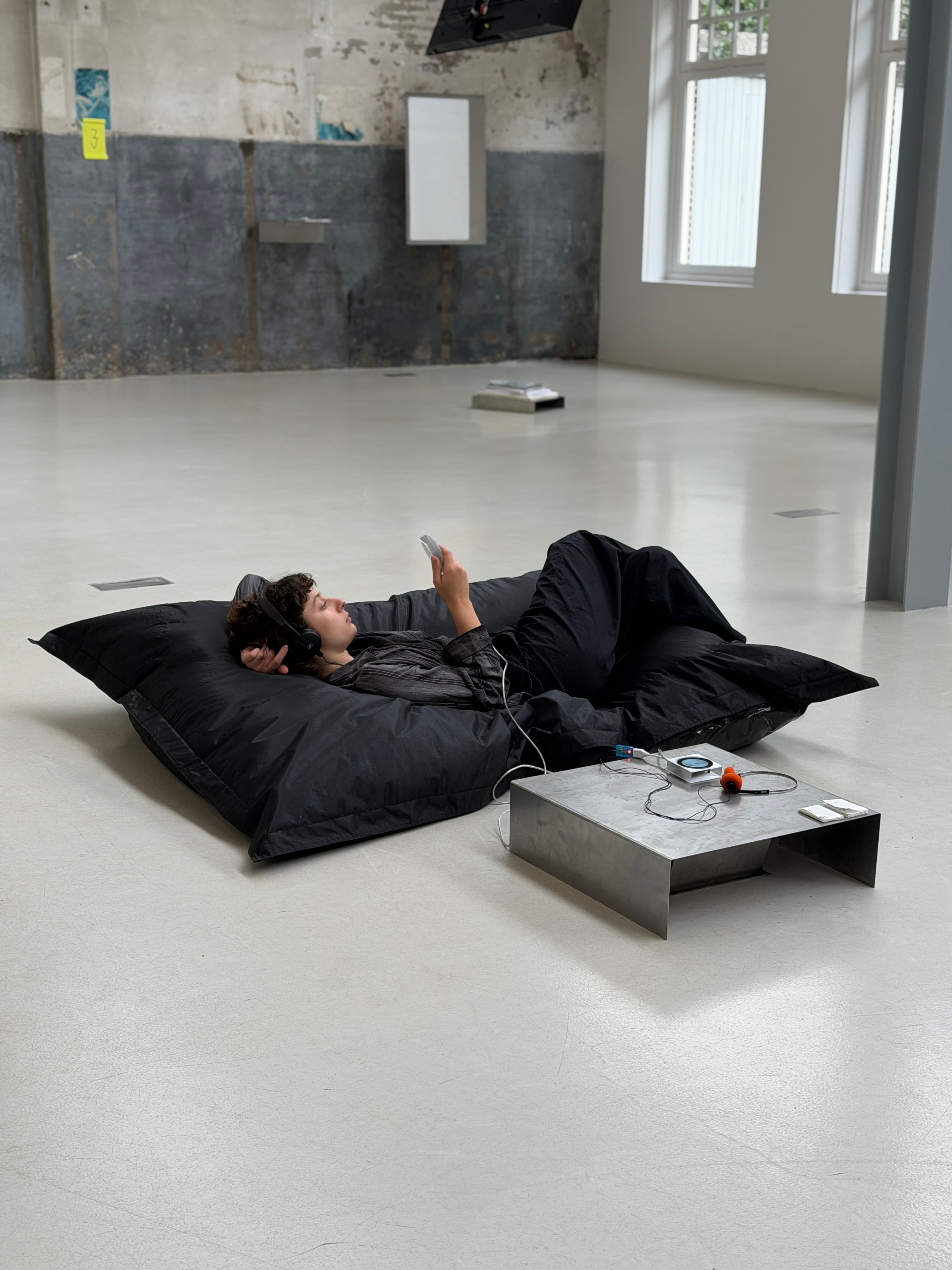
「play, listen, share, repeat」
John Haag
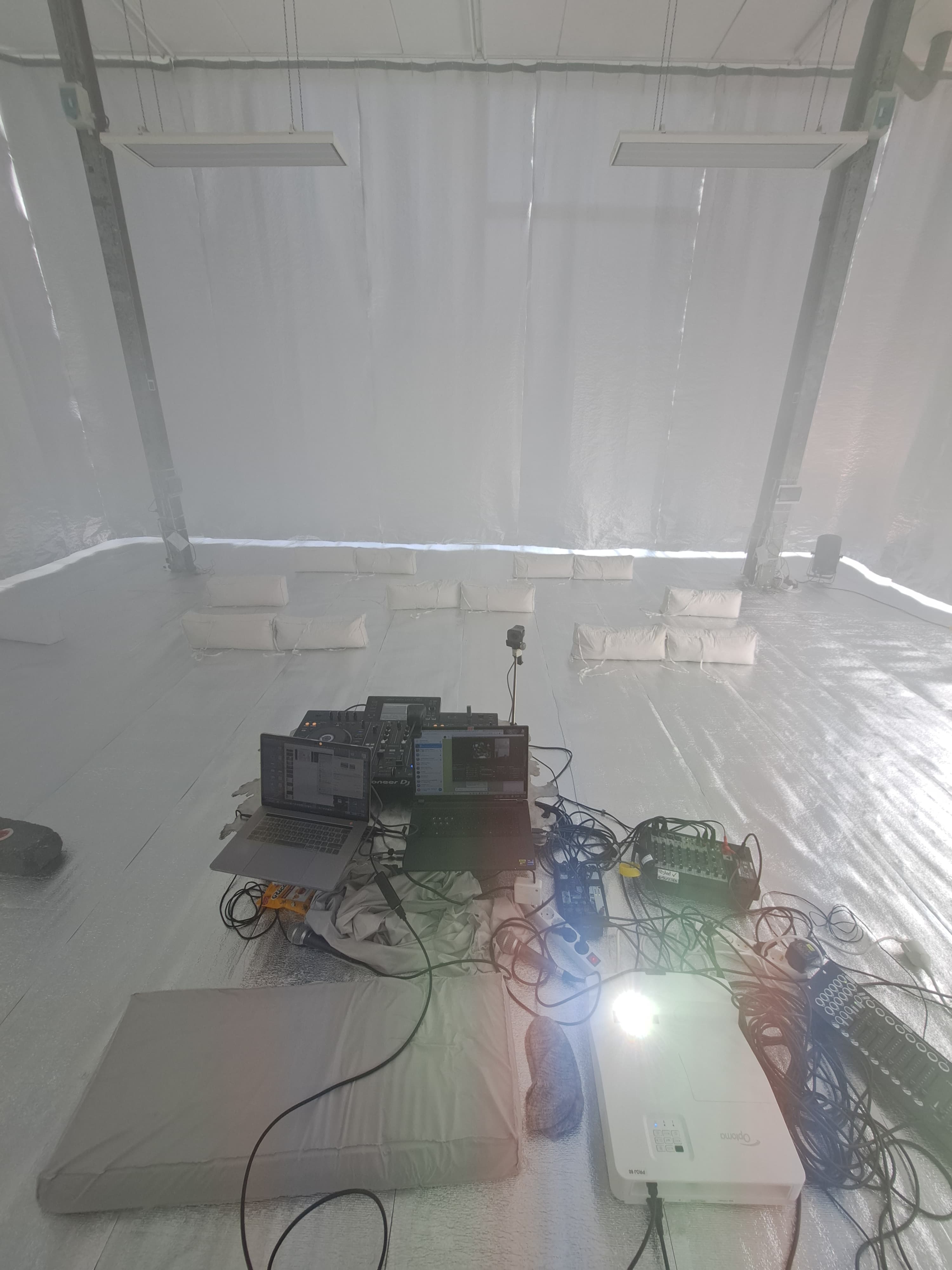
The Algorithmic Altar
Adele Stroh
Local Lore
Adele Stroh
Chasing Phantoms
Stan Wiersma
A cluster of bodies seeking to be nested,
Doris Mari Demetriadou
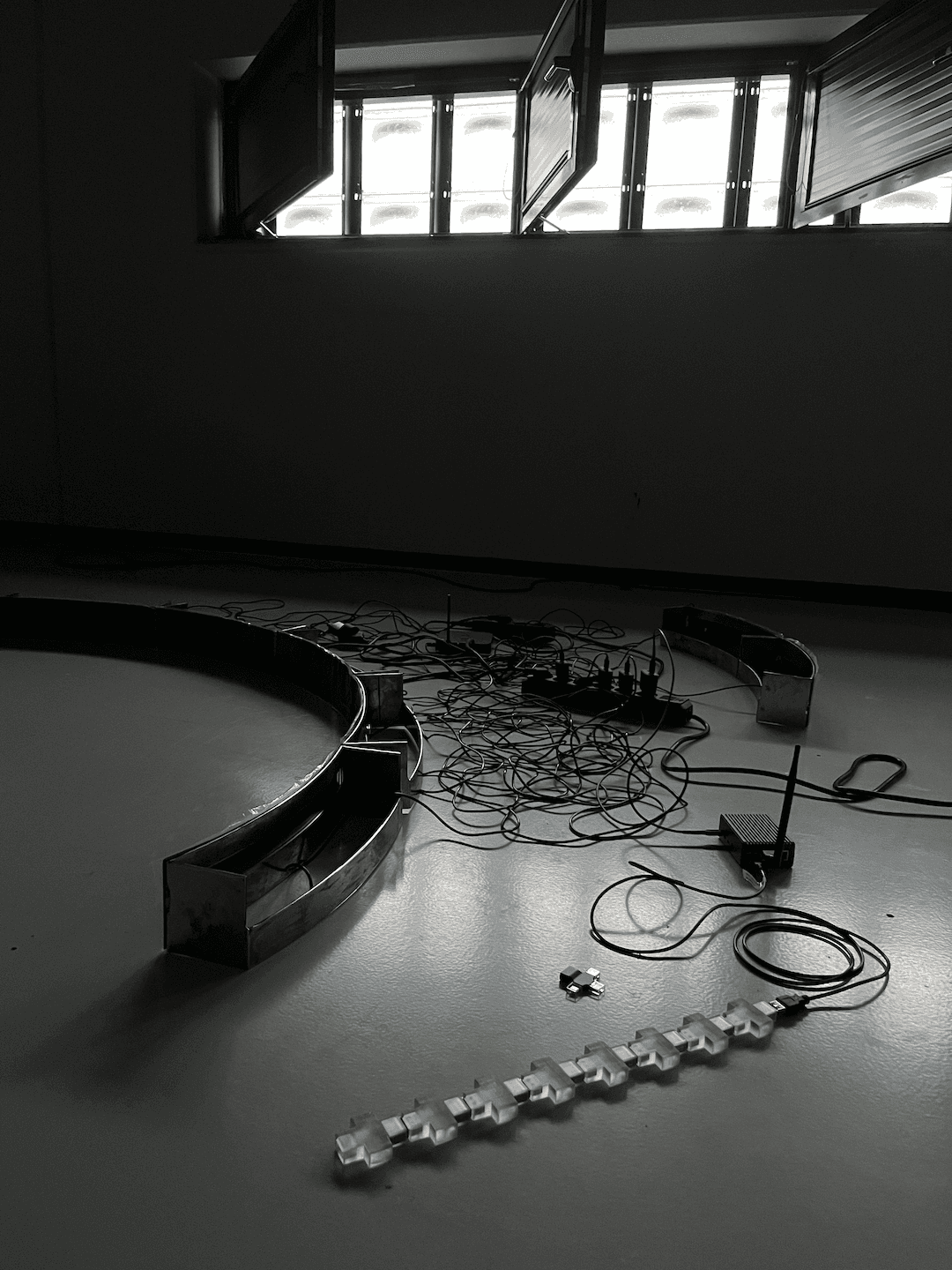
you were never meant to beat what was built to win
Tine Kerres
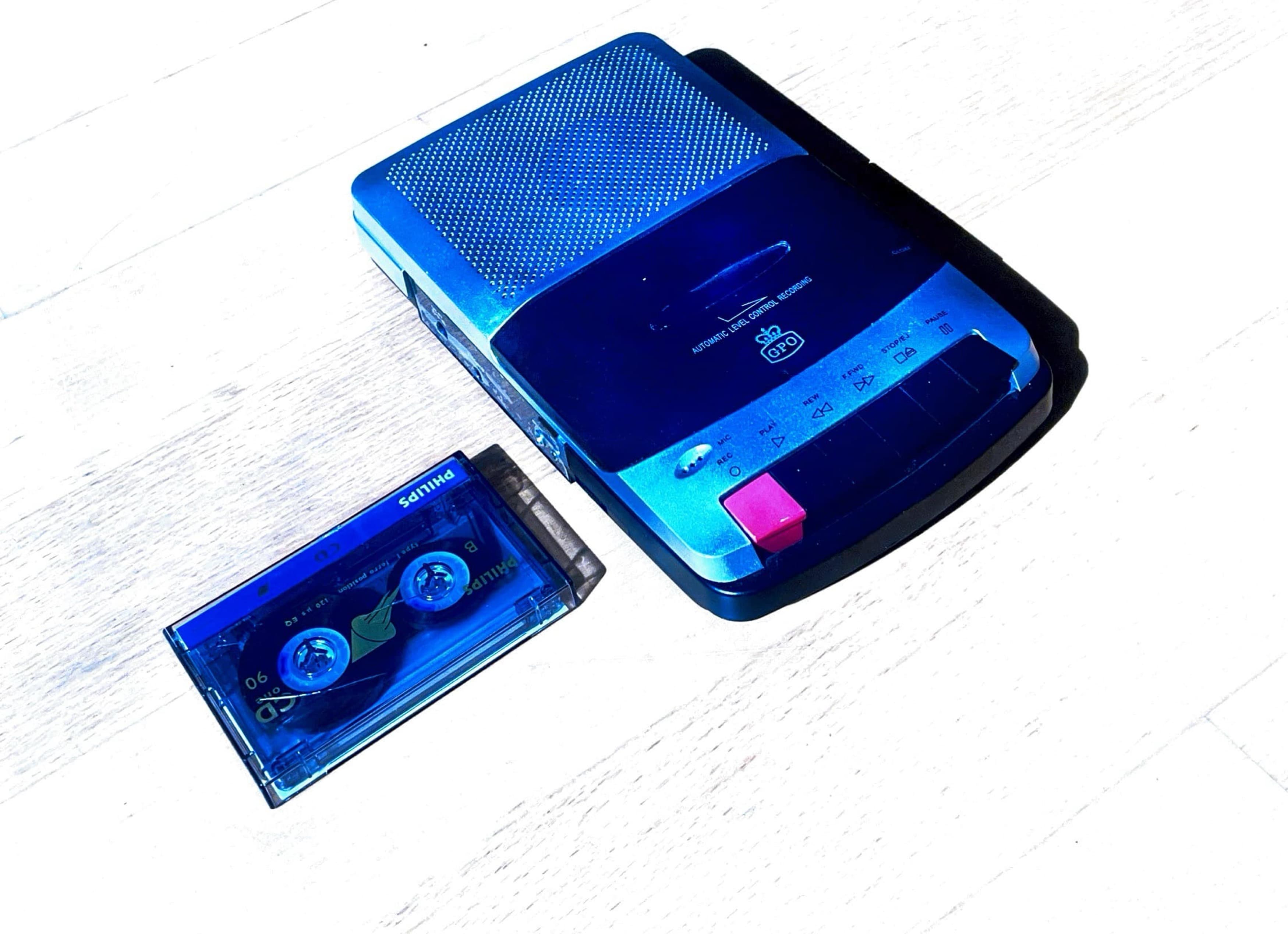
Familiar sounds & other ghost stories
Sebastián Vásquez Cipriani
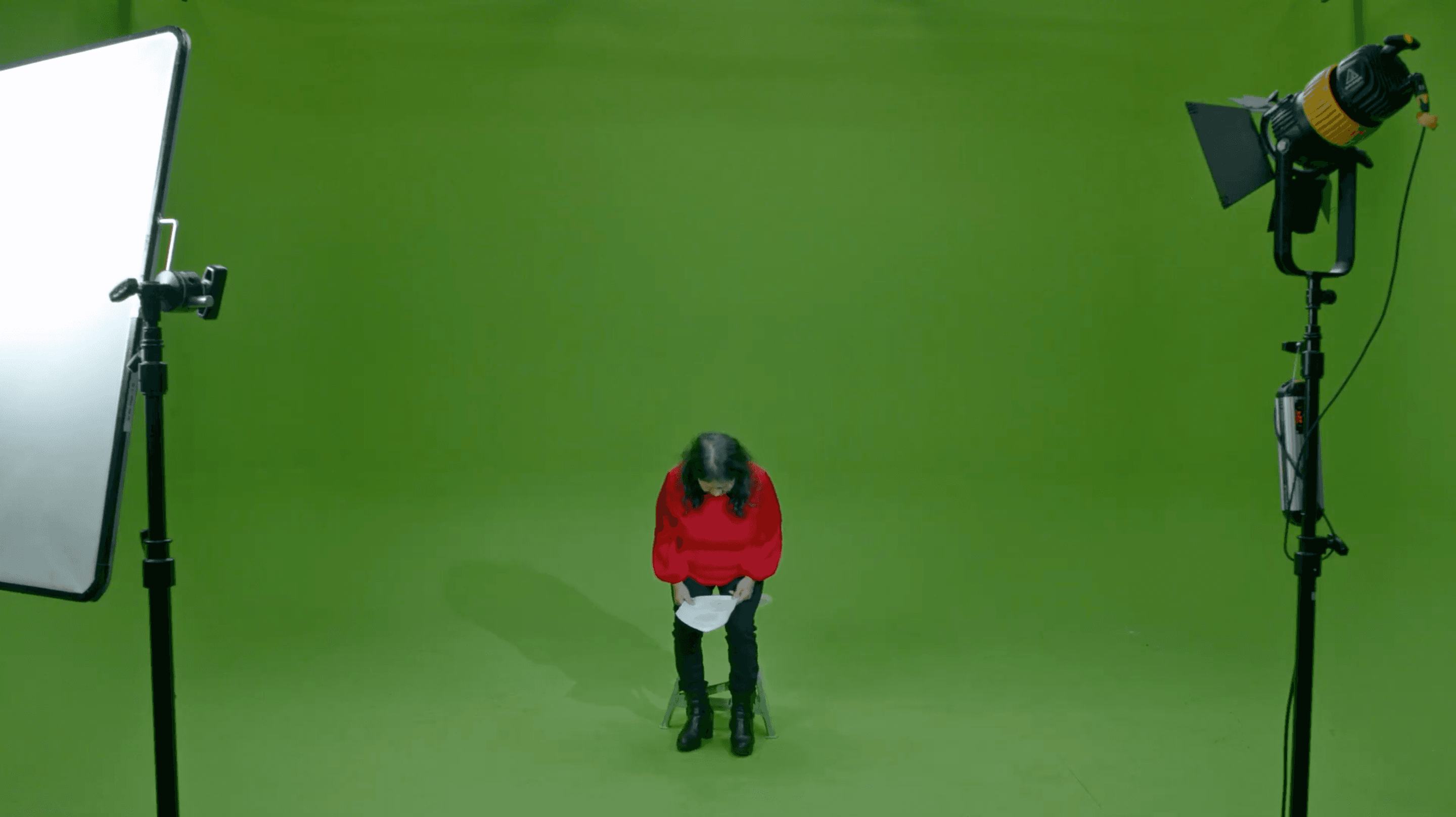
Screen Test
Sebastián Vásquez Cipriani
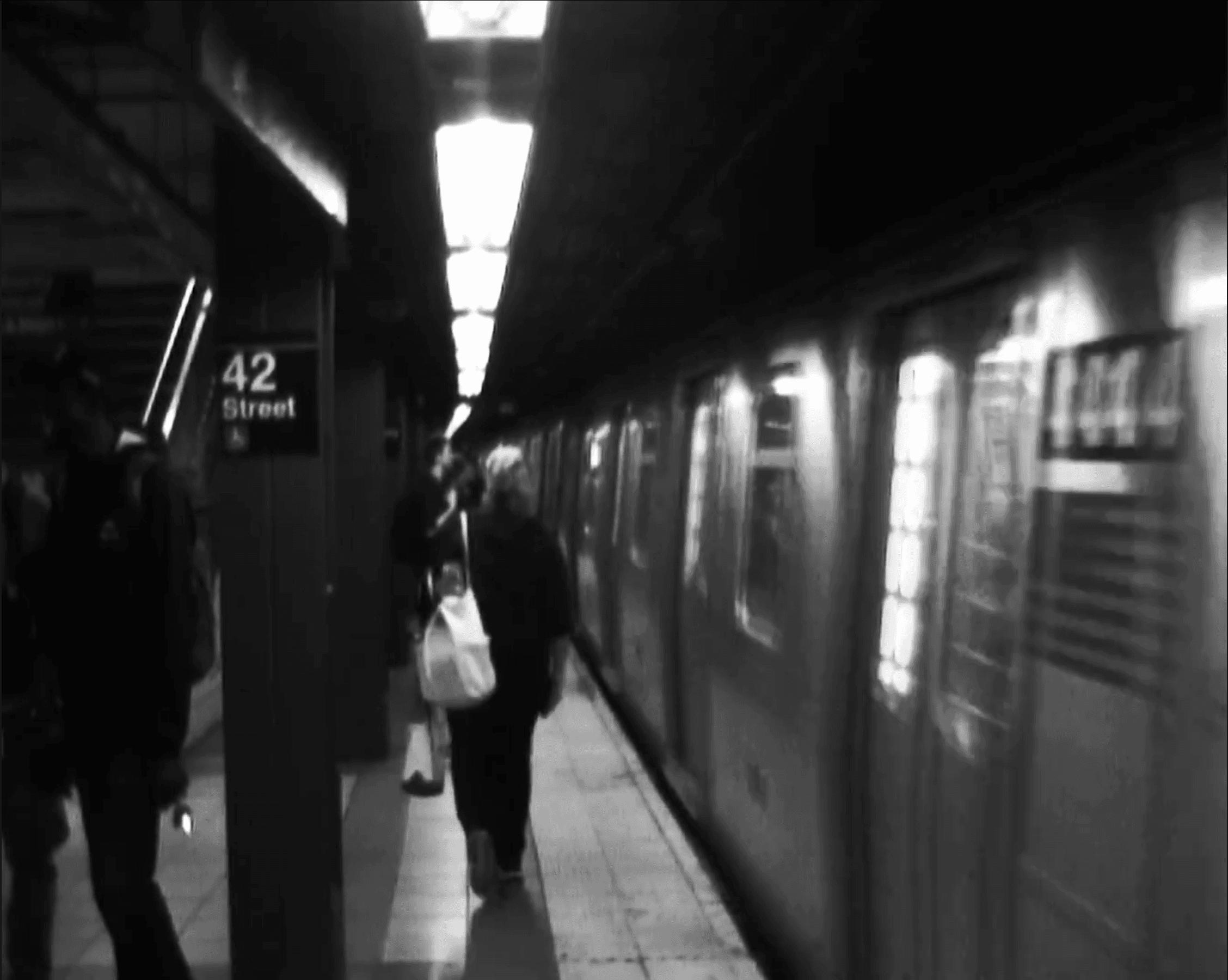
Underground enthusiast
Sebastián Vásquez Cipriani
Familiar voices can be found in the strangest of places
Sebastián Vásquez Cipriani
A Special Coincidence
Olga Elliot
GEMSTONES
Sadie van Breemen
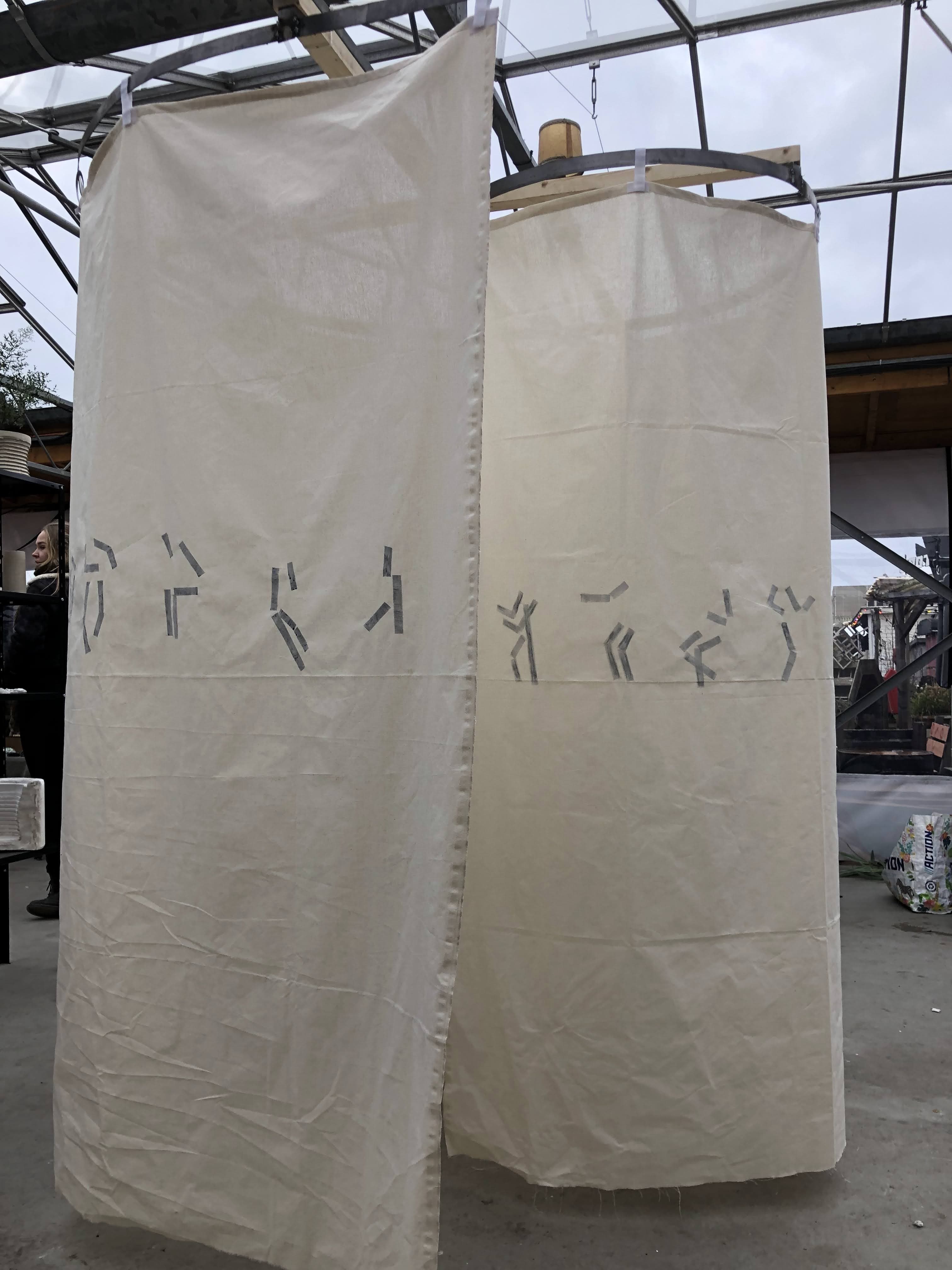
The Waiting Society Sequence
Sadie van Breemen