Temporary department
Phantom Scores
Phantom Scores is the new two-year temporary Master's programme held by Sandberg Instituut in collaboration with If I Can’t Dance, I Don’t Want To Be Part Of Your Revolution and led by curator and researcher Eva Posas. The programme intersects and builds on Eva's research on Phantom Languages within the context of Nations Without State, and the work done by If I Can’t Dance over the past 20 years in the field of performance and performativity.
The programme aims to explore the rich and interdisciplinary field of performance as a research methodology through the phantoms that live in and outside us. These phantoms bring forth experiences of repression, either on an individual or collective level, at moments of feeling caught in a world that rejects their forms of knowing and expression. Between the visible and the invisible, scores register, carry and instigate manifestations. Phantom Scores addresses the impalpable and yet present set of suggestions, actions and knowledge inscribed within bodies, their genealogies, behaviours and relations.
Phantoms
People oppressed by colonial, capitalist and patriarchal forces have faced epistemic violence, often leading to the repression and eventual disappearance of their languages and knowledge systems. However, language still performs, still vibrates through corporeal encounters within the ritualised practices of a community, transcending linguistic barriers. This is how MA Head Eva Posas has conceptualised Phantom Languages in recent years: languages that exist beyond words, holding a secret collective agreement, embodying intergenerational knowledge.They represent the part of a mother tongue that is learned through sensual encounters, moving from body to body as political gestures of resistance that connect us within communities. Even when we might lose the words that our predecessors spoke, their phantoms resonate through us, with us and our ways of being in the world. Arising specifically from the context of colonised and repressed ways of life and language within the context of Nations Without State, in the MA, this concept branches out to consider multiple ways in which these phantoms exist and resist.
Phantom Scores sets out to explore the ways bodies incarnate knowledges of many worlds. Participants in the programme will go look for the phantoms that are constantly performed in everyday life, often unaware, through objects, actions, rituals, and gestures—felt, represented and shared. Embodying the interplay between body and environment, they create a threshold, a lifeline between the verbal and the nonverbal, the material and the immaterial.
The MA aims to equip participants with tools to engage with the unseen, unacknowledged, erased, disappeared and yet still here. The programme brings together research and art practices of the undisciplined, de-genred intersections of performance studies, heart epistemologies, anti-colonial and anti-racist thinking, lived experience, situated knowledge, critical theories and DIY technologies. Through the crossing of all these practices and forms of feeling-thinking, the programme offers participants an expansive vocabulary and set of methods to sharpen with their phantom tongues.
Scores
Established in 2005, Amsterdam-based If I Can’t Dance, I Don’t Want To Be Part Of Your Revolution is an art organisation dedicated to exploring the evolution and typology of performance and performativity in contemporary art. Throughout the years, If Can’t Dance has developed an expanded definition of performance not as a fixed artistic discipline, but as a methodology and an expansive field of research. This understanding moves beyond the presence of bodies in space to acknowledge the performativity of objects, the politics of relationality, the dynamics of context and temporality, and the dispersed, embodied repertoires of practices through which meaning is produced.
In this context, scores are not merely understood as devices for the reproduction of performance work. The etymology of the term relates to the verb “to cut” and refers to the abstraction of bodily acts into modes of notation; its Norse origins point to notch-making that stood in for a set amount of counted entities—the score as a bodily act of tallying. Scores embody acts of transfer: from the interpretation of instructions and scripts to the carrying out of rituals; from forms of corporeal literacy passed down through daily gestures, routines, and habits to algorithms understood as fixed sets of procedures or instructions to be executed. Phantom Scores engages with the complex entanglement of scores and the bodies that register, carry and re-perform them, and considers how this relation is not linear but recursive and generative—open to transformation over time.
Some of the questions that Phantom Scores will open up are: How do we engage with and through the body, attuning to perceptions beyond ableist, normative, and imperialist paradigms? What challenges arise in imaginative processes and artistic production as we strive to bring visibility to and ally with those who struggle? How can we share our struggles, using performance tactics to voice what we can’t say, what we hesitate to express, what remains absent in a corporeal language? How might we (re)produce memories that haunt us, phantoms that demand justice and affirms our right to joy, despite everything?
Who is this for?
Participants in this programme engage in artistic, curatorial and socially-oriented interdisciplinary practices. We welcome persons from wide-ranging disciplines, crafts and practices who want to think and activate against oppressive systems and social structures by immersing themselves with performance strategies. Whether you come from a background in the arts, music, humanities, or any other field, if you carry a phantom with you and are interested in expanding your own practice through performance methodologies and ways of engaging with knowledge production and dissemination, we encourage you to join us. Therefore, it is crucial to approach the programme with a specific research question or project in mind—one that reflects a concern that haunts you and an issue you aim to tackle. We seek people who are eager to contribute to both collective collaborations and individual efforts.
This master's programme aims to collaboratively develop a toolbox of research methods that integrates questions of performance and performativity into the participants’ practices. We do not offer a course on refining stage skills; instead, we are looking for those who recognise the invisible scores inherent in everyday life and who value the practice of coming together alongside lived experiences. Our goal is to shift the concept of performance from being solely focused on the output to a methodology for feeling-thinking. It is essential to understand that we do not view performance as a final product, but rather as a means for exploring deeper societal urgencies.
Working in close collaboration with If I Can’t Dance, we will nurture a space for those who are eager to put their heart and body out front. We are looking for participants who feel compelled to express themselves in new languages, who are willing to open buried ones by exploring their sensory registers, who are committed to intergenerational transmission, and who have the courage to embody their vulnerabilities. We do not take for granted the significance of inhabiting a body or the diverse ways a body can be expressed; instead, we seek to embrace the political power inherent in it.
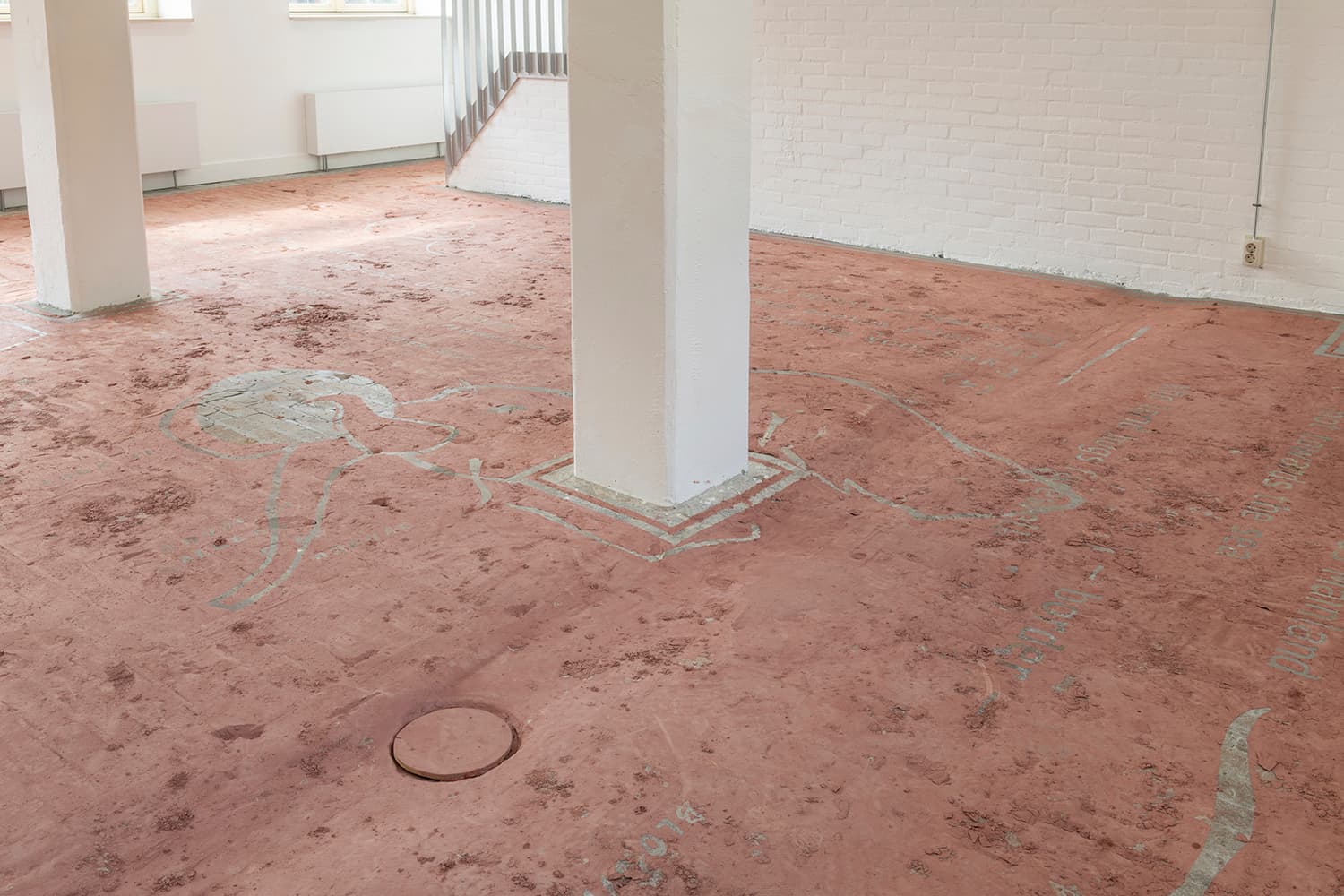
Nine Acts Over Ailing Bay, a choreographical score written through an ouija session by Valentina Jager for The Brain Mixologist. Curated by Eva Posas 2021. Photo by LNDWstudio
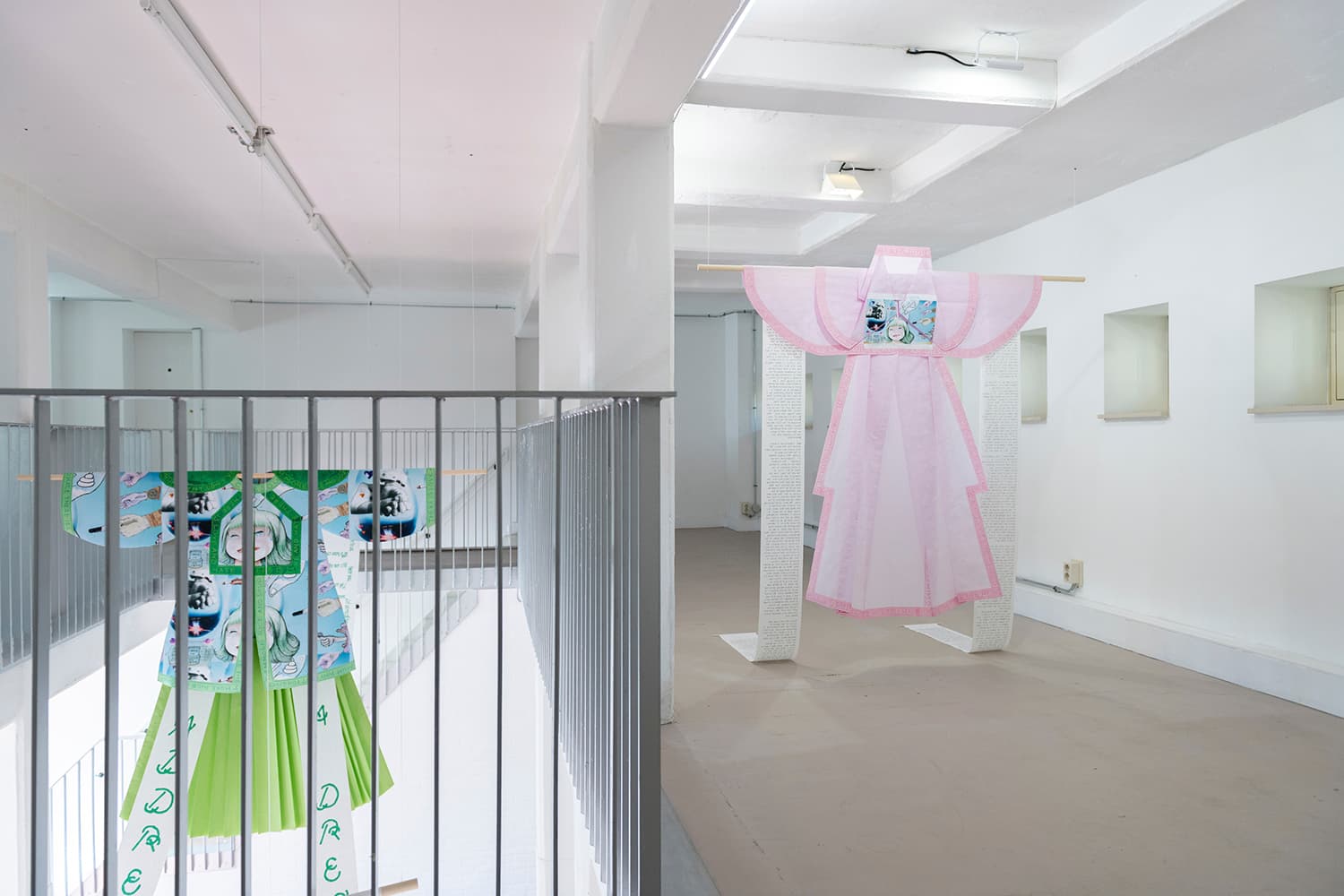
Dear Ursula, paper garments as ghost money for the ancestors, by Amy Suo Wu for The Brain Mixologist. Curated by Eva Posas2021. Photo by LNDWstudios

Tidal Gatherings, If I Can't Dance, 2024. Photo by Prins de Vos.
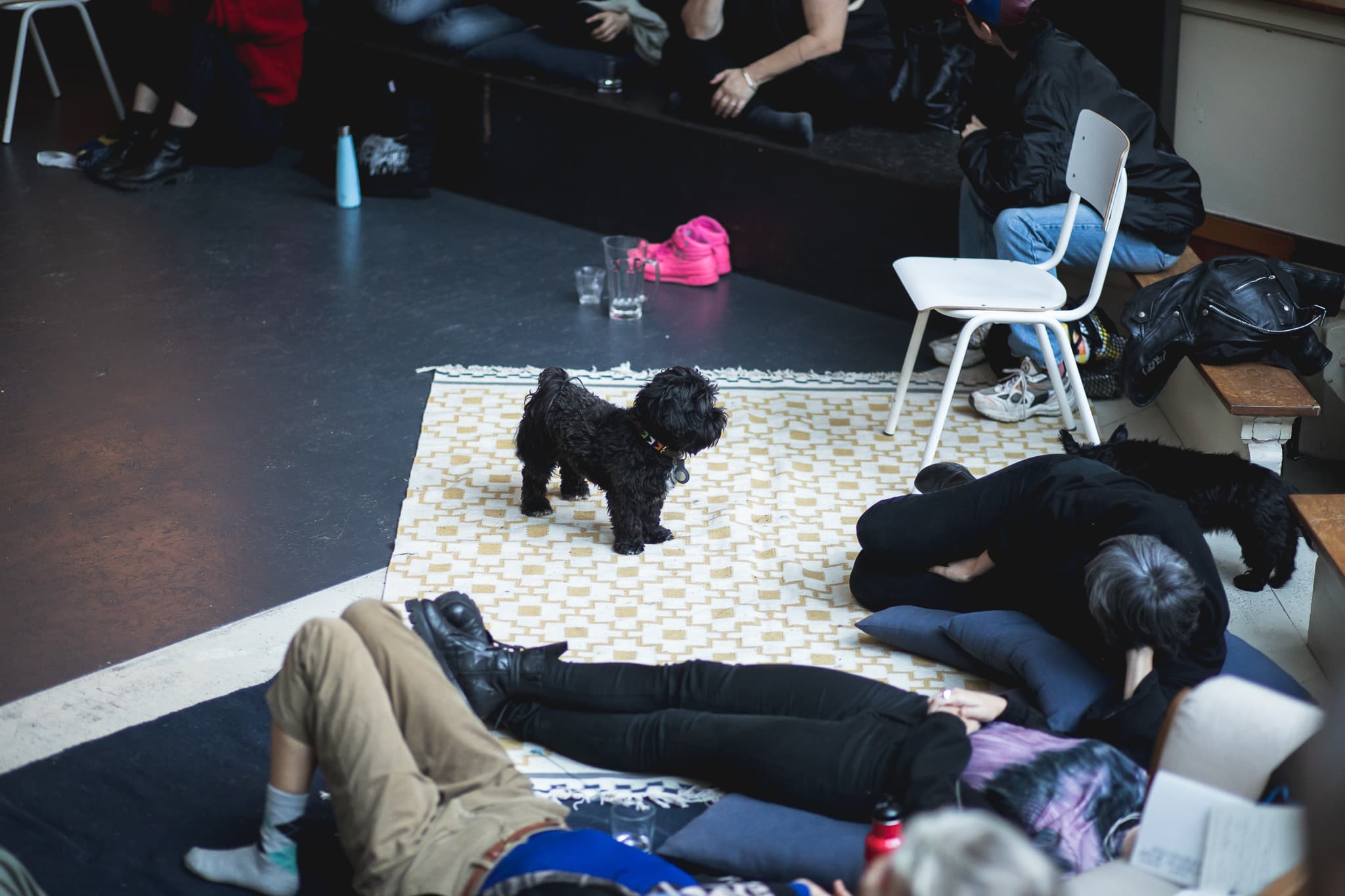
Tidal Gatherings, If I Can't Dance, 2024. Photo by Prins de Vos.
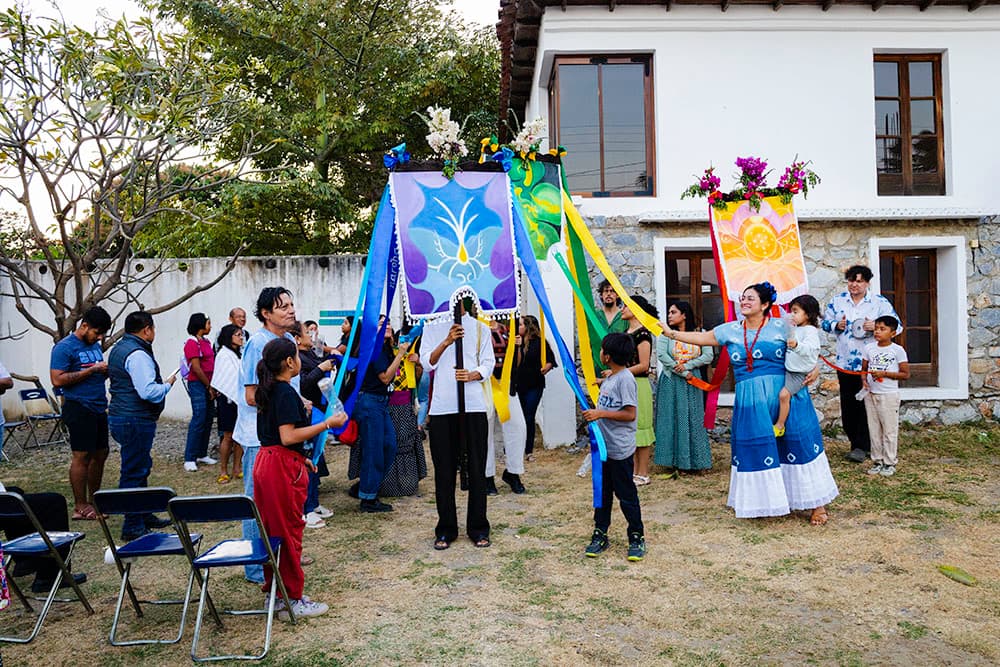
Procession, a performatical activation of Guendabiaani’. Diego Matus for Xigagueta, 2025. Photo by Juana Pola.
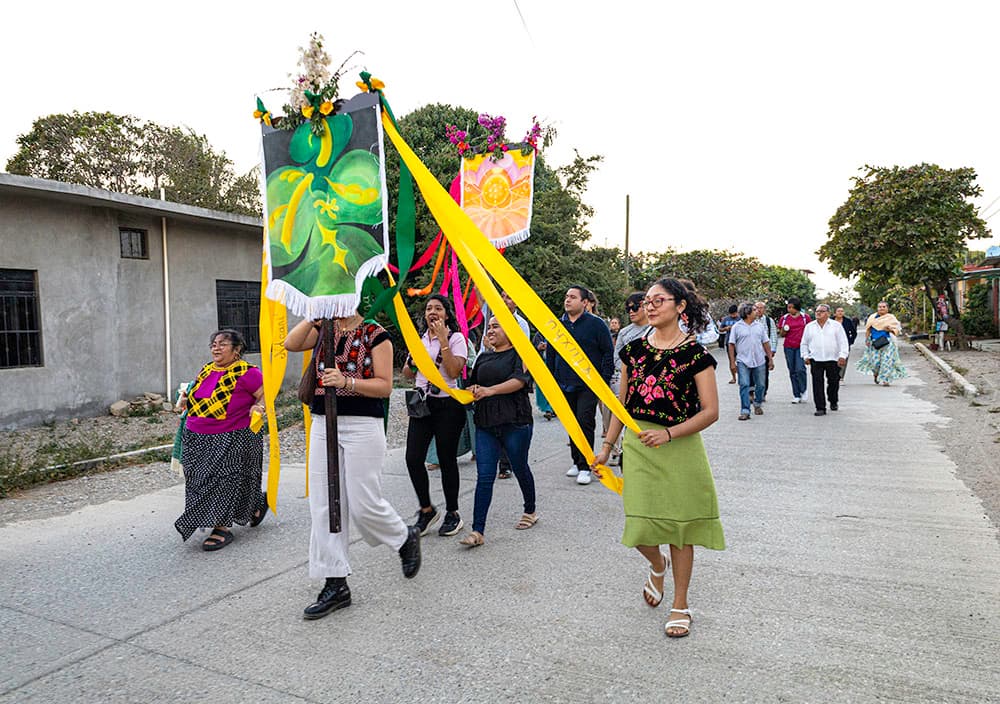
Procession, a performatical activation of Guendabiaani'. Diego Matus for Xigagueta, 2025. Photo by Juana Pola.
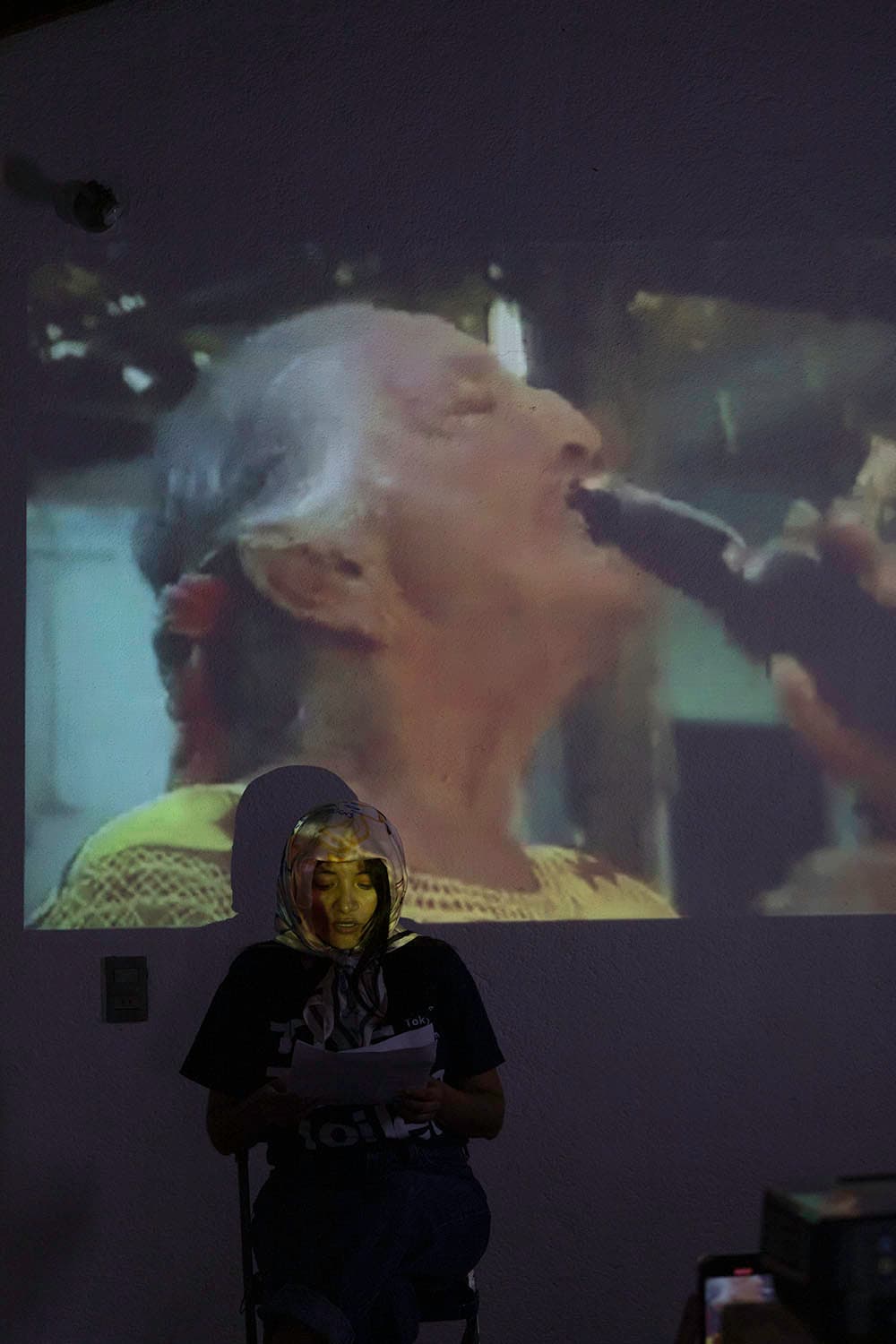
Bagayaa, Reading Performance. Paulina Amador for Xigagueta, 2025. Photo by Juana Pola.
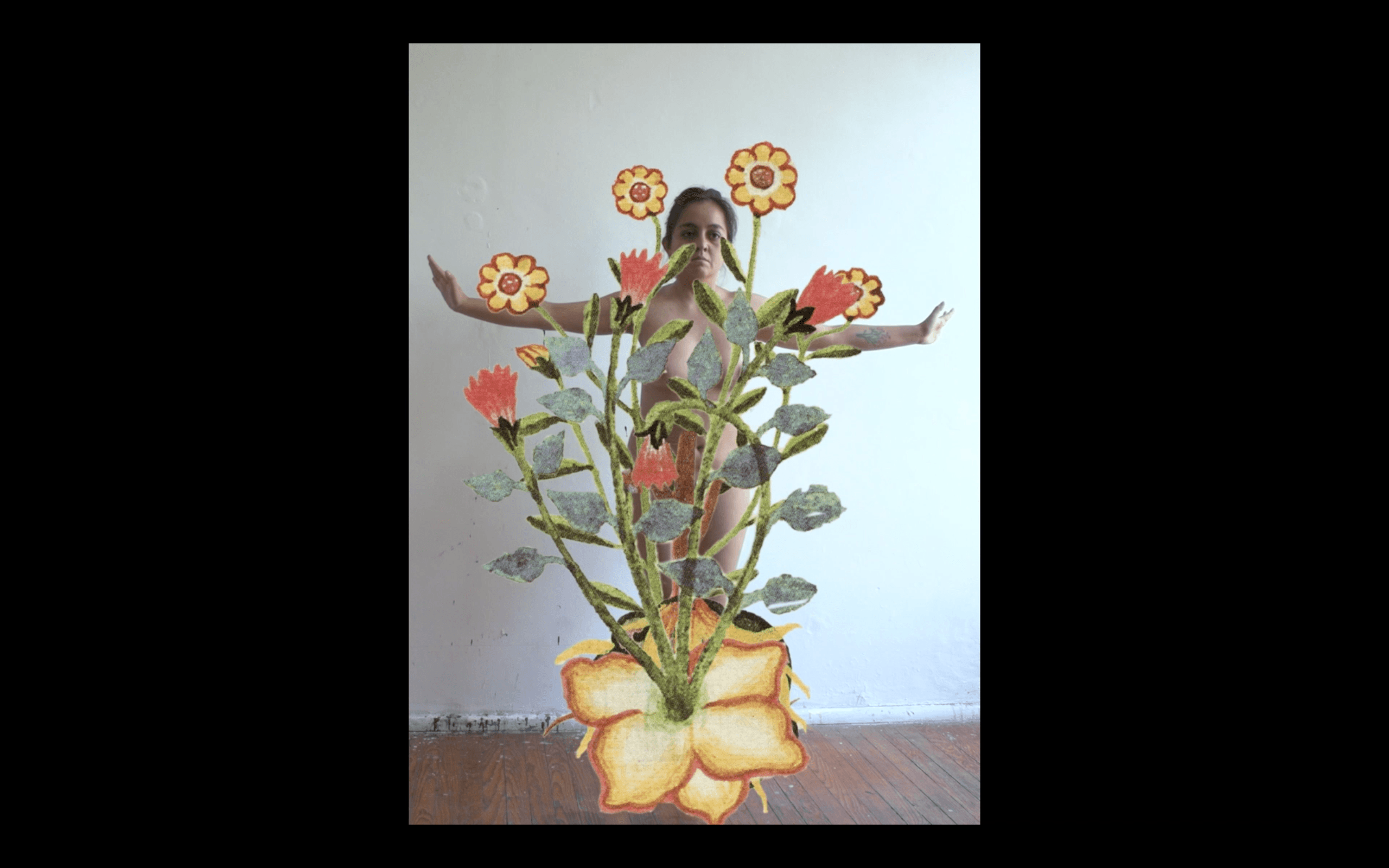
Ejercicio de curación 1. Formas de estar en el mundo, performance of prehispanic objects and healing plants. María Sosa, 2021.
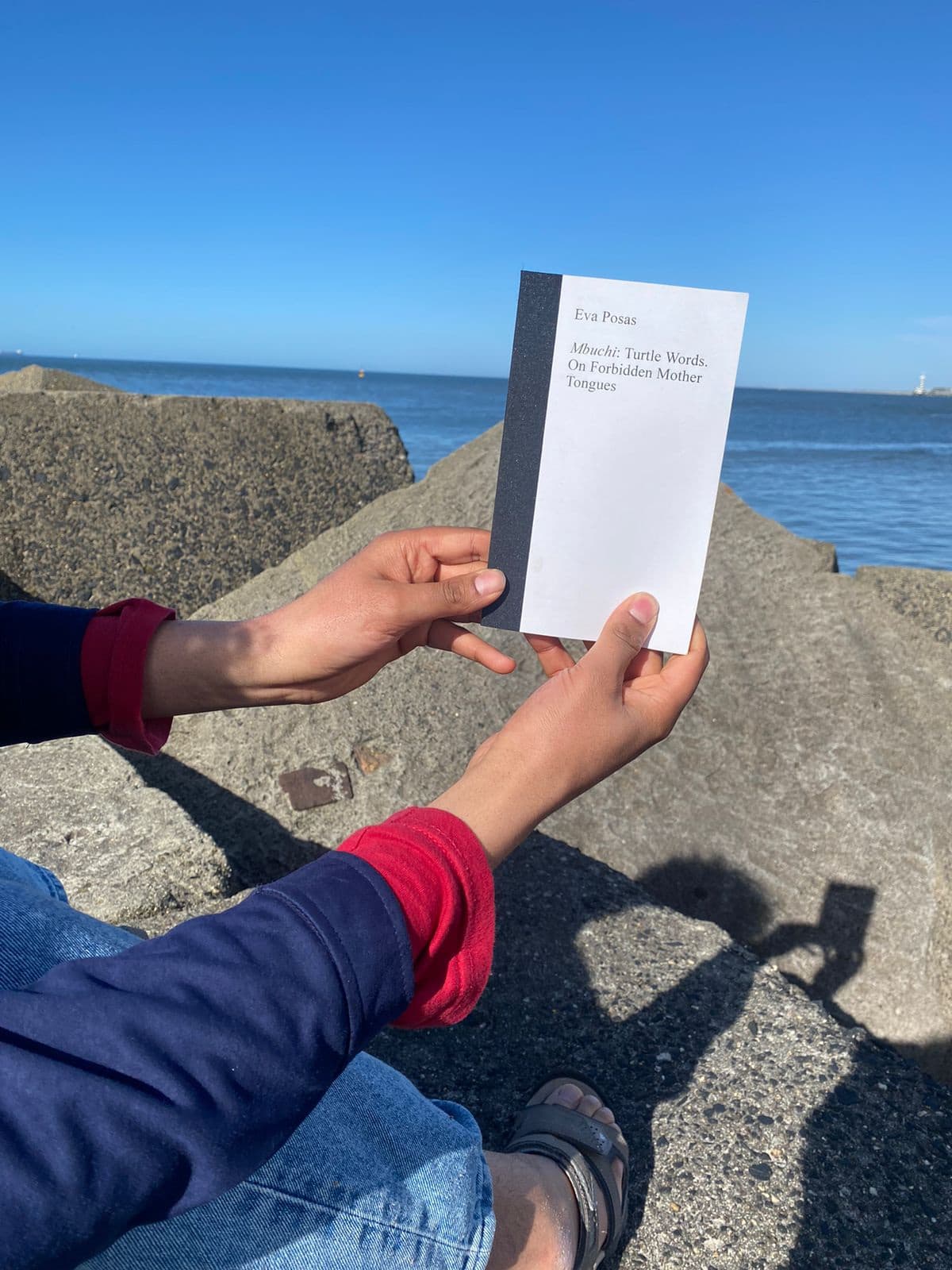
Mbuchi: Turtle Words. Written by Eva Posas, 2024. Photo by Zahra Malkani.
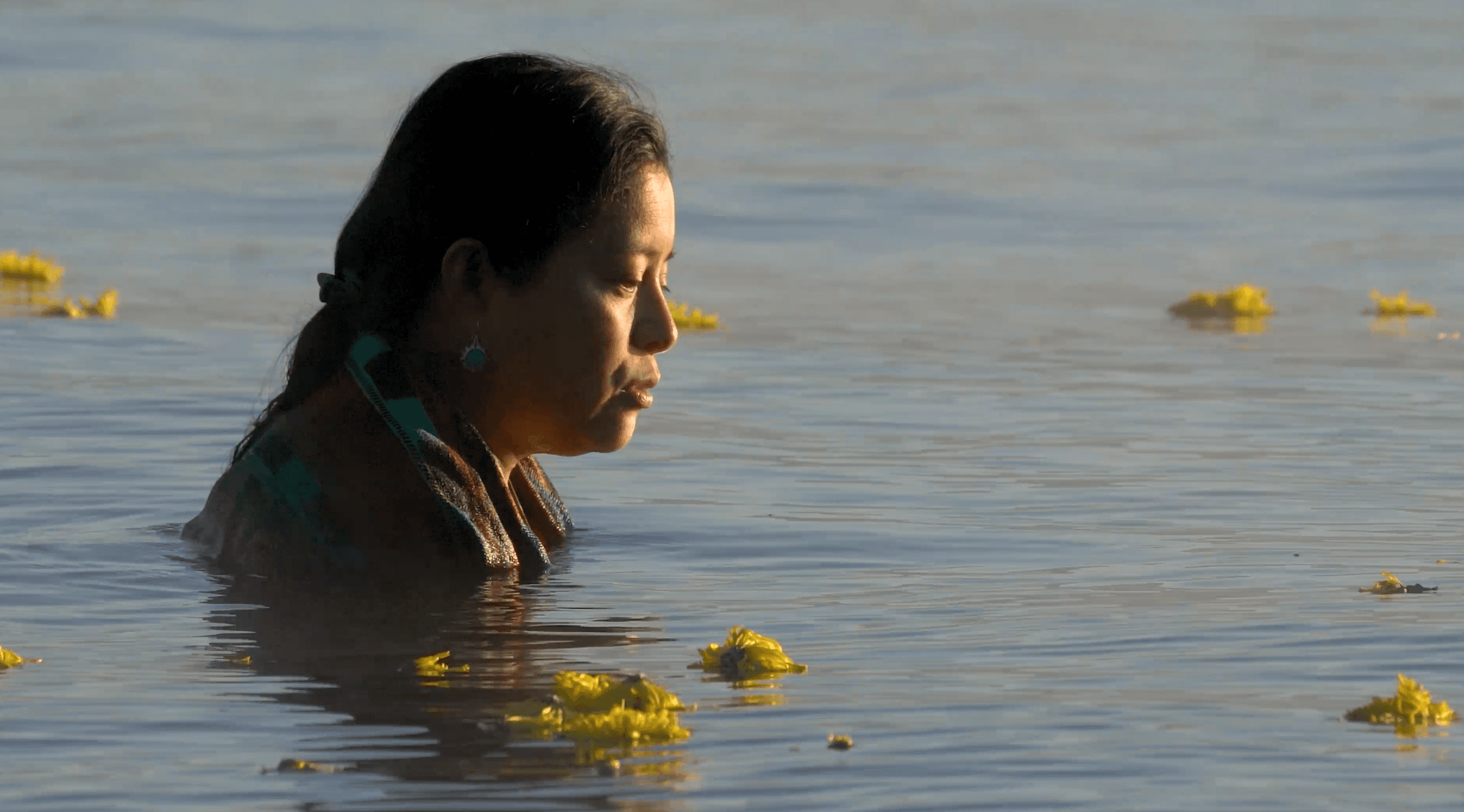
Qatee Ya’, Whisper performance to the Grandmother Lake. Cheen Cortés as Tz'aqat, 2024. Registration by Tz'aqat
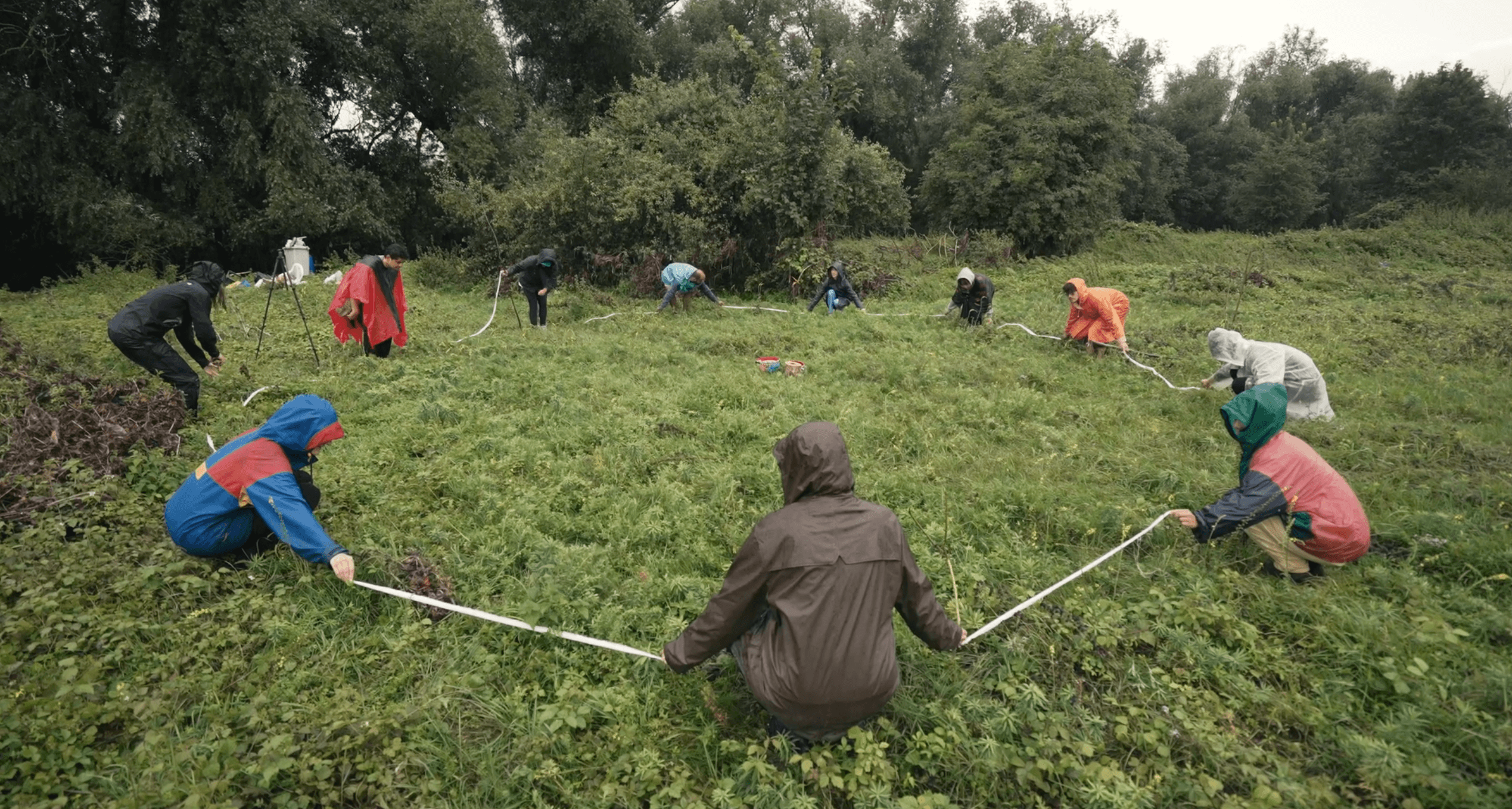
Rituals for the new moon. Aliki van der Kruis & Aldo Ramos, 2021. Registration by Savas Boyraz
Ejercicio de curación 1. Formas de estar en el mundo, performance of prehispanic objects and healing plants by María Sosa for The Brain Mixologist. Curated by Eva Posas 2021. Photo by LNDWstudio
Individual and Collective Work
The programme is thought to support students in their own research and artistic processes with a core group of tutors and guest lecturers from across diverse disciplines, practices and fields of knowledge. Each participant will bring a research question that resonates with the programme. This question or concern will be developed during the two years nurturing a seed that ideally will continue beyond the programme's duration.
During this programme, we will alternate between individual and group work, recognising that there are no singular paths without a multitude of perspectives, and vice versa. Participants will explore various methodologies relevant to their own practices and research, as well as engage in collective organising and thinking, leading to two public events, one at the end of each year.
Application Process
If you are interested in applying to Phantom Scores, please visit the apply page. Applications are open from 6 January until 1 April 2025.
It is a formal requirement that all applicants have a bachelor's degree (BA) and/or equivalent educational / work/life experience(s) that resonates with the temporary programme's focus.
Prospective participants will be considered in relation to their research question or project in dialogue with the program themes, relevant lived experiences and practices embedded in their specific contexts.
Should you have questions about the course, please contact: phantom.scores@sandberg.nl
Open Day 2026 – Phantom Scores (New Temporary Programme)
Course Structure
The Phantom Scores programme will run from September 2026 until July 2028. At the end of each scholarly year, we will come together on two moments of making public, collectively expanding the notions of performance and publishing. As mentioned before, each participant will bring a research question that resonates with the programme to be developed during the two years.
The course is structured around four main Research Accents distributed within the two academic years, it contemplates a public engagement and a cadenced structure where we expect full time participation of students for three days a week.
First Year
Research Accents
1. Political Bodies
2. Phantom Memories
Making Public I
Second Year
Research Accents
3. Vocabularies of Touch
4. Public Tongues
Making Public II
Making Public
These events will allow participants to share their work in a collaborative format, such as radio, publications, exhibitions or public programmes, that will be defined in collaboration with the If I Can’t Dance team during the course each academic year. These two public moments will reflect the personal research each participant has been developing and collective learning, leading up to their thesis or final evaluation. Those two public moments will be part of the If I Can’t Dance programme under their current Field of Inquiry, Body as Memory, which addresses questions of embodied knowledge, existing and transferred between bodies, both human and non-human, between the past, present and future.
Collaboration among participants will be a key theme during these publishing events at the end of each academic year. Additionally, the third and fourth semesters will focus more on personal projects as participants prepare for graduation.
Weekly structure
For the entire Phantoms Scores programme, we will find a foothold in a clear weekly structure of three days of presence with three different axes: Encounter, Tools, and Collective Learning. The modules create a flow between ways of feeling, thinking, sensing, moving, making, reading and writing through feedback sessions, seminars, lectures, workshops, zooms, and site visits, while leaving room for intuition and improvisation.
Encounter is led by the If I Can’t Dance team and is the axis centred on the participant’s personal work and their individual projects by focusing on presentations and feedback sessions.
Tools is the axis for getting to know, relate and converse with the work and methods of guest practitioners, artists, performers, thinkers; anyone that is invited to the programme to share their crafts, skills, practices and knowledge. Tools offers a mix of workshops, seminars and guest presentations.
Collective Learning focuses on the specific research accent of the semester, in a collaborative setting. Led by a tutor and partly self-organised by the participants, this axis is a place to experiment with practice-based research, it is also the space to propose and accommodate spontaneous wishes and put into practice interdependent learning.
The core team of tutors will be present at least once every week to create a trusted atmosphere and to secure continuity in individual development of the participants, and for the ongoing collective research and conversation in and around phantom scores.
We conceived this structure with spaces and rhythms that guide us while remaining flexible to the needs that arise throughout the programme. Participants are encouraged to suggest guests and activities that they believe would be valuable for our programme, as well as bringing their own knowledge and resources as a ground for collective sharing and learning. We expect participants to engage full-time with the programme, attending three days a week.
.jpg&w=3840&q=75)