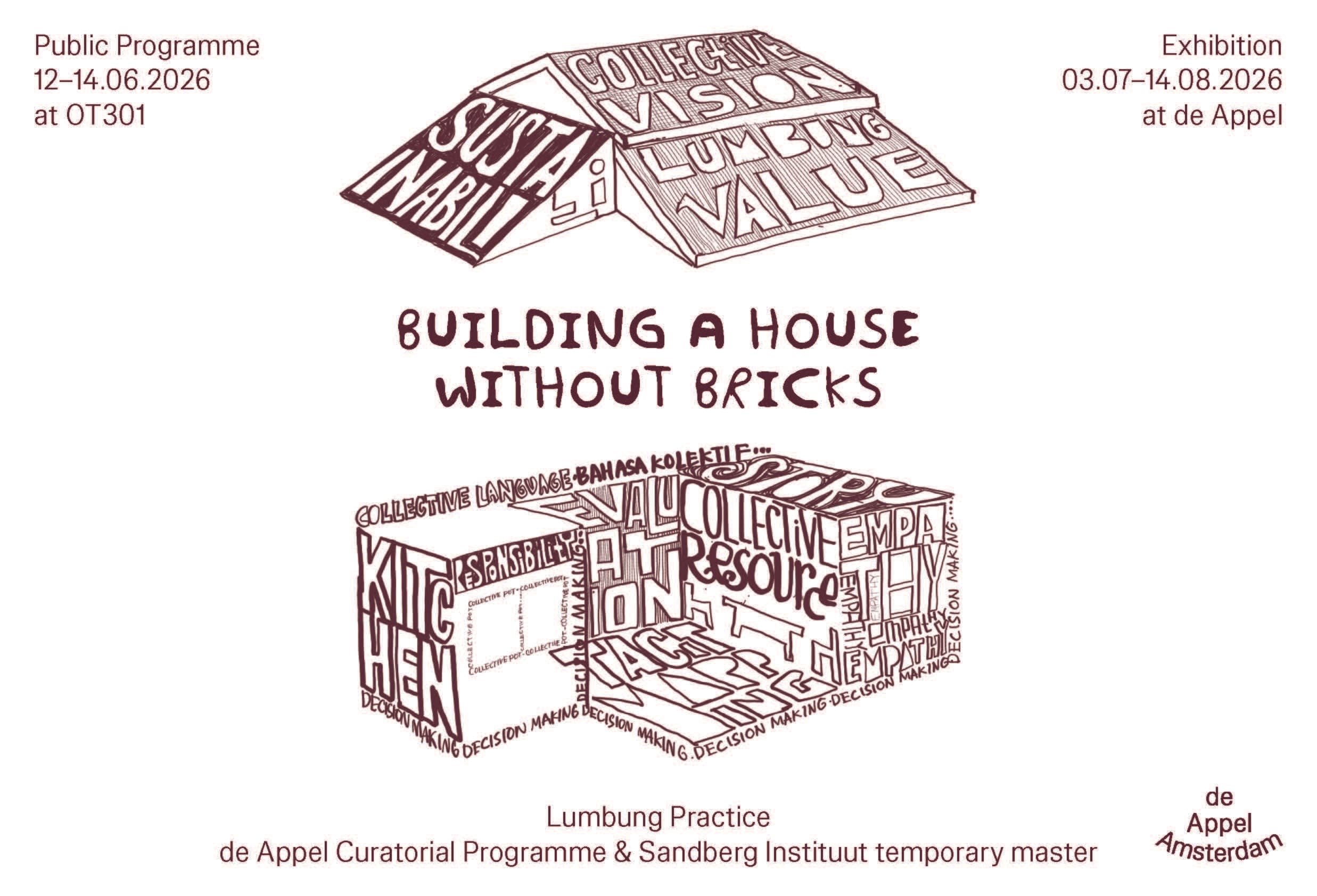
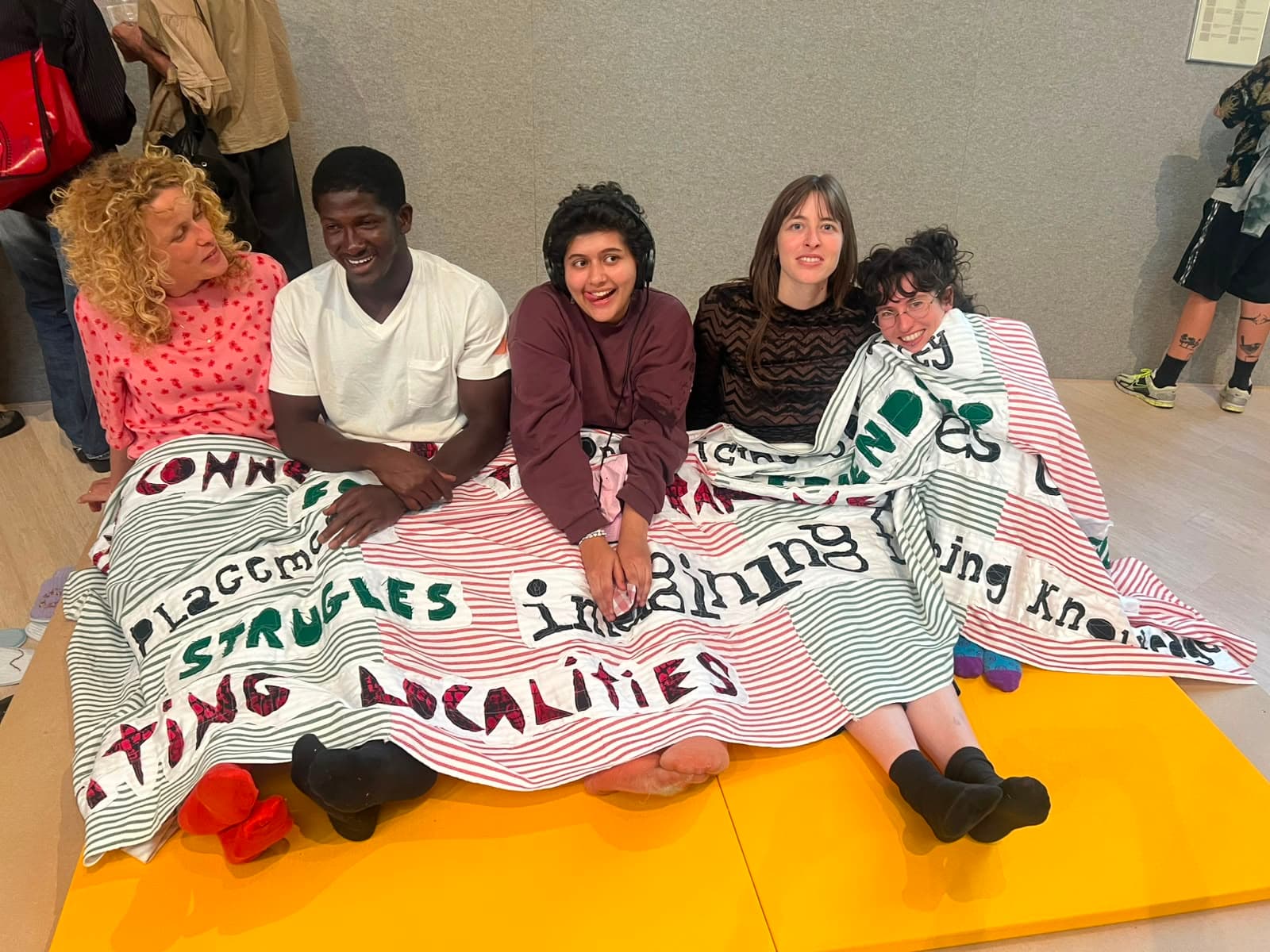
Temporary department
Lumbung Practice
The temporary master's in Lumbung Practice (2024–2026) builds on the gained knowledge and experimentations in lumbung-documenta fifteen. The master is open to individuals working in a collective, a community or in other forms of the commons. Participating collectives will practice and learn about lumbung, self-organisation, and sociopolitical artistic and curatorial practice, as well as producing alternative art institutions and economies for the future. The master's is a collaboration between Sandberg Instituut, De Appel (Curatorial Programme), and Gudskul (Collective Study Program).
About
The failures of neoliberal society are clearly manifesting themselves, compelling the art scene into practicing paradigms of growth, competition, and extraction. We must find artistic and economic ways of being and working that are anchored inter-locally and within communities, and that are based on values such as sharing, regeneration, humor, independence, and sufficiency.
Lumbung is a rural pre-colonial practice where the village stores the surplus of the harvest for the future wellbeing of the community. It is where the surplus is collectively governed and celebrated. Art and life are not separated in the lumbung. Lumbung was the starting point for the artistic and curatorial practice in documenta fifteen, where a practice from the experiences with lumbung in Indonesia was built, as well as other collective practices around the world, such as Maaya (Mali), Agraw (Morocco), Buen vivir (Latin-America), Kalaka (Hungary) and De Meent (The Netherlands). Through ruangrupa’s practice and other documenta fifteen collective practices it has come to mean more than that: a collective of collectives, a set of self-organised practices, a discourse about art, and an aesthetic quality.
In this two year master's programme, we build on the knowledge gained in the first lumbung from 2020 to 2022 (documenta fifteen) to extend this journey of artistic and economic experimentation to others. We work with artists’ collectives whose practice is embedded in sociopolitical movements, and whose art is an extension of their communal lives.
Participants in this master’s are members of artistic, curatorial, activist, socially oriented, and interdisciplinary collectives or other collaborative platforms. We also welcome people that have worked in a collective mode in the past, and are wanting to continue their collaborative practice. The questions around and of the collectives or the communities they are working within will be tackled during the master's.
During the programme, the participants and their collectives will build a lumbung together that will connect to the cosmology of lumbungs that already exist (interlocal, Indonesia, Kassel, and others). They will participate in existing lumbung working groups such as Lumbung Land, Lumbung Gallery, lumbung.space, Lumbung Kios and Lumbung Press. They will also start their own working groups to build collective structures that reinforce their local work.
On a theoretical level, the programme contributes to the further study of cosmologies of diverse commoning approaches and their application in contemporary artistic practice. Participants will also learn about and experiment with how commons-based approaches like lumbung can operate next to a market economy, and how to “transvest” value from the market to the commons and specifically the tensions this caused in the political, institutional, and media realm during documenta fifteen. With a strong emphasis on a variety of hosting and harvesting skills, participants will acquire the mindset and skills to operate in a collective lumbung art practice and economy.
Lumbung Practice is developed and hosted by Lara Khaldi and Gertrude Flentge (both members of artistic team documenta fifteen) in close collaboration with Gudskul and lumbung artists and collectives. The majority of tutors come from the lumbung ecosystem.
The programme is a partnership between Sandberg Instituut, De Appel (Curatorial Programme), and Gudskul (Collective Study Programme). The participants of the programmes work in close collaboration with each other, and organise a harvest festival (exhibition, public programme, screenings, etc.) at the end of each academic year. The seminars and working group workshops take place at Sandberg Instituut, De Appel, and other Netherlands-based initiatives. In addition participants will travel to each others’ localities to learn about contexts and create relationships among other members of the collectives and ecosystems (dependent on further funding).
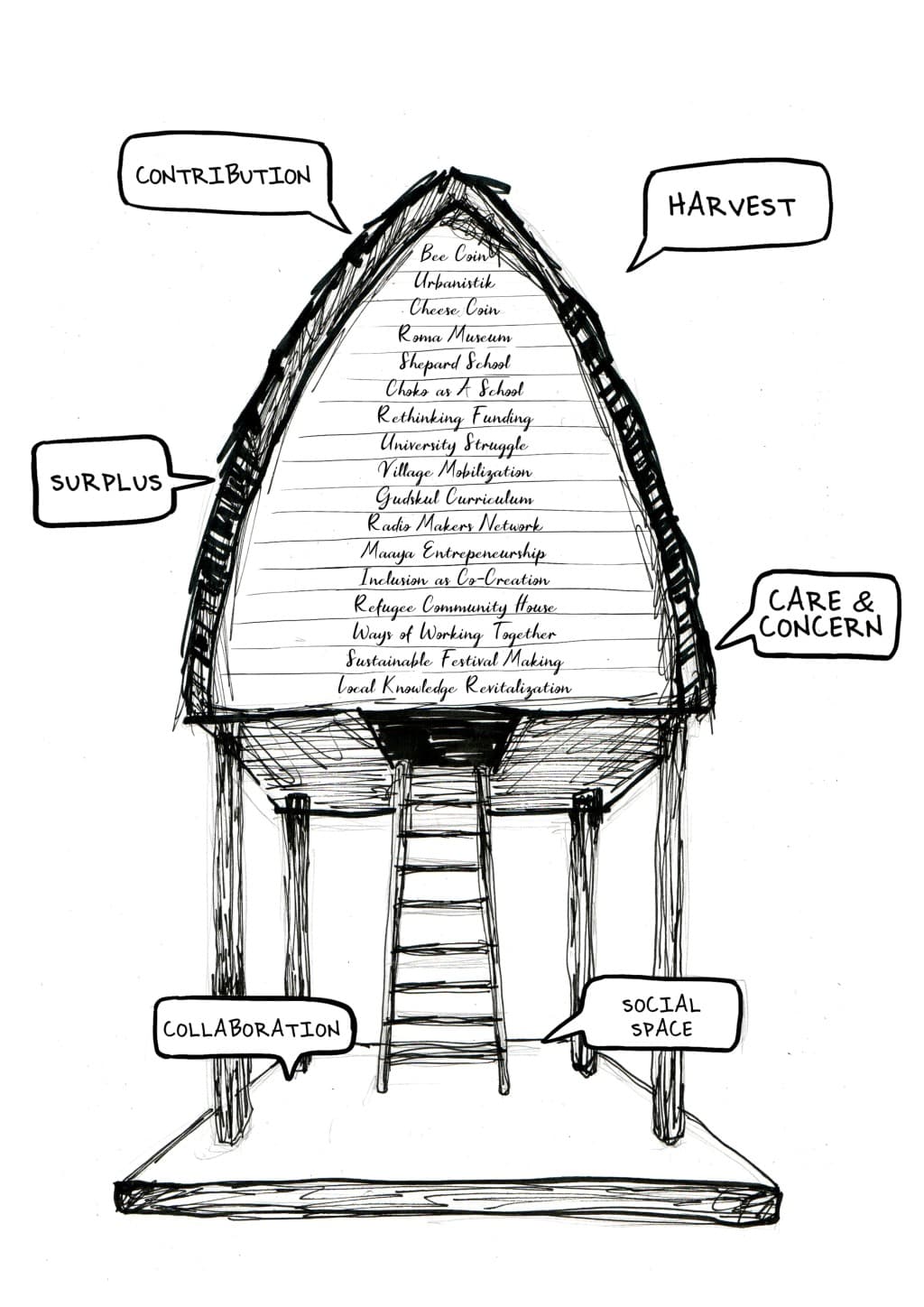
Lumbung Practice, by Daniela Praptono, 2023.
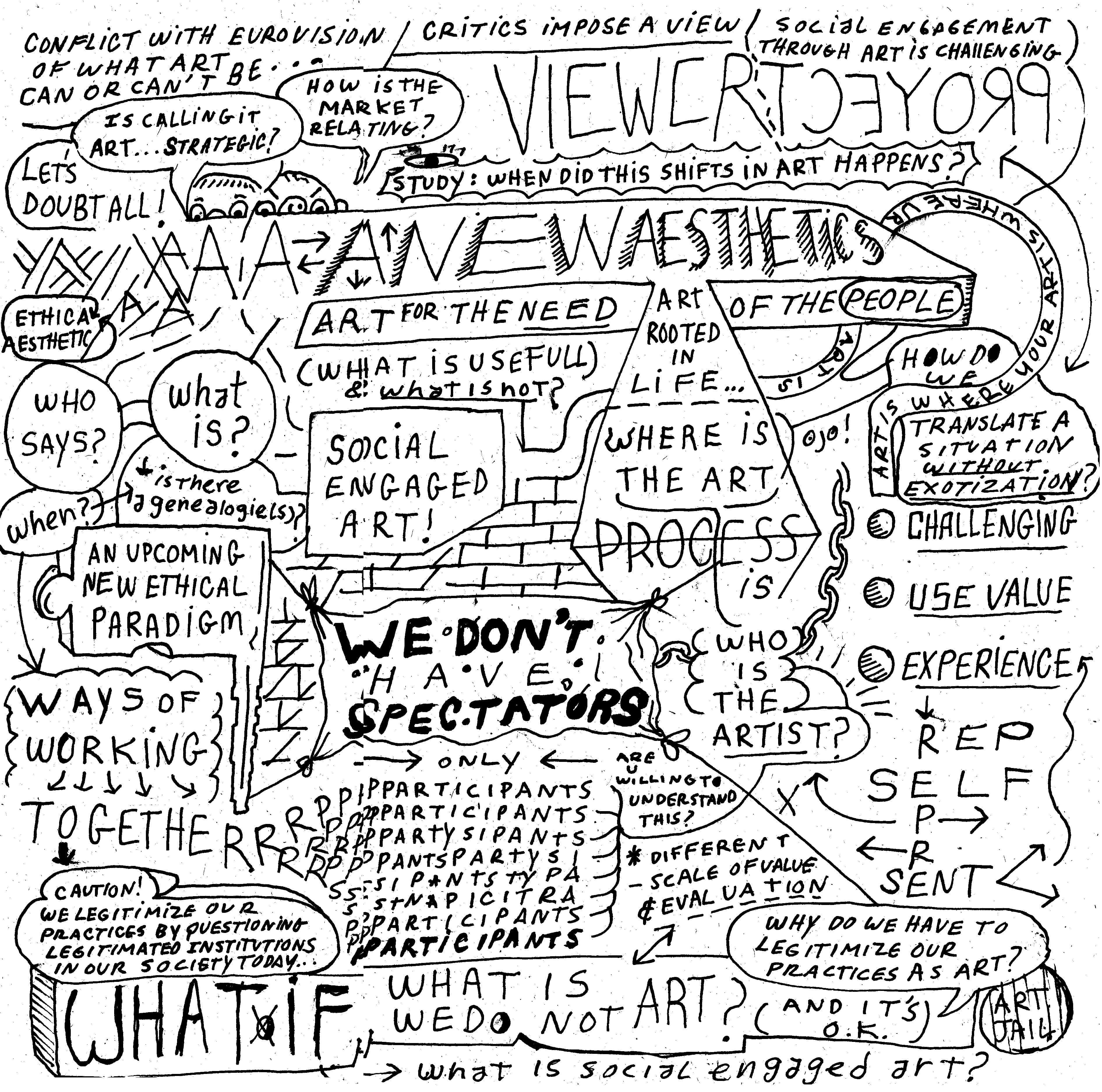
By Jazael Olguinzapata.
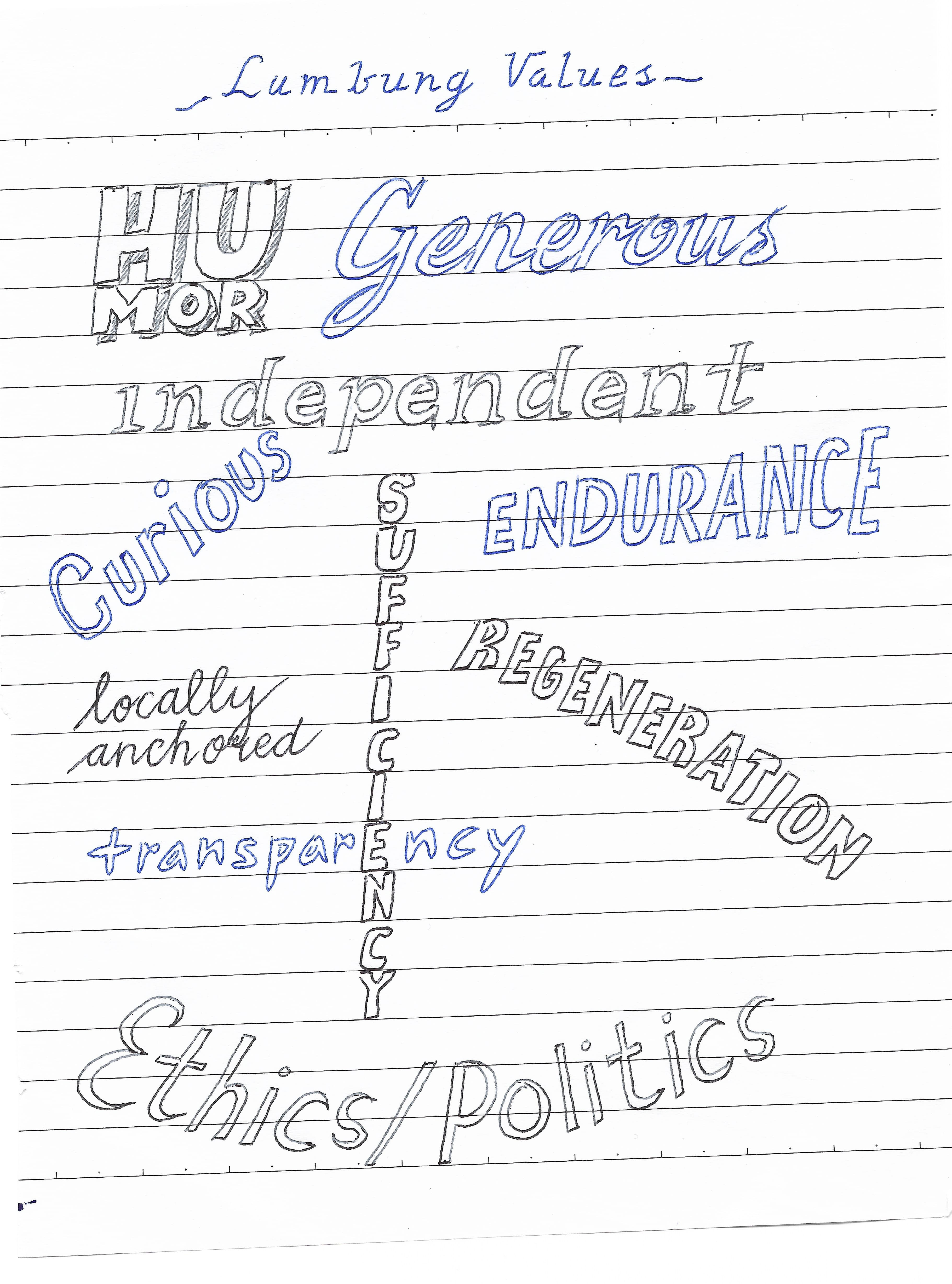
By Indra Ameng
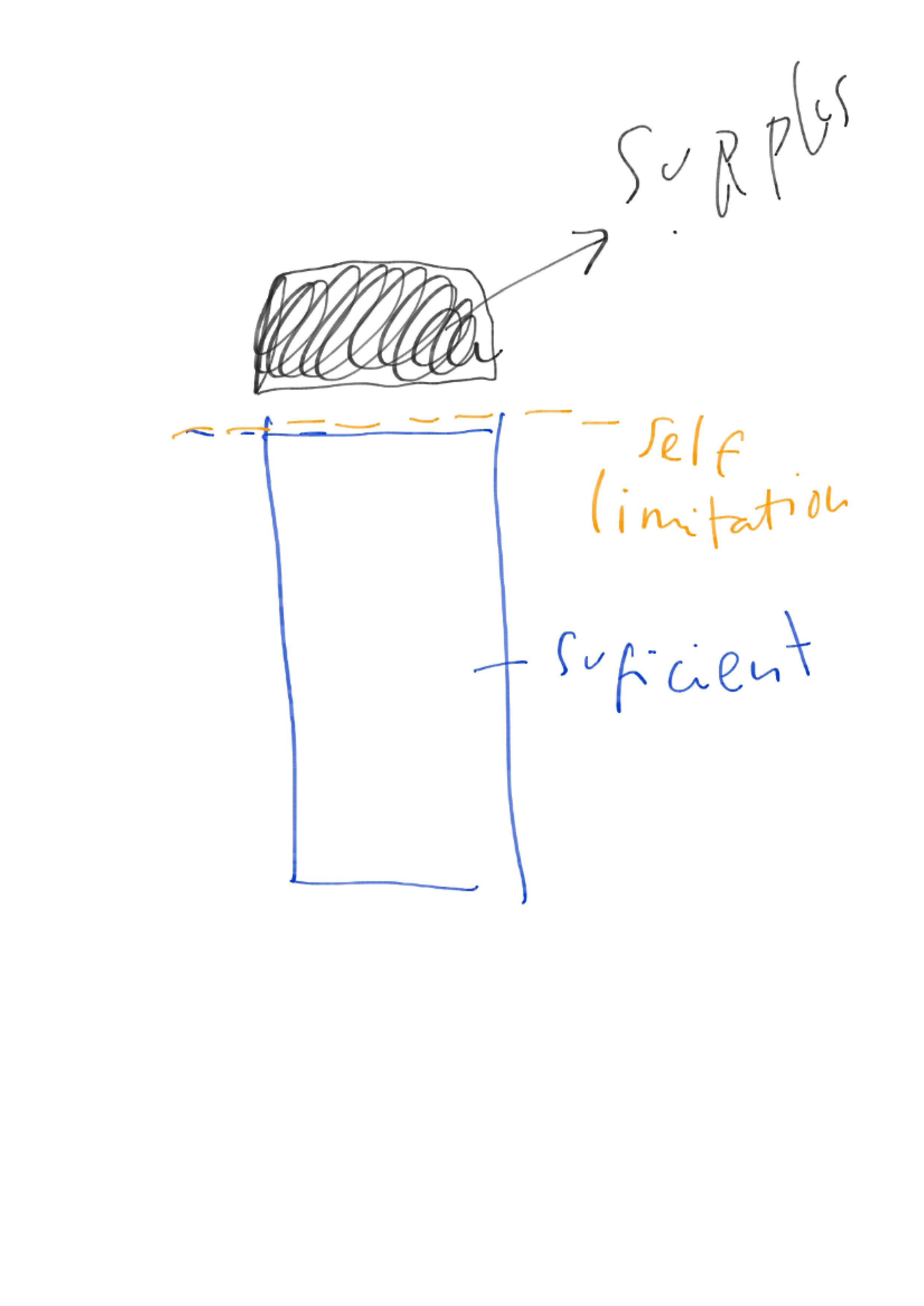
By Abe Darmawan
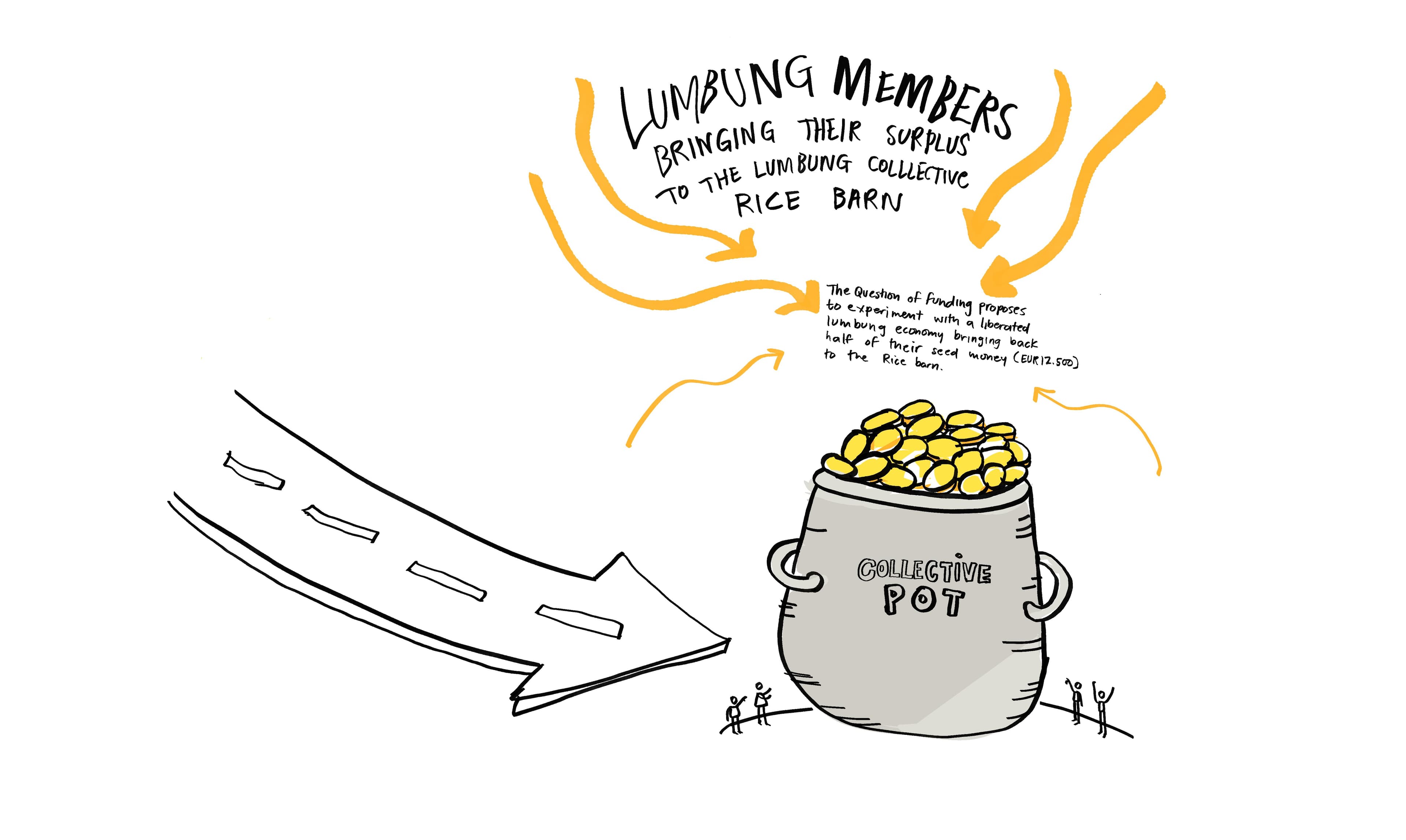
By Abdul Dube

By Safdar Ahmed.
Team
- Hosts of the master: Lara Khaldi and Gertrude Flentge
- Yazan Khalili/Question of funding
Ezster Szakacs/ OFF Biennale - Reza Afisina/Iswanto Hartono/ruangrupa
- Aline Hernandez/Marianna Takou/Arts Collaboratory-Casco
- Natasha Hulst/Voedselpark Amsterdam
- Lara Khaldi/ artistic team documenta fifteen/De Appel
- Gertrude Flentge/artistic team documenta fifteen/Arts Collaboratory-DOEN Foundation
- Other lecturers and visiting artists (tbc): Ook_Space, Black Archives, David Bollier, Melanie Budianta, Jatiwangi Art Factory, Tania Bruguera, MADEYOULOOK, Subversive Film, Serigrafistas Queer, Festival sur le Niger, Project Art Works, Sourabh Padke, Wajukuu, Inland and more.
Course Structure
The core of the programme is the forming of a long lasting inter-local net of solidarity among the young participating collectives. Each collective will bring their questions, knowledge and resources as a basis for collective learning. These will be shared in regular majelis (assemblies) and through the working groups that participants will develop based on their shared interests.
The collectives (about 10) that participate through Sandberg Instituut and De Appel will follow the same trajectory in the first year. The collectives that participate through Gudskul will follow their own trajectory in the Gudskul collective study programme. However, there will be regular online gatherings, residencies and bi-weekly shared lectures with all. The lectures will be public and can be streamed in each locality of the participating collectives.
A collective of core tutors (see below) will host and support the participants. Next to that, specific workshops and seminars will be given by visiting artists, economists, activists and thinkers from the lumbung or other other realms. Participants can also invite people from their own ecosystems for this.
We expect full time participation for three days a week. Two days will be dedicated to workshops, lectures, majelis, 1 day for visits to organisations in the Netherlands that work in the commons, as well as to working groups.
The thesis for this master is the (artistic) harvest contribution that each participant will make, which will be published in the final publication and harvest festival in the second year.
Semester 1
Dedicated to getting to know each other, building trust, and finding shared interests.
The trajectory of lumbung/documenta fifteen will be studied, with a focus on the topics of lumbung economy, cosmologies of the lumbung and other commoning practices, aesthetic of the commons , hosting and harvesting, funding, as well as learning about and from the working groups of lumbung land, lumbung press, lumbung.space and lumbung economy. These will be studied with artists and members of the lumbung.
Participants will choose a harvesting topic to focus on during year 1.
Semester 2
The study started in the first semester will continue and participants will start their own working groups. In March/April each collective will go into residency with one other collective in the Lumbung Practice to get a sense of the local context, ecosystem and to work together on the issues relevant to both collectives (this is dependent on further fundraising).
This will be followed by a longer majelis with all the participants where everyone brings the harvested knowledge to the entire group.
The semester will end with a semi-public harvest festival where the artistic harvests of the first year will be shared with a wider public through a public program.
Semester 3
In this semester the focus will be on the work in the working groups and majelises. Lecturers will be invited based on the needs of the working groups and the majelis.
Participants decide whether they continue on the same harvest topic or will start a new one. At the end of this semester the harvest-thesis will be delivered.
Semester 4
Continuation of working groups and majelis.
Participants will work towards a final public harvest festival in Amsterdam and Jakarta including exhibitions, performances, workshops, talks and more.
Current participants
Tutorial Collective
Class of 2026
DamDam
Class of 2026
United Fried Front
Class of 2026
We Sell Reality
Class of 2026
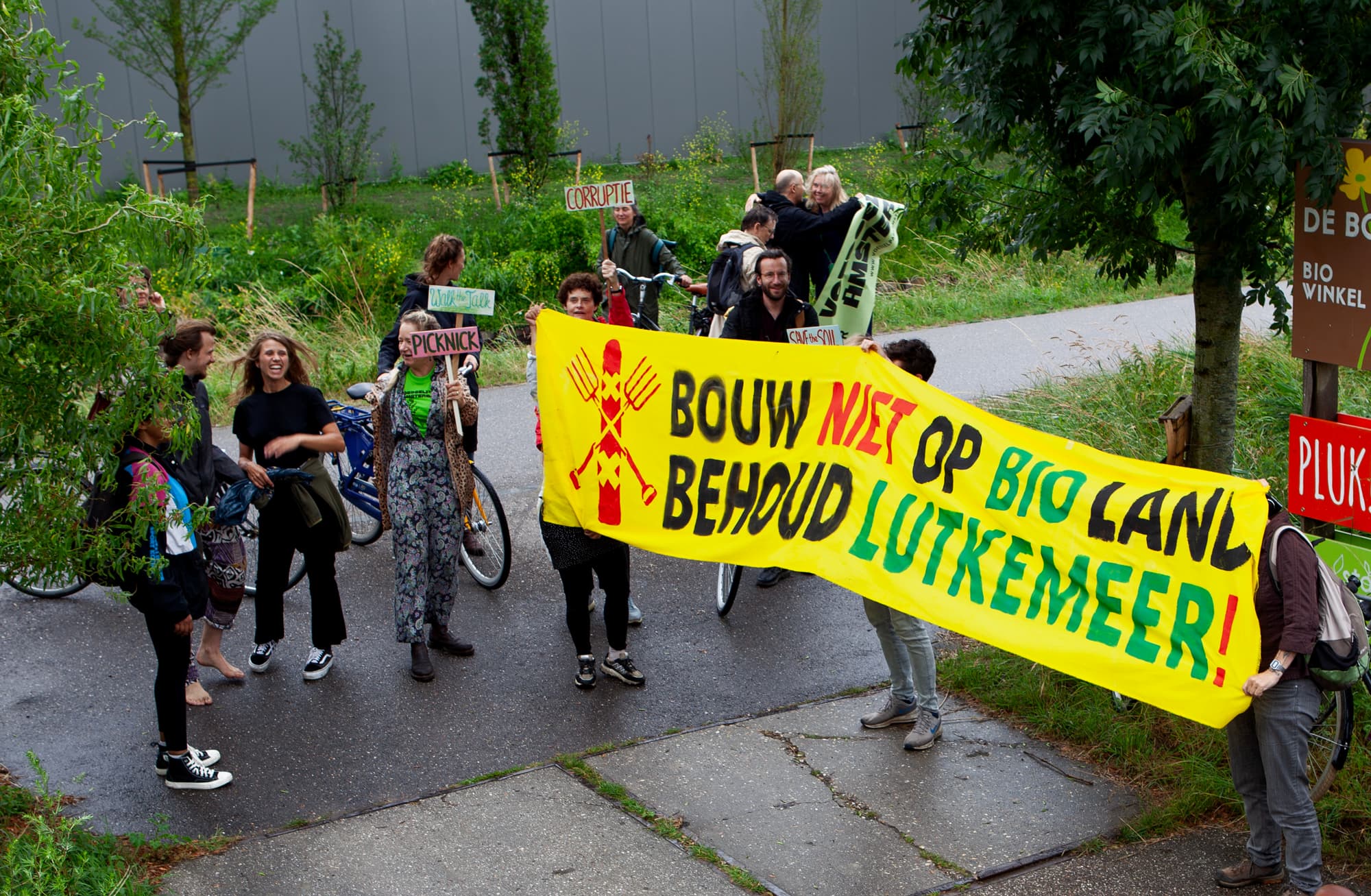
Voedselpark Amsterdam
Class of 2026
Typography
Class of 2026
Serrum/Gudskul
Class of 2026
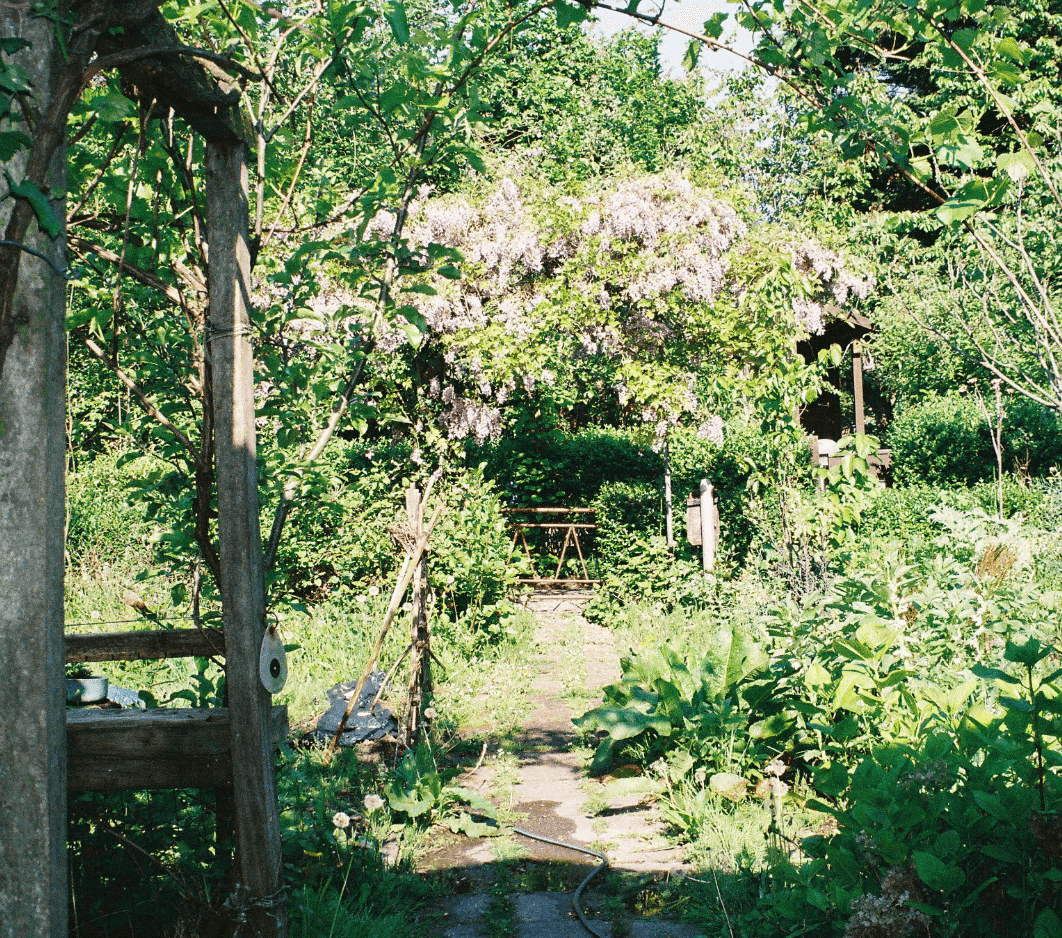
spin collective
Class of 2026
Sixpack
Class of 2026
millemains
Class of 2026
Khamoosh - Soundcamp - RE-PEAT
Class of 2026
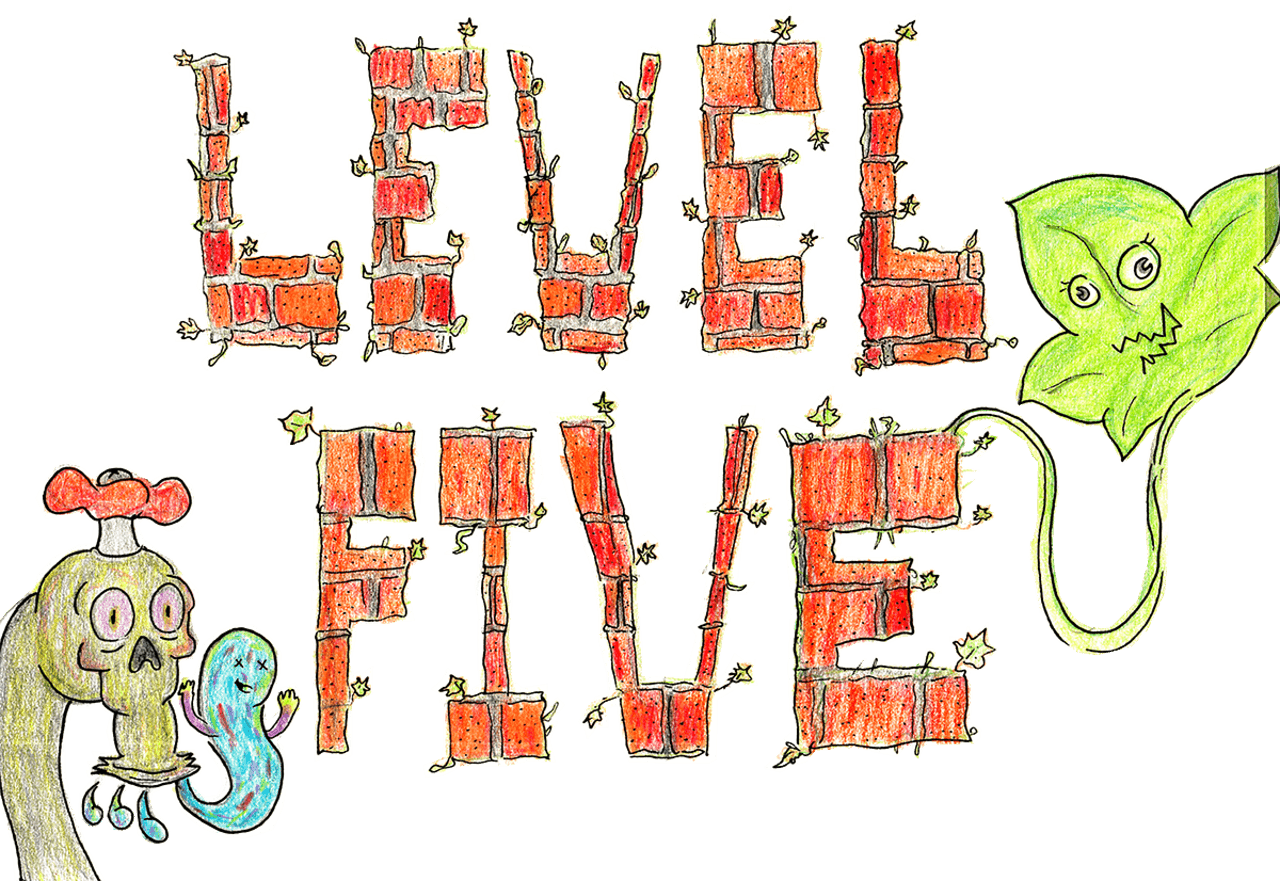
Level Five - Artist Cooperative Brussels
Class of 2026
Biquini Wax
Class of 2026
Danger Gevaar Ingozi Studio
Class of 2026
dash
Class of 2026